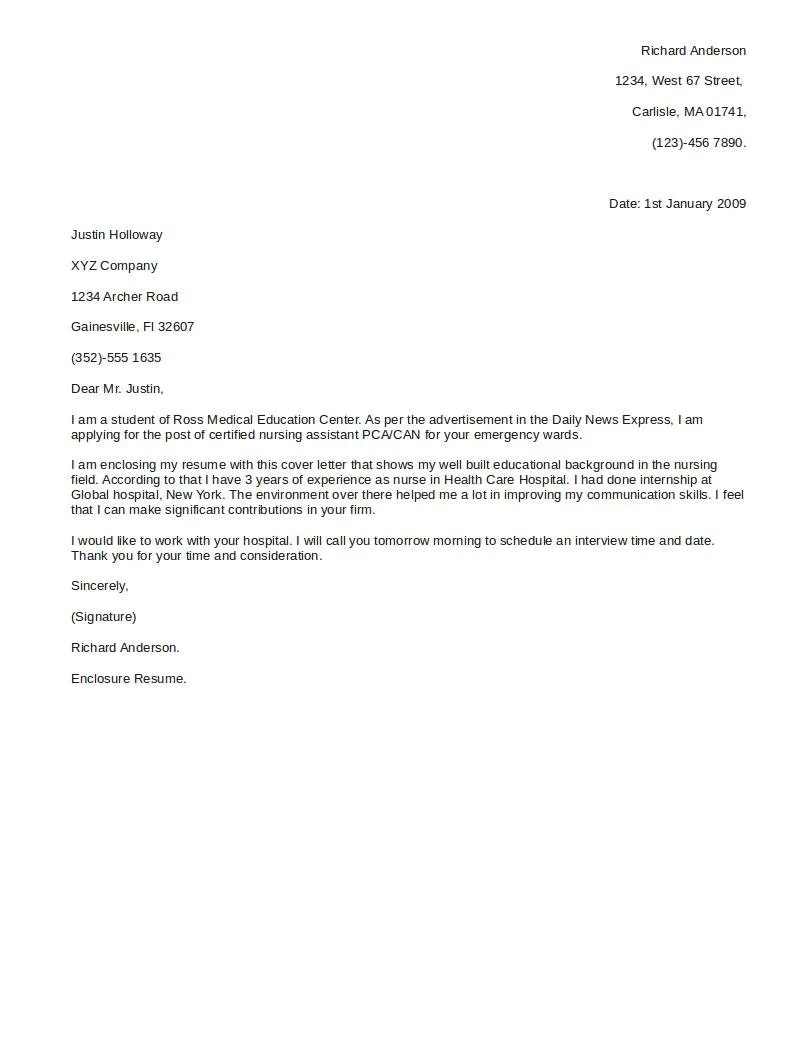
Crafting the Best Cover Letter
A cover letter is a crucial part of any job application, serving as your introduction to a potential employer. It’s your chance to make a strong first impression and highlight why you’re the perfect fit for the role. Many job seekers often underestimate the power of a well-crafted cover letter, focusing solely on their resume. However, a compelling cover letter can significantly increase your chances of landing an interview. This article will guide you through ten essential tips to craft a cover letter that grabs the attention of hiring managers and sets you apart from the competition. Remember, a great cover letter isn’t just a summary of your resume; it’s a persuasive narrative that showcases your personality, enthusiasm, and unique qualifications. Mastering the art of cover letter writing can be a game-changer in your job search, opening doors to opportunities you might have otherwise missed.
Understand the Purpose of a Cover Letter
Before diving into the ‘how,’ it’s essential to understand the ‘why’ behind a cover letter. The primary purpose of a cover letter is to introduce yourself, express your interest in a specific position, and demonstrate how your skills and experiences align with the company’s needs and the job requirements. Unlike a resume, which provides a factual overview of your career history, a cover letter allows you to tell a story. It’s your opportunity to explain your motivations, elaborate on key achievements, and showcase your personality. Think of it as a personal sales pitch, selling yourself to the employer. This document enables you to connect with the hiring manager on a more personal level. It shows that you’ve taken the time to research the company and understand the role, demonstrating genuine interest and enthusiasm, which are vital for any successful application.
Highlight Your Skills and Experiences

Your cover letter should be a showcase of your most relevant skills and experiences. Don’t just list your qualifications; provide concrete examples that illustrate your abilities and accomplishments. Focus on achievements that align with the job description and demonstrate how you’ve successfully applied your skills in previous roles. For instance, if the job requires project management skills, provide specific examples of projects you’ve led, the challenges you overcame, and the positive outcomes you achieved. Use quantifiable results whenever possible. For example, instead of saying ‘Improved sales,’ say ‘Increased sales by 15% in one quarter.’ By providing specific examples, you make your claims more credible and memorable. Remember, the goal is to convince the employer that you possess the necessary skills and have a proven track record of success.
Research the Company and Customize
Generic cover letters are easily spotted and often discarded. To make a lasting impression, research the company thoroughly and customize your letter to reflect your understanding of their values, mission, and the specific requirements of the role. Visit the company’s website, read industry news, and review their social media profiles to gain insights into their culture and current projects. Then, tailor your cover letter to show how your skills and experiences align with the company’s goals. Mention specific projects, initiatives, or values that resonate with you. Show the hiring manager that you’re not just applying for a job; you’re genuinely interested in the company and understand their needs. This level of personalization demonstrates initiative and attention to detail, making your application stand out from the crowd. Customize each cover letter for every job you apply for, it’s worth the extra effort.
Use Action Verbs
Action verbs are the secret weapon of a compelling cover letter. They bring your accomplishments to life and make your letter more dynamic and engaging. Instead of using passive phrases like ‘Responsible for,’ use strong action verbs like ‘Managed,’ ‘Led,’ ‘Developed,’ ‘Implemented,’ and ‘Achieved.’ Action verbs make your sentences more concise and impactful, highlighting your contributions and demonstrating your capabilities. Start each bullet point or accomplishment with a strong action verb to capture the reader’s attention immediately. Review the job description and incorporate relevant action verbs that match the required skills and responsibilities. Using action verbs not only makes your cover letter more readable but also showcases your proactiveness and results-oriented approach, which are highly valued by employers. Choose verbs that accurately reflect your accomplishments to make them more memorable.
Show, Don’t Just Tell

A cover letter should demonstrate your skills and experiences, not just list them. Avoid making vague statements about your abilities. Instead, provide concrete examples and anecdotes that illustrate your skills in action. For example, instead of saying ‘I am a good communicator,’ describe a situation where you successfully communicated a complex idea to a diverse audience, leading to a positive outcome. Use the STAR method (Situation, Task, Action, Result) to structure your examples. Describe the situation, the task you were assigned, the action you took, and the result you achieved. This method provides a clear and concise way to showcase your skills and achievements. By providing specific examples, you prove your capabilities and make your claims more convincing. This approach allows the hiring manager to visualize your accomplishments and understand the value you can bring to the company.
Keep It Concise
Hiring managers are busy people, so keep your cover letter concise and to the point. Aim for a length of no more than one page, typically around 250-400 words. Each sentence should serve a purpose, and every word should contribute to your message. Avoid unnecessary jargon and lengthy paragraphs. Focus on the most important information and tailor your letter to the specific job requirements. Use bullet points or short paragraphs to break up text and make it easier to read. The goal is to provide a clear and compelling overview of your qualifications without overwhelming the reader. Get straight to the point, highlighting key achievements and explaining your interest in the role and the company. A well-written, concise cover letter demonstrates your ability to communicate effectively and respect the reader’s time.
Proofread and Edit
Typos and grammatical errors can instantly undermine your credibility, so proofreading and editing your cover letter is essential. Before submitting your application, carefully review your letter for any spelling mistakes, grammatical errors, or punctuation issues. Read it aloud to catch any awkward phrasing or unclear sentences. Use a grammar checker tool, but don’t rely on it entirely; a human eye is still necessary. Consider asking a friend, family member, or career counselor to review your letter for clarity and accuracy. Multiple perspectives can help you catch errors you might have missed. Proofreading demonstrates attention to detail, which is a crucial quality for any professional. A polished, error-free cover letter shows that you care about the details and take your job search seriously, making a positive impression on the hiring manager.
Format Your Cover Letter Properly

The format of your cover letter is just as important as its content. A well-formatted letter is easy to read and visually appealing. Use a professional font like Arial, Calibri, or Times New Roman, with a font size between 10 and 12 points. Use standard margins and ensure the text is properly aligned. Include your contact information at the top, followed by the date and the hiring manager’s name and title (if known). Break up the text with clear headings, paragraphs, and bullet points to improve readability. Use a consistent style throughout the letter. Avoid using excessive formatting or overly creative layouts, as they can distract from your message. Choose a professional template that is clean and easy to navigate. A well-formatted cover letter demonstrates your professionalism and attention to detail, making a positive impact on the hiring manager.
Follow Up After Submission
After submitting your cover letter and resume, follow up with the hiring manager or recruiter. Following up shows your continued interest in the position and demonstrates your proactive approach. Send a brief email or make a phone call a week or two after submitting your application to inquire about the status of your application. Express your continued enthusiasm for the role and reiterate your interest in the company. Be polite, professional, and concise in your communication. If you don’t receive a response, you can send a follow-up email a week or two later. Following up can help you stand out from other applicants and increase your chances of getting an interview. It shows that you are genuinely interested in the opportunity and are committed to the hiring process. A well-timed follow-up can make a difference in your job search.
Resume Tailor for the Job Description
The resume is your professional snapshot, and it must be tailored to each job application. Start by reviewing the job description carefully. Identify the key skills, experiences, and qualifications that the employer is seeking. Then, customize your resume to highlight those specific aspects. Use the same keywords and phrases from the job description to show that you meet the requirements. Focus on the most relevant experience and accomplishments. Prioritize the information that aligns with the job’s needs and adjust your resume accordingly. This is not a one-size-fits-all approach. Use a resume builder to manage different versions of your resume. The goal is to demonstrate that you have the skills and experiences that the employer is looking for, making your resume more relevant and attractive to the hiring manager.
Use Keywords from Job Description

Applicant Tracking Systems (ATS) are used to filter resumes based on keywords. Ensure your resume includes the keywords from the job description to pass these systems. Carefully analyze the job posting and identify the essential keywords related to skills, experiences, and qualifications. Integrate these keywords naturally into your resume. Use them in your job titles, descriptions, and skills section. However, avoid keyword stuffing, which can make your resume sound unnatural. Focus on incorporating the relevant keywords in a way that accurately reflects your skills and experience. This increases the chances of your resume being selected by the ATS and reviewed by a human hiring manager. Review the job description and tailor your resume accordingly, using relevant keywords and phrases to ensure your application is considered.