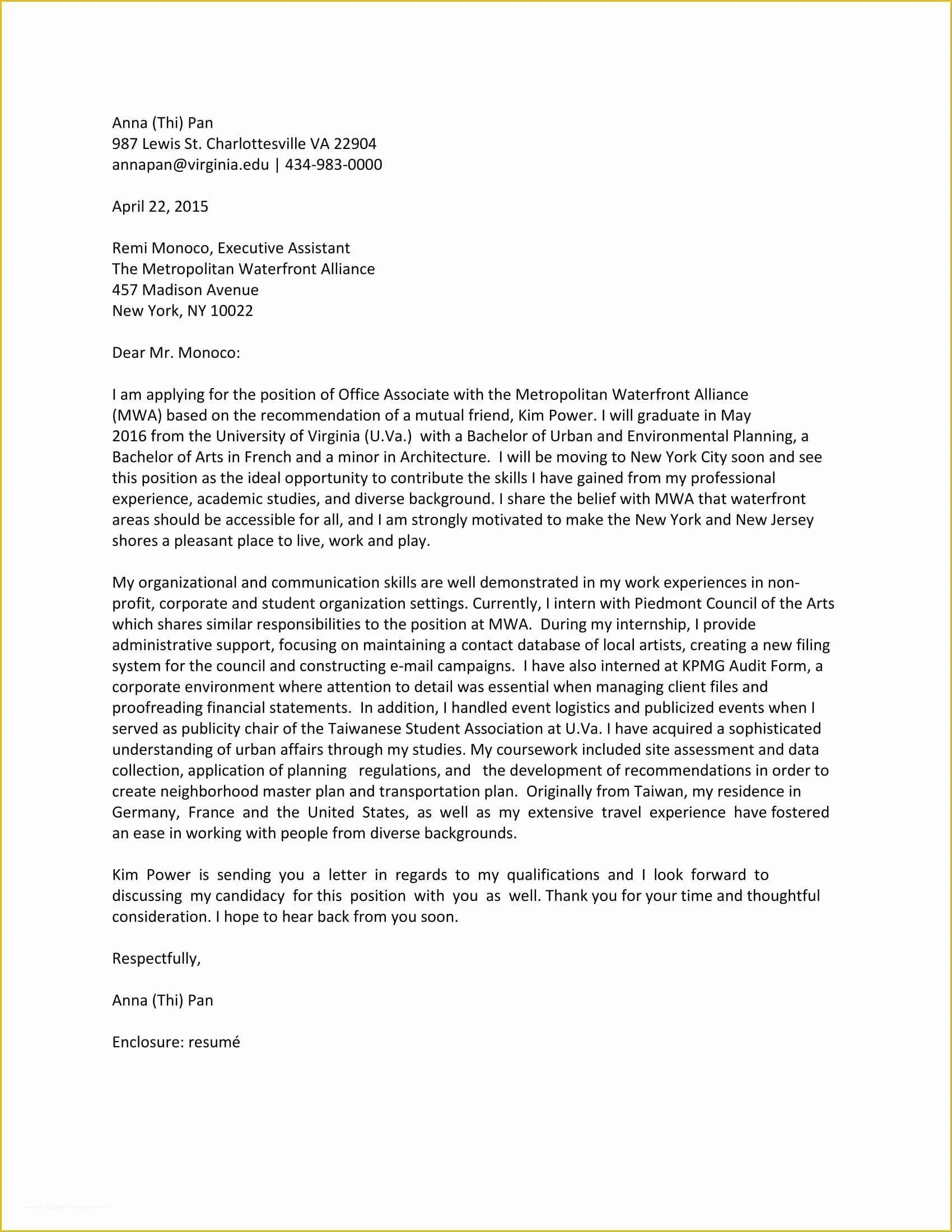
Why a Great Cover Letter Template Matters
In the competitive landscape of job hunting, a standout cover letter can be your golden ticket to an interview. It’s your first impression, your personal introduction, and your chance to showcase why you’re the perfect fit. A well-crafted cover letter, built on a solid template, is essential because it does more than just list your skills it tells a story, demonstrating how your experiences align with the employer’s needs. Without a compelling cover letter, your resume might get lost in the pile, missing the opportunity to make a memorable first impression. A great template provides a structure, guiding you to highlight your key qualifications and making it easy for the hiring manager to understand your value.
The Importance of a Cover Letter
A cover letter serves as a vital bridge between your resume and the hiring manager, offering a personalized view of your qualifications. It gives you the space to elaborate on your resume, providing context to your achievements and explaining why you are interested in the role and the company. In essence, the cover letter allows you to introduce yourself, express your enthusiasm, and connect your skills and experiences directly to the job requirements. This approach can significantly increase your chances of getting noticed, even if your resume might initially seem a little generic or if there are gaps in your employment history. The cover letter is your chance to shine, making your application more compelling.
What a Strong Cover Letter Does

A strong cover letter immediately captures the reader’s attention, clearly stating your intent and highlighting what you bring to the table. It focuses on your unique qualifications, demonstrating how your skills match the job requirements. Furthermore, it highlights your enthusiasm for the specific opportunity and the company. A well-written letter can also provide context to your resume, clarifying any potential ambiguities or gaps in your employment history. It shows that you’ve taken the time to research the company and the role, thus showcasing your genuine interest. Ultimately, a strong cover letter makes you stand out from other candidates, creating a memorable and positive impression, and increasing your chances of securing an interview.
Key Components of an Outstanding Cover Letter Template
Your Contact Information and Date
Your cover letter should begin with your full name, address, phone number, and email address. This is the easiest way for a hiring manager to contact you. Be sure to use a professional email address. Follow this information with the date, then the hiring manager’s name, title, and company address if known. If you are applying to a job where the hiring manager’s name isn’t available, try to find it on LinkedIn or the company website. If that’s impossible, you can use the hiring department.
The Salutation That Grabs Attention

The salutation sets the tone for your entire letter. Avoid generic greetings like ‘To Whom It May Concern.’ Instead, address the hiring manager by name. If you’ve researched the company and know the hiring manager’s name, that’s ideal. If not, ‘Dear Hiring Manager’ is acceptable. Make sure to spell the name correctly and use the appropriate title (Mr., Ms., Dr., etc.). This level of personalization can make a significant impact, demonstrating that you’ve taken the time to learn about the company and the position. A well-crafted salutation shows you’re attentive to details, which will help your application stand out.
Crafting a Compelling Opening Paragraph
Your opening paragraph needs to hook the reader and quickly convey your purpose. State the position you’re applying for and how you found the opportunity. Briefly mention what makes you interested in the role and the company. Avoid clichés; instead, create an immediate connection. Consider including a brief accomplishment or a unique skill that relates to the job. This introductory section should be short, focused, and designed to immediately capture the hiring manager’s attention. The goal is to make them want to read more, thus making your application more engaging.
Highlighting Your Skills and Achievements
The body of your cover letter is where you demonstrate how your skills and experiences align with the job requirements. Review the job description carefully and identify key qualifications. Provide examples of how you’ve used these skills in past roles, explaining your accomplishments using the STAR method (Situation, Task, Action, Result). This approach provides concrete evidence of your capabilities, making your claims more convincing. Tailor your examples to the specific job, ensuring that each one relates to the requirements of the position. This clear connection makes it easier for the hiring manager to see your suitability for the role. Backing up claims with quantifiable results enhances your credibility.
Quantifying Your Accomplishments

Quantifying your accomplishments is crucial. Instead of saying, ‘Improved sales,’ state, ‘Increased sales by 20% within six months.’ Numbers provide tangible evidence of your value. Use metrics like percentages, dollar amounts, or the number of people managed to showcase the impact of your work. Whenever possible, demonstrate how your actions led to positive outcomes for previous employers. These results should be directly relevant to the target job. This approach helps the hiring manager easily understand the value that you can bring to their company. This method supports your statements and makes them more convincing and memorable.
Showcasing Your Value to the Employer
In your cover letter, always focus on what you can offer the employer, not just what you want from the job. Explain how your skills and experiences will benefit the company. Provide specific examples of how you’ve solved problems, increased efficiency, or contributed to revenue growth in the past. Make it clear that you understand the company’s needs and can deliver results. Showcase your understanding of the company’s mission and how your expertise aligns with their goals. The cover letter is your opportunity to present yourself as a solution to their challenges, a valuable asset, and the best fit for the position.
Tailoring Your Cover Letter to the Job
Researching the Company and the Role

Thorough research is essential. Before writing your cover letter, learn about the company’s mission, values, and recent projects. Visit the company website, check social media, and read industry news to get insights. Understand the specific requirements of the job. This will allow you to tailor your letter, demonstrating that you have carefully considered the role. Demonstrate your knowledge of the company and how your skills align with their specific needs. This is crucial because it shows that you are genuinely interested and prepared to contribute.
Addressing the Specific Requirements
Match your skills and experiences to the job description’s key requirements. Identify the keywords used in the job posting and incorporate them naturally throughout your cover letter. This shows the hiring manager that you understand the role. Highlight how your previous experiences align with the needs of the position, giving concrete examples and results. If the job description requires specific skills or experience, address them directly. Explain how your skills and past roles meet the criteria outlined in the job description. Always show, don’t tell; provide supporting evidence of your skills and how you have used them successfully.
The Powerful Closing Paragraph
Your closing paragraph should leave a strong final impression. Summarize your key qualifications and reiterate your interest in the role and the company. It’s important to keep your tone confident and professional. Thank the hiring manager for their time and consideration. Express your eagerness for the next steps. You can also use this section to emphasize your value again. Ensure your closing paragraph leaves the impression that you are well-qualified and eager to contribute. This will make the application memorable and encourage a positive response.
Expressing Enthusiasm and Confidence

Show genuine enthusiasm throughout your cover letter. Express your interest in the position and the company. Let your personality shine through, maintaining a professional tone. Conclude the letter with a confident statement, emphasizing your capabilities. Use phrases that convey your confidence in your ability to excel in the role. Avoid being overly aggressive, but be assertive. This shows that you believe in your skills and value. A confident approach will leave a positive final impression, making you more likely to secure the interview.
The Call to Action Requesting an Interview
Conclude with a clear call to action. Request an interview to discuss your qualifications. Make sure it’s straightforward, expressing your availability and enthusiasm. State that you look forward to hearing from them soon. Provide your contact information, making it easy for the hiring manager to reach you. This shows your proactive approach and makes the next step easy for the company. A clear call to action increases your chances of being invited for an interview. This final step ensures that you move the application process forward, increasing your chances of success.
Choosing the Right Cover Letter Template Format
Modern vs Traditional Template Styles

The choice between modern and traditional templates depends on the industry and company culture. Traditional templates are generally more conservative, with a formal layout and classic fonts, and are often the safe choice for more conservative industries. Modern templates are more creative and visually appealing, featuring unique layouts, fonts, and design elements, which can be suitable for tech or creative fields. If the company is known for innovation, a modern template might be a good fit. Always align your template choice with the industry standards and the company culture to make a positive impression.
Utilizing White Space and Font Choices
Use white space effectively. An uncluttered template makes your cover letter easier to read. Use margins of at least one inch on all sides. Use clear, readable fonts like Times New Roman, Arial, or Calibri, and keep the font size between 10 and 12 points. Avoid fancy fonts and make sure your text is well-organized. This will improve the readability of your cover letter. This also helps to highlight key information and keep the reader engaged. A well-formatted cover letter is more likely to be read fully. The goal is to make it easy for the hiring manager to absorb your qualifications and see how you fit the role.
Cover Letter Template Examples to Follow
Example 1 Marketing Specialist Template

A Marketing Specialist cover letter template might highlight skills like content creation, SEO, social media marketing, and data analysis. Focus on achievements such as increased website traffic, lead generation, or successful marketing campaigns. The opening might state the position applied for, while highlighting relevant experience. Tailor it to the role by emphasizing previous successes. The language would be engaging, showcasing enthusiasm, and your ability to align with the company’s marketing strategies. The goal is to demonstrate your ability to contribute to their marketing success. This will grab their attention.
Example 2 Project Manager Template
A Project Manager cover letter template should emphasize leadership, organizational skills, and project success. Highlighting relevant accomplishments, like completing projects on time and within budget, showcases your ability to manage complex tasks. The template should demonstrate your experience in using project management methodologies and tools. Mention any certifications, and showcase your understanding of project lifecycles. Focus on your proven track record of success. The goal is to demonstrate your ability to ensure project goals are met.
Example 3 Software Engineer Template
For a Software Engineer, the cover letter template should highlight technical skills, programming languages, and experience with software development methodologies. Focus on contributions to successful projects and any notable achievements. The language used should be precise and demonstrate your understanding of software development principles. Be sure to include a list of technologies and tools that you are experienced with. It’s crucial to showcase your ability to design, develop, and implement software solutions. The goal is to show that you’re ready to contribute to the team.
Common Mistakes to Avoid in Your Cover Letter
Generic and Vague Statements
Avoid using generic phrases that could apply to anyone. Instead of saying ‘I am a hard worker,’ give specific examples. Focus on providing actionable results, such as ‘Increased sales by 15%.’ Tailor your letter to the specific job, demonstrating why you are the right fit. Avoid clichés and generic content. Use unique and specific examples to illustrate your skills. Show, don’t tell; provide evidence of your accomplishments. This will make your cover letter more engaging. This approach ensures that your application stands out from the crowd.
Typos and Grammatical Errors
Typos and grammatical errors can undermine your credibility. Always proofread your cover letter carefully before submitting it. Read it multiple times, and use spell check and grammar check tools. Consider having a friend or mentor review it. Mistakes show a lack of attention to detail. These errors can create a negative impression. Make sure the language is professional and free of errors. This will enhance your chances of making a positive first impression. A polished and well-edited cover letter increases your chances.
Lengthy and Unfocused Content
Keep your cover letter concise and focused. A cover letter should ideally be one page long, making it easy for the hiring manager to read. Don’t include irrelevant information or repeat what’s already in your resume. Prioritize your most relevant skills and experiences, aligning them with the job requirements. Use bullet points to highlight key achievements, and keep each point brief and to the point. A concise cover letter is more likely to hold the hiring manager’s attention and make a strong impact.
Optimizing Your Cover Letter for Applicant Tracking Systems
Keywords and Phrases
Many companies use Applicant Tracking Systems (ATS) to screen resumes. To pass the ATS, include keywords from the job description in your cover letter. Identify key skills, technologies, and responsibilities. Incorporate these terms naturally into your sentences. Make sure your language is relevant to the role. By incorporating the right keywords, you increase the likelihood that your application will be seen by a human. This is critical for any job application.
File Format and Naming Conventions
Submit your cover letter in a common file format, such as PDF. This ensures that the formatting remains intact. Use a clear and professional file name, such as ‘YourName_CoverLetter.pdf’. Avoid special characters or spaces in the file name. Following file format and naming conventions increases your chances of your cover letter being properly received. It shows that you pay attention to details. This also makes the document easy to manage for the hiring manager.
Proofreading and Editing for Perfection
Before submitting, carefully proofread and edit your cover letter. Check for grammatical errors, typos, and inconsistencies. Read your cover letter aloud, which can help you catch mistakes. Consider getting a second pair of eyes. Having someone else review your letter can catch things you might have missed. A polished cover letter shows professionalism. A well-edited cover letter helps to make sure that the first impression is positive.
Tools and Resources to Help You Write a Cover Letter
Online Cover Letter Builders
Several online cover letter builders offer templates and guidance to help you create a cover letter. These tools often provide pre-written content, and customization options. Some examples include websites that offer a user-friendly interface. Use these resources as a starting point, customizing the template to fit your needs. These tools can save time and ensure you include all the necessary components. Remember to always tailor your letter to the specific job.
Professional Writing Services
If you want to get personalized help, consider professional writing services. These services can review your resume and cover letter. They can provide expert feedback and tailor your application. Ensure the service has experience in your field. Professional help can improve the quality of your cover letter. Although this might involve a fee, it can be a worthwhile investment. This can make a big difference in making a great first impression.
Final Thoughts and Tips for Cover Letter Success
A well-written cover letter is essential. It should be crafted to highlight your skills. Tailor it to the specific job. Research the company and the role. Proofread carefully to ensure a professional presentation. By following these guidelines, you will create a cover letter that gets noticed. A great cover letter can significantly improve your chances of getting an interview. Good luck, and happy job hunting.