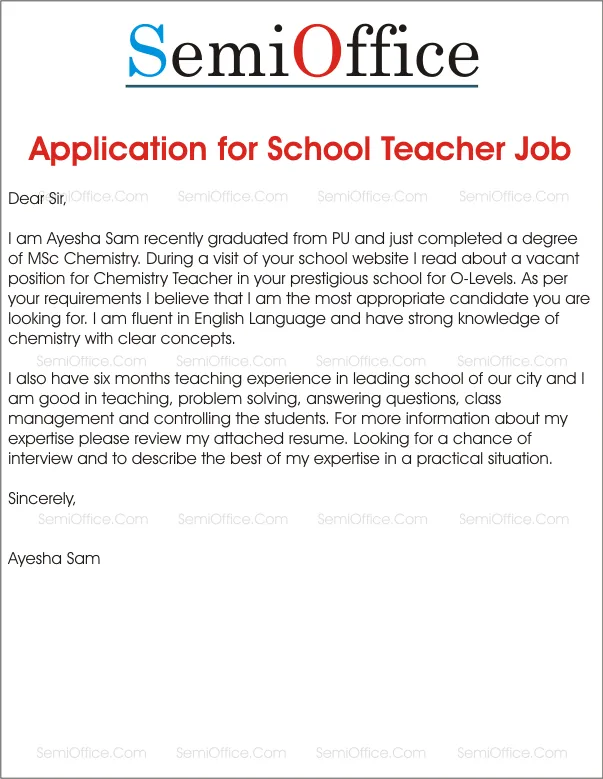
Crafting a Compelling Cover Letter for Biology Teacher
A well-crafted cover letter is your first chance to impress a potential employer and secure an interview. For a biology teacher, this document is critical. It’s not just a formality; it’s your opportunity to showcase your passion for the subject, your teaching abilities, and your suitability for the specific role and school. A strong cover letter complements your resume, providing context and depth to your qualifications. It allows you to explain how your skills and experience align with the school’s needs and why you are the best candidate for the position. This guide provides top tips to create a cover letter that will make you stand out.
Understanding the Purpose of a Cover Letter
The primary goal of a cover letter is to get you an interview. It’s your introduction, your sales pitch, and your chance to make a memorable first impression. Unlike a resume, which provides a factual overview of your qualifications, a cover letter lets you demonstrate your personality, enthusiasm, and teaching philosophy. It should highlight the key aspects of your resume that are most relevant to the job and explain why you are excited about the opportunity. The cover letter also allows you to address any gaps in your experience or qualifications and to explain how you can contribute to the school’s mission and values.
Highlighting Your Skills and Qualifications

Your cover letter should clearly and concisely outline your skills and qualifications relevant to the biology teacher position. Focus on the areas that align with the job description and the school’s specific needs. Use specific examples to illustrate your abilities and avoid simply listing your qualifications. Instead, show how you have used your skills in the classroom to achieve positive results for students. This section is where you convince the reader of your value.
Education and Certifications
Clearly state your educational background, including your degree(s) in biology or a related field, any relevant coursework, and the name of the institutions you attended. Always include your teaching certifications and any endorsements you hold (e.g., secondary education, specific subject areas). If you have ongoing professional development or additional certifications, mention them here as well. Specify any honors, awards, or achievements you earned during your academic career.
Teaching Experience
Provide details about your teaching experience, including the schools where you have worked, the grades you have taught, and the subjects you have covered. If you are a recent graduate, include details about your student teaching experience. Quantify your achievements whenever possible. For instance, mention how you improved student test scores, implemented a new curriculum, or developed innovative teaching methods. Highlight any leadership roles or extracurricular activities you were involved in as a teacher.
Specific Skills and Abilities

Showcase skills relevant to the position. This might include curriculum development, lesson planning, classroom management, assessment strategies, and the use of technology in the classroom. Mention any specialized knowledge in areas like genetics, ecology, or anatomy. Provide specific examples of how you have used these skills to enhance student learning and engagement. If you have experience with specific educational software or technologies, be sure to mention them.
Tailoring Your Cover Letter
A generic cover letter rarely impresses. Tailoring your letter to each specific job application is essential. This shows the hiring committee that you are genuinely interested in the position and have taken the time to understand the school’s needs. The more customized your cover letter, the better chance you have of making a lasting impression. Avoid sending the same letter to multiple schools without making any adjustments.
Researching the School or District
Before writing your cover letter, research the school and the district. Visit their website to learn about their mission, values, academic programs, and recent initiatives. Understand the school’s culture, student demographics, and any specific challenges they may be facing. This information will help you tailor your cover letter to align with the school’s needs and demonstrate your understanding of their context.
Matching Your Skills to the Job Description

Carefully review the job description and identify the key skills and qualifications the school is seeking. Then, highlight the relevant aspects of your experience and skills that match these requirements. Use the same keywords and phrases from the job description to demonstrate that you meet the school’s needs. If the description emphasizes experience with a particular curriculum or teaching methodology, make sure to address that in your cover letter.
Emphasizing Your Passion and Enthusiasm
Your cover letter should convey your passion for biology and your enthusiasm for teaching. Share what excites you about the subject and why you are motivated to inspire students. This is your chance to show the hiring committee that you’re not just looking for a job; you are committed to making a difference in students’ lives and fostering a love of science. Let your personality shine through and demonstrate that you’re more than just a qualified candidate; you are an engaging and enthusiastic educator.
Expressing Your Teaching Philosophy
Briefly articulate your teaching philosophy. Explain your approach to student learning, classroom management, and assessment. Mention your belief in creating a positive and inclusive learning environment. How do you create engaging lessons? What is your approach to incorporating different learning styles? Mention your approach to the use of technology or collaborative activities in the classroom. Give a brief summary that will give the reader an insight to your approach in the classroom.
Demonstrating Your Commitment to Student Success

Highlight your commitment to student success. Emphasize your ability to connect with students, motivate them to learn, and help them achieve their full potential. Mention any experience you have with differentiated instruction, supporting students with diverse learning needs, or promoting a growth mindset. If you have any examples of positive student outcomes, include them here (e.g., improved test scores, increased student engagement, or successful student projects).
Formatting and Structure
The formatting and structure of your cover letter are important for making a good first impression. A well-organized and easy-to-read cover letter will help you stand out and leave a lasting impression on the hiring committee. Proper formatting also shows attention to detail and professionalism.
Header and Contact Information
Begin with a professional header that includes your name, address, phone number, and email address. Make sure your contact information is accurate and up-to-date. Consider including a link to your online portfolio or professional website, if you have one. Always include the date and the name and title of the person you are addressing the cover letter to, if known.
Opening Paragraph

Start with a compelling opening paragraph that captures the reader’s attention. State the position you are applying for and how you found the job opening. Briefly mention something that interests you about the school or the position. Highlight a key qualification or achievement that makes you stand out. Show your genuine interest and enthusiasm.
Body Paragraphs
The body paragraphs should provide more detailed information about your skills, experience, and qualifications. Use these paragraphs to expand on the points you made in your resume. Provide specific examples that illustrate your abilities. Clearly demonstrate how your qualifications align with the job requirements. Focus on the school’s needs and why you are the best fit. Use keywords from the job description, and remember, quantify your results.
Closing Paragraph
End your cover letter with a strong closing paragraph. Reiterate your interest in the position and express your enthusiasm. Thank the reader for their time and consideration. Include a call to action, such as stating that you are eager to discuss your qualifications in an interview and providing your contact information once again. Keep it professional and polite.
Review and Proofreading

Before submitting your cover letter, carefully review and proofread it. Check for any grammatical errors, spelling mistakes, or typos. Make sure the formatting is consistent and professional. Ask a friend or colleague to review your cover letter as a second pair of eyes to catch any errors you may have missed. A polished and error-free cover letter shows attention to detail and professionalism.
Common Mistakes to Avoid
Avoiding common mistakes will significantly increase your chances of success. A well-crafted cover letter can be the difference between getting an interview and having your application overlooked. Therefore, paying attention to detail and taking the time to write a thoughtful and engaging cover letter is essential.
Generic Language and Clichés
Avoid using generic language and clichés that could apply to any job. Statements like “I am a team player” or “I am a hard worker” are overused and don’t provide any specific information about your abilities. Instead, use specific examples and demonstrate your skills and experiences.
Lack of Specific Examples
Do not just list your qualifications; back them up with specific examples of your achievements. Instead of saying “I have experience with curriculum development,” explain how you developed a specific curriculum, what the objectives were, and what results you achieved. This shows that you have practical experience and can apply your skills effectively.
Ignoring the Job Description
Failing to tailor your cover letter to the specific job description is a common mistake. Make sure to read the job description carefully and highlight the skills, experiences, and qualifications that match the school’s needs. Use the same keywords and phrases from the job description. This shows that you are a good fit and that you have the qualifications they are looking for.
Poor Grammar and Spelling
Poor grammar and spelling errors can damage your credibility. Always proofread your cover letter carefully and have someone else review it for you. Errors show a lack of attention to detail and professionalism. If you are unsure about grammar or spelling, use online tools or consult a grammar guide.