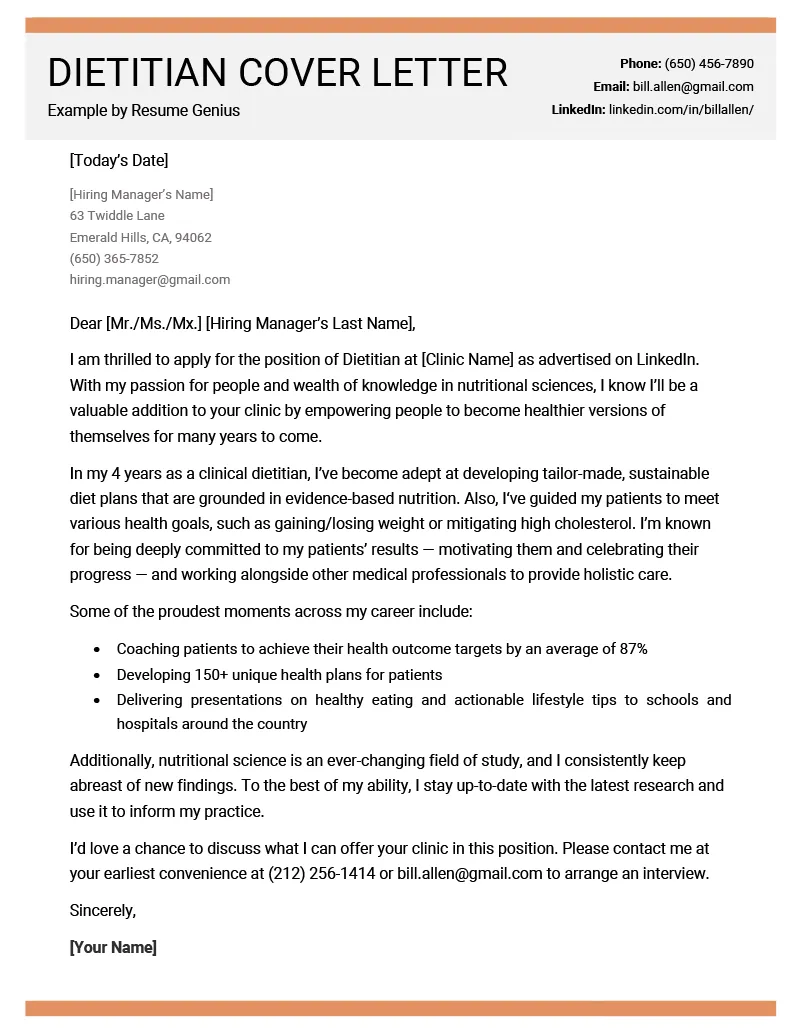
Crafting a Consultant Cover Letter
A consultant cover letter is your first impression, a vital document that can significantly impact your chances of landing a consulting position. It’s more than just a formality; it’s a strategic marketing tool to showcase your skills, experience, and value proposition. This guide will walk you through the essential elements of a compelling cover letter, helping you stand out from the competition and secure your dream job. A well-crafted cover letter not only highlights your professional background but also demonstrates your understanding of the consulting industry and the specific needs of the prospective employer.
Understanding the Purpose of a Cover Letter
The primary purpose of a consultant cover letter is to introduce yourself and persuade the hiring manager to review your resume. It’s your opportunity to tell your story, explain why you’re the best fit for the role, and articulate your career aspirations. Think of it as a personalized sales pitch that complements your resume. A strong cover letter demonstrates your communication skills, attention to detail, and your ability to tailor your message to a specific audience.
Highlighting Relevant Skills and Experience

Consulting roles demand a diverse skill set. Your cover letter should prominently feature the skills and experiences that align with the job description. Focus on quantifiable achievements and specific examples that demonstrate your expertise. Common skills to highlight include problem-solving, analytical thinking, communication, leadership, and project management. Providing concrete examples of how you’ve successfully applied these skills in previous roles is crucial. For example, instead of stating ‘Managed projects,’ describe ‘Managed a team of 10 consultants, delivering projects on time and within budget, resulting in a 15% increase in client satisfaction.’
Tailoring Your Cover Letter to the Job
Generic cover letters rarely impress. Always tailor your letter to each specific job application. Carefully review the job description and identify the key requirements and desired qualifications. Use this information to customize your cover letter, highlighting the skills and experiences that directly address the employer’s needs. Research the company and the hiring manager, if possible. Understanding their values, culture, and current projects will enable you to write a more targeted and compelling letter. Demonstrate how your skills and experience align with their specific requirements and how you can contribute to their success. This personalized approach significantly increases your chances of getting noticed.
Key Components of a Consultant Cover Letter
Your Contact Information and Date

Start with your contact information, including your full name, phone number, email address, and LinkedIn profile URL. Place this at the top of the letter, usually left-aligned. Below your contact information, include the date you’re sending the letter. This ensures the recipient can easily identify who you are and how to reach you. Ensuring that the contact information is accurate is critical for the recruiter or hiring manager to connect with you.
The Recipient’s Information
If possible, address your cover letter to a specific person. Research the hiring manager or the person in charge of recruiting. If you can’t find a specific name, use a professional title like ‘Hiring Manager’ or ‘Recruiting Team.’ Include the recipient’s name, title, company name, and address. This personalization demonstrates your attention to detail and your proactive approach to the job application process. It also shows that you’ve taken the time to learn about the company.
The Salutation
Use a professional salutation, such as ‘Dear Mr./Ms. [Last Name]’ if you know the recipient’s name. If you don’t know the name, use ‘Dear Hiring Manager’ or ‘Dear Recruiting Team.’ Avoid generic salutations like ‘To Whom It May Concern,’ as they can make your letter seem impersonal. Always double-check the spelling of the recipient’s name to show respect and professionalism.
Opening Paragraph

In the opening paragraph, state the position you’re applying for and how you learned about the opportunity. Briefly mention your most relevant qualifications and express your enthusiasm for the role. Capture the reader’s attention immediately. Make a strong first impression by clearly stating your intention and highlighting a key achievement or skill that aligns with the job requirements. A well-crafted opening paragraph sets the tone for the rest of your letter and encourages the reader to continue reading.
Body Paragraphs Your Value Proposition
The body of your cover letter is where you showcase your skills, experience, and accomplishments in detail. Use this section to highlight your value proposition, explaining why you’re the best candidate for the job. Provide specific examples of your achievements and quantify your results whenever possible. Align your skills and experience with the requirements outlined in the job description. Address how your past experiences have prepared you for this specific role, demonstrating that you have a clear understanding of what the job entails. Use bullet points or short paragraphs to make your points easy to read and understand. Focus on what you can bring to the company and how you can contribute to its success. Illustrate your understanding of the company’s needs and demonstrate how your skills align with their goals.
Quantifying Achievements
Whenever possible, quantify your achievements to demonstrate the impact you’ve made in previous roles. Use numbers and data to support your claims. For example, instead of saying ‘Improved sales,’ say ‘Increased sales by 20% in one year.’ Quantifiable achievements make your accomplishments more credible and provide concrete evidence of your abilities. Quantifying your achievements helps the hiring manager quickly understand the value you brought to previous employers and what you can potentially bring to their company.
Using Action Verbs

Start your sentences with strong action verbs to make your accomplishments more impactful. Action verbs convey a sense of initiative, leadership, and accomplishment. Examples include ‘managed,’ ’led,’ ‘developed,’ ‘implemented,’ ‘achieved,’ ‘improved,’ ’negotiated,’ and ‘resolved.’ Using strong action verbs makes your cover letter more engaging and demonstrates your ability to take action and deliver results. Action verbs help the hiring manager quickly identify your key skills and how you’ve used them to achieve success in the past.
Closing Paragraph and Call to Action
In the closing paragraph, reiterate your interest in the position and express your enthusiasm for the opportunity. Briefly summarize your key qualifications and reiterate your value proposition. Include a call to action, such as ‘I am eager to discuss how my skills and experience can benefit your company. I look forward to hearing from you soon.’ Always thank the reader for their time and consideration. A well-written closing paragraph leaves a lasting positive impression and encourages the hiring manager to take the next step, which is often scheduling an interview.
Formatting and Presentation Tips
Choosing the Right Font and Size

Use a professional and easy-to-read font, such as Times New Roman, Arial, or Calibri. Choose a font size between 10 and 12 points. Ensure that your font is consistent throughout the entire document. Proper formatting makes your cover letter look polished and professional, and it is easy for the reader to scan. Avoid overly stylized or decorative fonts that can be distracting. Maintaining consistent formatting makes the document more readable and presents you as detail-oriented.
Maintaining a Professional Tone
Maintain a professional tone throughout your cover letter. Use formal language and avoid slang, jargon, and contractions. Be respectful and courteous in your communication. Ensure that your language reflects the professional environment of consulting. Avoid using overly casual or informal language, as this can create a negative impression. Pay attention to your word choice and sentence structure to ensure a polished and professional appearance. Proper tone shows your professionalism and understanding of workplace communication.
Proofreading and Editing Your Letter
Proofread your cover letter carefully for any typos, grammatical errors, or spelling mistakes. Mistakes can undermine your credibility and make you appear unprofessional. Use a grammar and spell checker, but also read the letter aloud to catch any errors that the software may miss. It’s best to have someone else review your letter as well, as a fresh pair of eyes can often catch errors you might miss. Careful proofreading is essential to ensure your cover letter is polished, professional, and free of errors. Ensure that the grammar and spelling are accurate.
Avoiding Common Mistakes

Generic Cover Letters
Avoid using a generic cover letter that could be sent to any company. Tailor your letter to each specific job application. Customize your cover letter to show that you understand the job requirements and the company’s needs. Generic letters demonstrate a lack of interest and can quickly lead to rejection. Tailoring your letter shows that you’ve taken the time to learn about the company and the role, which significantly increases your chances of getting noticed.
Ignoring Job Requirements
Make sure your cover letter addresses the requirements outlined in the job description. If the job description asks for specific skills or experiences, be sure to highlight those in your letter. Failing to address the requirements can lead to your application being overlooked. Carefully review the job description and ensure your cover letter directly addresses the key skills and qualifications that the employer is seeking. Make it easy for the hiring manager to see that you meet the requirements.
Typos and Grammatical Errors

Typos and grammatical errors are a major turnoff. They can damage your credibility and make you appear unprofessional. Always proofread your cover letter carefully. Ask someone else to review it as well. Use spell check and grammar check tools, but also read the letter aloud to catch any mistakes. Correcting any and all typos or grammatical errors is critical to make a positive impression and show that you pay attention to detail. Proofreading is a must before sending the cover letter to the employer.
The Importance of a Strong Closing
Expressing Enthusiasm
End your cover letter on a positive note by expressing your enthusiasm for the opportunity. Reiterate your interest in the position and your excitement about the possibility of joining the company. Show that you are eager to learn more about the role and discuss how you can contribute to the company’s success. A strong closing paragraph leaves a lasting positive impression and makes it more likely that the hiring manager will remember you.
Thanking the Reader
Always thank the reader for their time and consideration. Express your appreciation for their review of your application. A simple ‘Thank you for your time’ or ‘Thank you for considering my application’ is sufficient. Showing gratitude is a sign of respect and professionalism. Thanking the reader is a sign of respect and politeness, leaving a positive last impression.