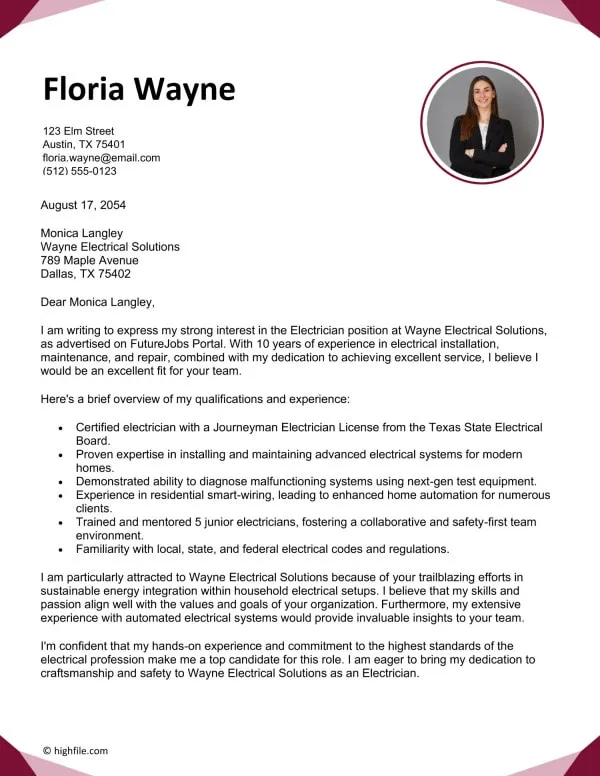
What is a Cover Letter?
A cover letter is a crucial document that accompanies your resume when applying for a job. It serves as a personalized introduction, allowing you to elaborate on your skills, experience, and qualifications while expressing your interest in the specific position and company. It’s your opportunity to make a strong first impression and convince the hiring manager that you’re the ideal candidate. A well-crafted cover letter can significantly increase your chances of getting an interview, making it an indispensable part of any job application.
Definition and Purpose
The primary purpose of a cover letter is to introduce yourself to the hiring manager and highlight why you are a good fit for the job. It provides context to your resume, explaining how your skills and experiences align with the specific requirements of the role. A cover letter goes beyond simply listing your qualifications; it allows you to demonstrate your personality, enthusiasm, and writing skills, all of which can set you apart from other applicants.
Key Differences from a Resume

While a resume is a concise summary of your professional history, a cover letter allows for more detailed explanations and personal expression. A resume provides a chronological overview of your work experience, education, and skills, while a cover letter offers a narrative that explains why you are interested in the specific job and company. The cover letter showcases your communication skills and demonstrates your understanding of the company’s needs and how you can meet them, whereas the resume focuses on providing factual information about your background.
Why Cover Letters are Important
In today’s competitive job market, a cover letter is often the first thing a hiring manager sees. It’s your chance to make a positive impact and differentiate yourself from other candidates. A well-written cover letter can showcase your personality, skills, and enthusiasm, providing a more comprehensive view of your qualifications beyond the facts presented in your resume. It allows you to explain any gaps in your employment history, address specific requirements of the job, and express your genuine interest in the opportunity. In essence, a cover letter gives you a voice and allows you to advocate for yourself in a way that a resume alone cannot.
Making a Great First Impression
A cover letter is your opportunity to make a memorable first impression. Start with a strong opening that grabs the reader’s attention and clearly states the position you’re applying for and where you found the opening. Be concise and professional, tailoring your letter to the specific job requirements and company culture. Demonstrate your understanding of the company’s mission and values, and show how your skills and experiences align with their needs. A well-crafted first impression can set the tone for the rest of the application process and increase your chances of getting an interview. (Image: cover-letter-writing)
Highlighting Relevant Skills

Use your cover letter to highlight the skills and experiences most relevant to the job you are applying for. Carefully review the job description and identify the key requirements and keywords. Then, provide specific examples from your past experiences where you’ve demonstrated those skills. Quantify your accomplishments whenever possible, using numbers and data to showcase your impact. Clearly show how your skills and experience align with the needs of the company and the specific responsibilities of the role. This focused approach will demonstrate to the hiring manager that you possess the capabilities they seek.
Demonstrating Personality and Enthusiasm
A cover letter is a chance to let your personality shine and express your genuine enthusiasm for the role and the company. Write in a professional yet engaging tone that reflects your passion for the opportunity. Use active voice and avoid overly formal language. Share what excites you about the company and the position, and explain why you believe you would be a good fit. This will help the hiring manager see you as more than just a list of qualifications; it will show them that you are eager to contribute and become a valuable member of their team. (Image: cover-letter-personality)
Essential Components of a Cover Letter
A well-structured cover letter contains several essential components that work together to convey your qualifications and interest in the job. Each part serves a specific purpose and contributes to the overall effectiveness of your letter. Ensure that all the necessary sections are included, and that each part is written in a professional and clear manner. The following are the key components for writing a great cover letter.
Contact Information and Date

At the top of your cover letter, include your contact information (name, address, phone number, and email address) as well as the date. This allows the hiring manager to easily contact you if they are interested in scheduling an interview. Ensure that your contact information is up-to-date and accurate. If you are sending a hard copy, include the recipient’s address as well. This section establishes professionalism and facilitates communication.
The Salutation
The salutation is the greeting at the beginning of your cover letter. Whenever possible, address the hiring manager by name. Research the name of the hiring manager, using LinkedIn or the company website. If you cannot find a specific name, use a professional salutation such as “Dear Hiring Manager” or “Dear [Department] Hiring Team.” Avoid generic greetings like “To Whom It May Concern,” which can make your letter feel impersonal.
Opening Paragraph
The opening paragraph should grab the reader’s attention and state the purpose of your letter. Clearly mention the specific position you are applying for and where you saw the job posting. Briefly explain why you are interested in the role and the company. Use this section to express your enthusiasm and make a compelling first impression. This sets the stage for the rest of your letter and encourages the reader to continue reading.
Body Paragraphs

The body paragraphs form the core of your cover letter, where you showcase your qualifications and explain why you are a good fit for the job. Highlight relevant skills, experiences, and accomplishments that align with the job requirements. Provide specific examples from your past to demonstrate your ability to perform the job successfully. Use keywords from the job description to show that you understand the role. Quantify your achievements whenever possible, using data to showcase your impact and give a clear image of how you add value. Break your letter into 2-3 paragraphs for ease of reading.
Closing Paragraph
The closing paragraph should summarize your interest in the position and express your gratitude for the opportunity. Reiterate your enthusiasm and briefly mention how your skills and experiences align with the company’s needs. Include a call to action, such as stating that you look forward to hearing from them and are available for an interview. Thank the hiring manager for their time and consideration, ending on a positive and professional note.
The Complimentary Close and Signature
The complimentary close is the formal closing of your cover letter. Use a professional closing such as “Sincerely,” “Best regards,” or “Respectfully.” Leave space for your signature and then type your full name. If you’re sending an electronic version, you can use a digital signature or simply type your name. The complimentary close and signature add a final touch of professionalism to your cover letter.
Formatting and Design Best Practices

The formatting and design of your cover letter are just as important as the content. A well-formatted letter is easier to read and makes a positive impression. Use clear and concise language, proper grammar, and an appealing layout. (Image: cover-letter-formatting)
Font Choices
Choose a professional and easy-to-read font, such as Times New Roman, Arial, Calibri, or Helvetica. Stick to a font size between 10 and 12 points. Ensure that the font is consistent throughout the document. Avoid using unusual or overly decorative fonts, as they can be difficult to read and detract from your message. Opt for readability and a clean look.
Margins and Spacing
Use standard one-inch margins on all sides of your cover letter. This creates a balanced and professional appearance. Double-space between paragraphs for better readability. Single-space within paragraphs. Proper spacing makes your letter more visually appealing and easier for the hiring manager to read. A well-formatted letter is much more inviting.
Length Considerations

Keep your cover letter concise and to the point, typically one page in length. Avoid including unnecessary information. Focus on the most relevant skills and experiences that directly relate to the job requirements. The hiring manager is busy, so they will appreciate a well-written, brief letter. Ensure that your letter is easy to read and doesn’t require scrolling.
Common Mistakes to Avoid
Avoiding common mistakes can greatly improve your cover letter and increase your chances of getting an interview. Be aware of the pitfalls that can make a negative impact, and ensure that your cover letter is polished and professional. By avoiding these mistakes, you can present yourself as a strong candidate and make a positive impression on the hiring manager.
Typos and Grammatical Errors
Typos and grammatical errors can undermine your credibility and demonstrate a lack of attention to detail. Always proofread your cover letter carefully before submitting it. Use spell-check and grammar-check tools, but also read the letter multiple times to catch any errors the software might miss. Ask a friend or family member to review your cover letter for a fresh perspective. (Image: cover-letter-mistakes)
Generic and Uninspired Content

Avoid using a generic cover letter that could be sent to any company. Tailor your letter to each job application, highlighting your specific skills and experiences that align with the job requirements. Research the company and mention something specific that interests you about their work. This will demonstrate your genuine interest and show that you’ve put effort into your application.
Focusing Too Much on Yourself
While it’s important to highlight your skills and experience, avoid focusing solely on yourself. Instead, emphasize how your skills and experiences can benefit the company. Explain how you can contribute to their goals and solve their problems. Frame your accomplishments in terms of what you can do for them, not just what you’ve done in the past. Focus on the value you bring.
Tailoring Your Cover Letter
Tailoring your cover letter is essential for increasing your chances of success. A customized letter demonstrates that you have carefully considered the specific requirements of the job and are genuinely interested in the company. Investing the time to tailor your cover letter shows that you’re willing to put in extra effort to be a competitive candidate. This shows that you are a serious candidate.
Researching the Company
Before writing your cover letter, research the company to understand their mission, values, and recent achievements. Visit their website, read news articles, and check their social media profiles. This will help you tailor your letter to the company culture and demonstrate that you understand their business. Mention specific projects, products, or initiatives that resonate with you, and explain how your skills and experiences align with their goals. (Image: cover-letter-skills)
Matching Skills and Experience
Carefully review the job description and identify the key skills and experiences the employer is seeking. Then, highlight your relevant skills and experiences in your cover letter, providing specific examples from your past. Use keywords from the job description to show that you understand the role and its requirements. If you’re missing some required skills, try to mention any related experiences that show you’re able to learn. The hiring manager will appreciate your ability to learn and your willingness to contribute.
Using Keywords from the Job Description
Incorporate relevant keywords from the job description throughout your cover letter. This helps demonstrate that you meet the required qualifications and can also help your application get noticed by Applicant Tracking Systems (ATS), which are often used to screen applications. However, avoid keyword stuffing, which can make your letter sound unnatural. Use keywords naturally within the context of your sentences, ensuring that your writing remains clear and engaging.
Cover Letter Examples
Reviewing cover letter examples can help you understand how to structure your letter and highlight your skills and experiences. Look for examples that are relevant to the type of job you are applying for, and tailor them to your own qualifications and the specific requirements of the role. This can provide inspiration and give you a better idea of how to present your skills and qualifications.
Cover Letter for a Marketing Position
A cover letter for a marketing position should highlight your marketing skills, such as market research, campaign management, social media marketing, and content creation. Include quantifiable achievements, like a percentage increase in leads or website traffic. Mention any relevant marketing tools and software that you are familiar with. Tailor your letter to the specific marketing role and the company’s marketing strategy, showing your ability to drive results. (Image: cover-letter-example)
Cover Letter for an Entry-Level Job
When applying for an entry-level job, emphasize your relevant skills, education, and any internships or volunteer experiences. Highlight any transferable skills, such as communication, teamwork, and problem-solving abilities. Show your enthusiasm for the opportunity and your willingness to learn and grow within the company. Tailor your letter to the specific entry-level role and the company’s industry. Explain your career goals and how this entry-level position aligns with those goals.
Cover Letter for a Career Change
If you are changing careers, your cover letter should focus on highlighting transferable skills and experiences from your previous roles. Explain why you are making a career change and what interests you about the new field. Tailor your letter to the specific job you are applying for, emphasizing the skills and experiences that are relevant to the new role. Frame your past experiences in a way that demonstrates their value to the new employer. (Image: cover-letter-career-change)
Proofreading and Editing
Proofreading and editing are critical steps in the cover letter writing process. A polished cover letter is more likely to make a positive impression on the hiring manager. Proofreading ensures that your letter is free of errors, while editing improves the clarity and conciseness of your writing.
Importance of Proofreading
Thorough proofreading is essential to catch any typos, grammatical errors, and formatting issues. These mistakes can make your cover letter appear unprofessional and may lead the hiring manager to believe you lack attention to detail. Use a variety of methods to proofread, including reading your letter aloud, reading it backward, and asking a friend or family member to review it. The more eyes on your cover letter, the better. Ensure you catch all errors before submitting. (Image: cover-letter-writing)
Seeking Feedback
Seek feedback from trusted sources, such as career counselors, mentors, or friends, to gain valuable insights into your cover letter. Ask them to review your letter for clarity, conciseness, and overall effectiveness. They can identify areas for improvement and provide suggestions on how to strengthen your application. Consider having someone with experience in the field review your letter to ensure it is relevant and compelling. (Image: cover-letter-writing)
Resources for Cover Letter Writing
There are many resources available to help you write a compelling cover letter. These resources include online templates, writing guides, and professional services. Utilize these resources to improve your writing skills and create a cover letter that will impress hiring managers. Use the resources to familiarize yourself with industry best practices and common formatting styles. (Image: cover-letter-resources)