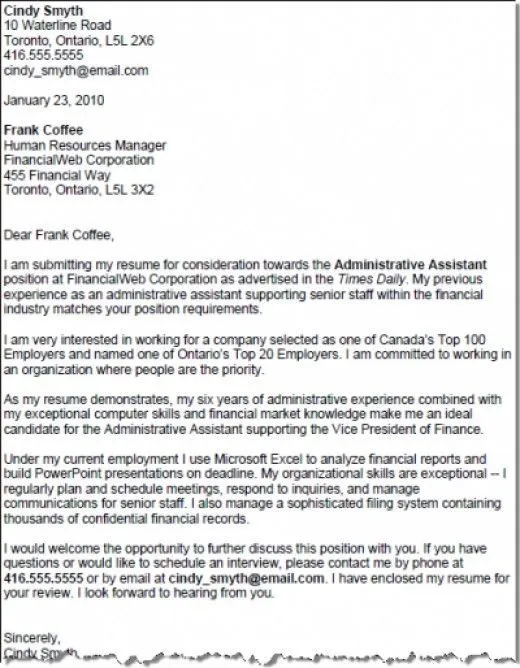
Cover Letter Canada: Grab Attention
In the competitive Canadian job market, a well-crafted cover letter is your first opportunity to make a positive impression. It’s not just a formality, but a crucial tool to showcase your personality, skills, and enthusiasm for the role. Think of it as your personal introduction, a chance to go beyond the bullet points of your resume and connect with the hiring manager on a deeper level. A generic, uninspired letter will likely end up in the rejection pile. However, a compelling cover letter, meticulously tailored to the specific job and company, can significantly increase your chances of getting noticed and landing an interview. The aim is to create a narrative that captivates the reader from the opening sentence, drawing them into your story and making them eager to learn more about you. Remember, this is your chance to stand out; so make it count.
Research the Company
Before you even begin writing, thoroughly research the company and the specific role you’re applying for. This is a critical step that demonstrates your genuine interest and initiative. Visit the company’s website, explore their social media profiles, and read any recent news articles or press releases. Understand their mission, values, and recent achievements. What are their current projects? What challenges are they facing? This research will not only inform your cover letter but also help you tailor your language and highlight the skills and experiences most relevant to their needs. Show the hiring manager that you’ve taken the time to understand their organization and that you are not just sending a generic application; you are targeting them. Showing that you understand the company culture and their goals will set your cover letter apart and make a strong case for your candidacy. Be specific about why you want to work for them not just any company.
Tailor Your Cover Letter

One of the biggest mistakes job seekers make is sending the same cover letter to every job. Generic letters are easy to spot and are quickly discarded. Instead, customize each cover letter to match the specific requirements of the job description and the values of the company. Carefully analyze the job posting, identifying the key skills, experiences, and qualifications the employer is seeking. Use these keywords and phrases throughout your cover letter, demonstrating how your background aligns with their needs. Highlight the experiences that directly address the requirements and explain how you can contribute to their team’s success. This is not just about repeating the job description, but about demonstrating that you have taken the time to align your qualifications with their specific needs. By tailoring your letter, you immediately show the hiring manager that you are a good fit and that you have put in the effort.
Highlight Relevant Skills
While your resume lists your skills and experiences, your cover letter is the place to elaborate on them and demonstrate their relevance to the role. Don’t just list your skills; provide specific examples of how you’ve used them to achieve results in previous roles. Use the STAR method (Situation, Task, Action, Result) to structure your examples, providing a clear and concise narrative that showcases your abilities. Focus on the skills that are most important to the job and explain how you have used them to solve problems, achieve goals, and contribute to the success of your previous employers. For example, instead of simply stating that you have strong communication skills, describe a situation where you effectively communicated with a team or resolved a conflict. Show, don’t just tell, and make sure your examples are quantifiable and demonstrate tangible results. This is where you can truly shine and make your application memorable.
Quantify Your Achievements
Whenever possible, quantify your achievements to demonstrate the impact you’ve made in previous roles. Use numbers and data to illustrate your accomplishments and show the value you can bring to the new position. Instead of saying, “Improved customer satisfaction,” say “Improved customer satisfaction by 15%.” Instead of “Managed a team,” say “Managed a team of 10 employees and increased productivity by 10%.” Quantifiable achievements are much more persuasive and make a stronger impression on the hiring manager. They provide concrete evidence of your skills and abilities and make it easier for the employer to understand the value you can bring to their organization. Providing concrete examples will make your cover letter more compelling and memorable, showcasing your ability to deliver results. Use metrics and data to support your claims, making them more convincing.
Showcase Your Enthusiasm

Your cover letter is your opportunity to express your genuine enthusiasm for the role and the company. Let your passion shine through in your writing. Explain why you are excited about the opportunity and what attracts you to the company. Show that you have taken the time to learn about their work and that you share their values. Avoid sounding generic or overly formal. Use a positive and engaging tone that reflects your personality and enthusiasm. Your enthusiasm can make a significant difference and will make your cover letter more engaging. The hiring manager wants to hire someone who is genuinely excited about the opportunity, as it often correlates with higher performance and greater job satisfaction. Expressing your enthusiasm effectively will make you stand out from the competition.
Proofread and Edit
Before you submit your cover letter, proofread it carefully for any errors in grammar, spelling, and punctuation. Typos and grammatical errors can undermine your credibility and give the impression that you are not detail-oriented. Ask a friend, family member, or career advisor to review your cover letter as well. Fresh eyes can often catch mistakes that you might have missed. Ensure that your writing is clear, concise, and easy to understand. Pay attention to the overall flow and organization of your letter. Make sure that your sentences are well-structured and that your ideas are presented logically. A polished and error-free cover letter demonstrates your professionalism and attention to detail. It is a reflection of your commitment to quality and shows that you care about presenting yourself in the best possible light. Take the time to ensure that your cover letter is perfect before submitting it.
Format Your Cover Letter for Success
The format of your cover letter is crucial for readability and professionalism. Use a clean and simple font, such as Arial or Times New Roman, and maintain a consistent font size throughout the document. Use standard margins and single-space your text, but double-space between paragraphs for clarity. Keep your cover letter concise and focused, ideally within one page. Break up large blocks of text with headings and subheadings to make it easier to read. Use bullet points to highlight key achievements or skills. Ensure that the letter is well-organized, with a clear introduction, body paragraphs, and conclusion. A well-formatted cover letter is visually appealing and easy to navigate, demonstrating your attention to detail and professionalism. A professional format makes a positive first impression and increases the likelihood that the reader will engage with your content.
Use a Professional Tone

Maintain a professional tone throughout your cover letter. Use formal language and avoid slang, jargon, and colloquialisms. Be respectful and courteous in your communication. Address the hiring manager by name, if possible; otherwise, use a professional greeting like “Dear Hiring Manager.” Your language should reflect your professionalism and respect for the company and the opportunity. Use a positive and enthusiastic tone, but avoid being overly familiar or casual. The goal is to create a positive impression while maintaining a professional demeanor. Ensure your language is appropriate for a business context, making a great first impression through your writing style and vocabulary. Always proofread your letter to avoid any unprofessional language or tone.
Mention Specific Projects
When highlighting your skills and experience, mention specific projects or initiatives where you achieved notable results. This demonstrates practical application and showcases your ability to translate skills into tangible outcomes. Describe the project, your role, the challenges you faced, and the results you achieved. Quantify your achievements with data and metrics to demonstrate the impact of your work. Mentioning specific projects adds depth and credibility to your cover letter. Providing concrete examples makes your claims more convincing and helps the hiring manager understand your capabilities. This approach offers a clear picture of what you can bring to the role and how you contribute in a professional setting. Specifics will catch their attention and make them want to know more about you and your experience.
Cover Letter Canada: Following Up
After submitting your cover letter and resume, follow up with the hiring manager or recruiter. A polite and timely follow-up demonstrates your continued interest in the position and your proactive approach. Send a brief email a week or two after submitting your application to inquire about the status of your application. Reiterate your interest in the role and thank the hiring manager for their time. Avoid being overly persistent or pushy. A concise and professional follow-up can leave a positive impression. A well-timed follow-up demonstrates initiative and enthusiasm. It also reminds the hiring manager of your application and keeps you top of mind. Even if the role is not filled, it is a chance to reinforce your interest and professionalism.