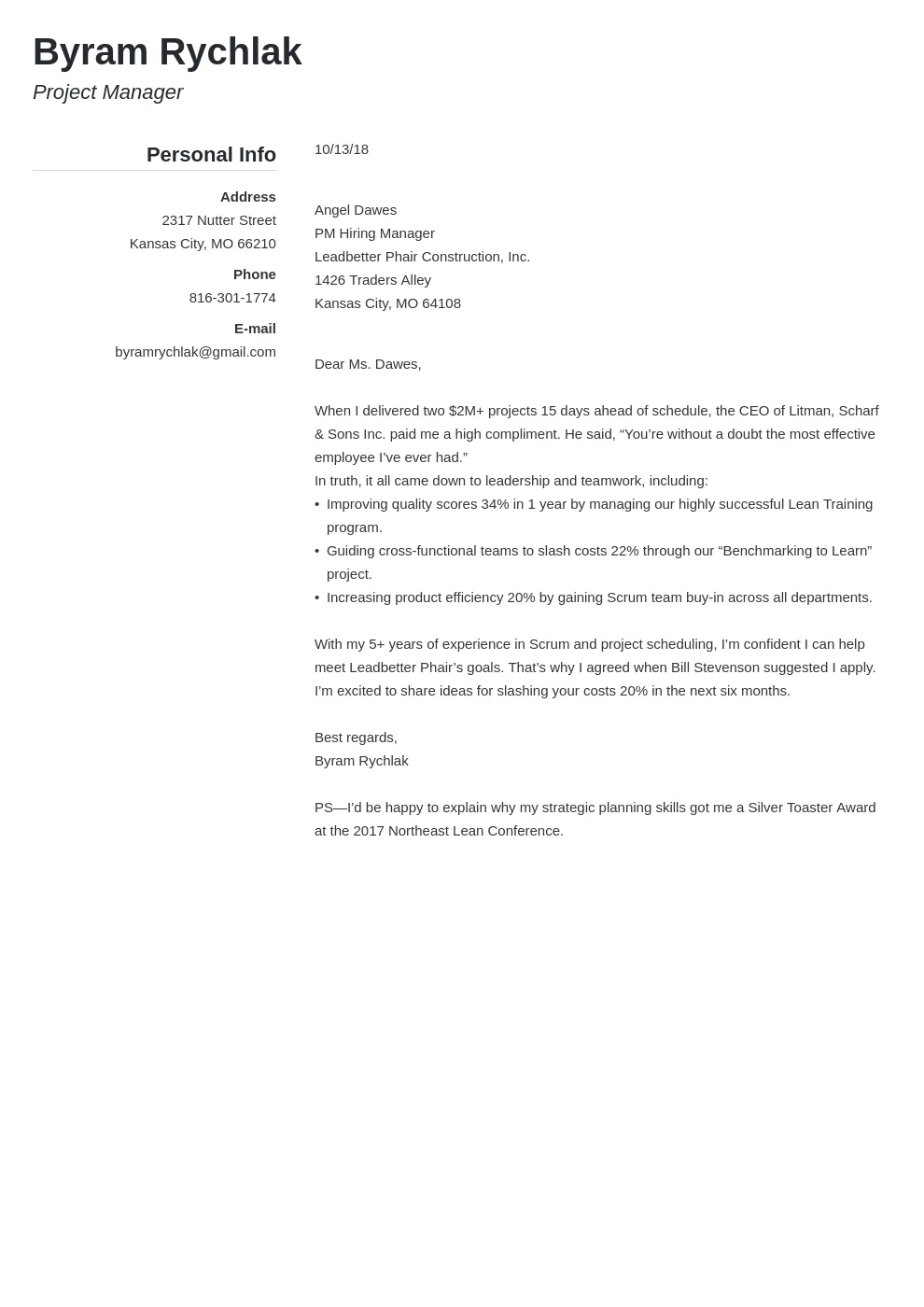
The Significance of Your Cover Letter Closing
The closing paragraph of your cover letter is more than just a formality; it’s your final opportunity to make a lasting impression on a potential employer. Think of it as the handshake after an interview or the final note in a symphony. A well-crafted closing paragraph can significantly boost your chances of landing an interview, as it reinforces your interest, summarizes your key qualifications, and provides clear instructions for the next steps. Neglecting this crucial element can leave a negative impact, leaving the reader with a weak or forgettable impression. It’s essential to approach the closing with as much care and attention as you devote to the rest of your cover letter, ensuring it leaves the reader with a positive and memorable image of you.
Why the Closing Paragraph Matters
The closing paragraph serves multiple critical functions. First, it reiterates your enthusiasm for the position and the company, demonstrating your genuine interest and passion. This enthusiasm can be contagious, influencing the hiring manager’s perception of you. Second, it offers a concise summary of your key qualifications, reminding the reader of the value you bring to the table. This is especially important if the reader has been inundated with applications. Lastly, the closing guides the reader toward the next steps, such as expressing your availability for an interview and including your contact information for easy accessibility. A strong closing paragraph actively encourages the hiring manager to take the next step in the hiring process, which significantly increases your chances of being called in for an interview. This paragraph is your final chance to reinforce your value and make a positive impression, making it a critical component of your cover letter.
Top 5 Cover Letter Closing Paragraphs

Here are five effective closing paragraph strategies, each designed to help you make a strong and positive final impression. Choosing the right approach depends on your personal style, the job requirements, and the company’s culture. Remember to tailor the closing paragraph to each specific application for optimal results. These examples will help you create a closing that reflects your unique skills and qualifications. The key is to be authentic, enthusiastic, and proactive in your communication, ensuring your cover letter ends on a high note. Implementing any of these techniques will greatly enhance your chances of success.
Expressing Enthusiasm and Interest
Begin by restating your strong interest in the position and the company. Mention something specific that excites you about the role or the organization. For instance, you might say, “I am very enthusiastic about the opportunity to join [Company Name] as a [Job Title]. I am particularly drawn to [Company’s mission/project/culture] and believe my skills and experience in [relevant skills] align perfectly with your requirements.” This approach showcases your genuine excitement and demonstrates you’ve done your research. Make sure to highlight what specifically resonates with you. This personal touch goes a long way in making your application stand out. A genuine expression of interest will increase the likelihood of the hiring manager feeling enthusiastic about your application.
Summarizing Your Key Qualifications
Briefly summarize your most relevant skills and experiences, emphasizing how they match the job requirements. For example, “In this role, my expertise in [Skill 1], [Skill 2], and [Skill 3] will enable me to successfully [mention a key achievement or goal related to the job].” This method reminds the hiring manager of your most valuable qualifications. Tailor the summary to the specific job description. This strategy is particularly effective if you have a long work history, or if the job requires a very specific skillset. The key is to remain concise while highlighting the most critical attributes. This helps the reader quickly understand why you are a strong fit for the position and increases the likelihood of your application being considered further.
Reiterating Your Value Proposition

Clearly state what you bring to the company and why they should hire you. For example, “I am confident that my experience in [area] will allow me to contribute to [company’s goals]. I am eager to leverage my skills to help [achieve a specific goal for the company].” This approach emphasizes your value proposition, communicating how you can solve the company’s problems or contribute to its success. Think of it as the ‘so what’ factor. This method helps your application stand out by clearly stating how your skills and experience can benefit the company. This closing strategy is a direct and impactful way to showcase why you should be the chosen candidate, making it easier for the hiring manager to understand the value you bring.
Suggesting Next Steps
Proactively indicate your availability for an interview and how the hiring manager can reach you. For example, “I am available for an interview at your earliest convenience and can be reached at [phone number] or [email address]. Thank you for your time and consideration.” This is a straightforward approach that encourages the hiring manager to take immediate action. Make sure to include your preferred contact information and clearly state your availability. By doing this, you facilitate the process for the hiring manager. Suggesting next steps provides a clear call to action, making it easier for the reader to move forward with your application, increasing your chances of getting an interview.
Thanking the Reader for Their Time
Express your gratitude to the reader for reviewing your application. A simple and sincere “Thank you for your time and consideration” is always appropriate. Make sure to maintain a professional tone, and keep it brief. This shows respect for the reader’s time and is considered a standard courtesy. Although it is a simple closing, it remains an essential part of any cover letter. This small gesture can significantly enhance the overall impression you leave and demonstrates that you value the opportunity. Thanking the reader is a polite way to end your cover letter, and it helps to ensure that the reader has a favorable impression of your application.
Closing Paragraph Mistakes to Avoid

While crafting a cover letter closing, certain mistakes can undermine your efforts and reduce your chances of securing an interview. Avoiding these common errors can significantly enhance your cover letter’s effectiveness. Pay careful attention to the language you use, how you format the closing, and the overall message you convey. Being aware of these pitfalls ensures your closing paragraph complements the rest of your application, leaving a positive lasting impression. These small details can make a significant difference.
Using Generic Closing Statements
Avoid using generic phrases that lack personality or enthusiasm. Phrases such as “Thank you for your consideration” are acceptable but can be seen as impersonal. Instead, personalize your closing to reflect your specific interest in the role and the company. Show enthusiasm by mentioning something specific about the job or the organization that appeals to you. Generic closing statements don’t make your application stand out and can be perceived as a lack of genuine interest. Tailoring your closing demonstrates that you have taken the time to research the company. This level of personalization shows you are enthusiastic about the opportunity and increase your chances of getting noticed.
Failing to Proofread the Closing
Always proofread your closing paragraph carefully. Typos, grammatical errors, and formatting inconsistencies can damage your credibility and make you appear unprofessional. Check for any spelling mistakes, grammatical errors, and formatting issues. Make sure your contact information is accurate and up to date. Proofreading is a non-negotiable step. It may be a small detail, but it can undermine your entire application. A polished, error-free closing demonstrates attention to detail and commitment, qualities that employers highly value. Thorough proofreading ensures that your cover letter is a reflection of your professionalism and meticulousness.
Forgetting to Include Contact Information

Ensure you include your contact information, such as your phone number and email address, in the closing paragraph. Make it easy for the hiring manager to reach you to schedule an interview or follow up. Missing contact details force the reader to search for your information, leading to missed opportunities. Don’t assume they’ll know how to reach you. Including this information streamlines the hiring process. This simple step makes it easy for the hiring manager to contact you. Making it easy for the reader helps ensure you are contacted and increases your chances of getting an interview.
Formatting the Closing Effectively
Effective formatting can significantly enhance the impact of your closing paragraph. Using formatting techniques such as concise wording, a professional tone, and personalization can make your closing more engaging and memorable. Make sure the closing paragraph is not too long and maintains a professional tone. These are simple steps, but they can have a significant impact on the effectiveness of your cover letter. Keep the closing concise and easy to read. The structure of the closing paragraph plays a crucial role in its effectiveness. This shows you respect the hiring manager’s time, ensuring your message is clear and impactful.
Keep It Concise and Engaging
Keep the closing paragraph concise, aiming for 3-4 sentences at most. Get straight to the point, avoid unnecessary jargon, and convey your key messages effectively. A concise closing shows you value the reader’s time. A long, rambling closing can make your application less impactful and potentially weaken the overall impression. A brief, well-crafted closing paragraph keeps the reader engaged and reinforces the main points of your cover letter. Concise, engaging content ensures that your closing paragraph captures and holds the hiring manager’s attention, leaving a lasting positive impression. The more concise your paragraph, the better.
Maintain a Professional Tone

Maintain a professional and respectful tone. Avoid overly casual language, slang, or humor. Remember, the cover letter is a formal document, and the closing should reflect your professionalism. Maintain a tone that aligns with the company’s culture. The tone should match the overall style of the cover letter and the job. Professionalism in your closing demonstrates that you understand workplace etiquette and take the application process seriously. This approach helps to showcase your maturity and respect for the hiring process, significantly increasing your chances of making a positive impression on the reader.
Personalize Your Closing
Tailor your closing to each specific job application. Avoid using a generic closing that you can use for every application. Use information from the job description, the company’s website, or any interactions you’ve had with the company to make the closing more personal. Demonstrate that you’ve researched the company and understand the role. Personalizing your closing paragraph will showcase your interest in the specific role and company. The more you personalize your closing, the more you demonstrate that you’ve taken the time to understand the role and company. Doing this will increase your chances of creating a positive impression.
Examples of Effective Cover Letter Closings
Here are examples of effective closing paragraphs that you can adapt for your use. Consider these examples as a guide to crafting your own closing paragraphs. These examples will illustrate how to combine the discussed techniques to create a compelling and successful closing paragraph. Use these as inspiration, and always personalize the examples to match your application and the specific requirements of the job. The examples shown here give you a range of options to adapt for your needs.
Closing for a Job Application

“Thank you for considering my application. I am enthusiastic about the opportunity to contribute to [Company Name]’s mission. My experience in [skill area] and my ability to [achievement] align perfectly with the requirements of this role. I am available for an interview and can be reached at [phone number] or [email address].” This example expresses enthusiasm, summarizes key qualifications, and suggests the next steps. Tailor this closing paragraph to match the skills and company information to each specific job application. This is a classic example of a strong closing. The goal of this example is to make it easier for the hiring manager to contact you.
Closing for a Networking Opportunity
“Thank you for taking the time to speak with me and providing valuable insights into the role of [Job Title] at [Company Name]. I am excited about the prospect of joining your team and using my expertise to help achieve [Company goal]. I look forward to hearing from you soon.” The purpose of this closing is to thank the person. This kind of closing is especially useful when you are applying for a job through networking. Keep this in mind if you are reaching out to someone for a job application. Acknowledge the effort and time they put into helping you.
Closing When Following Up
“I hope this email finds you well. Following up on my application for the [Job Title] position, I would like to reiterate my strong interest in the role and [Company Name]. My skills in [skill area] and [another skill area] align well with your needs. Please let me know if I can provide any further information. I look forward to hearing from you.” This is an excellent example of a follow-up cover letter. This is the perfect kind of closing if you are sending a follow-up email. A polite reminder and summary of your skills are often a good choice. Remember to always remain courteous.
Refining Your Closing Paragraph
The key to crafting a successful closing paragraph is in the refining process. Reviewing, getting feedback, and practicing are all essential steps. A polished closing paragraph significantly increases your chances of a positive outcome. The final review and polish is crucial for making sure your closing paragraph effectively represents you and your skills. The refining process is a must-do for your job application.
Reviewing Your Closing for Clarity
Review your closing paragraph to ensure its clarity, conciseness, and relevance. Remove any unnecessary words and phrases. Use strong, active verbs. Make sure the closing is easy to understand, and the message is clear. Re-read your closing paragraph after a break, as this allows you to see it with fresh eyes. Make sure that it is easy to read and understand. The goal is for the reader to be immediately clear about your message. Clarity is essential to making sure your message is understood.
Seeking Feedback on Your Closing
Ask trusted friends, mentors, or career advisors to review your closing paragraph. Seek feedback on clarity, tone, and overall effectiveness. Get feedback from multiple sources for the most comprehensive insights. Ask for specific suggestions on how to improve your closing. A fresh set of eyes can identify areas for improvement that you may have missed. Feedback from others can provide valuable insights and help you refine your closing paragraph. This feedback can lead to improvements you may not have noticed yourself. Feedback from someone else can make all the difference.
Final Thoughts
The closing paragraph of your cover letter is a crucial, yet often overlooked element of your application. By applying the strategies and avoiding the pitfalls outlined in this guide, you can create a strong, impactful closing that leaves a lasting impression. Always personalize your closing to each application, and make sure to proofread carefully. With a well-crafted closing, you can increase your chances of getting an interview and ultimately landing your dream job. Don’t underestimate the power of a well-written closing paragraph. Remember, the closing is your final chance to make a positive impact on the reader, so make it count!