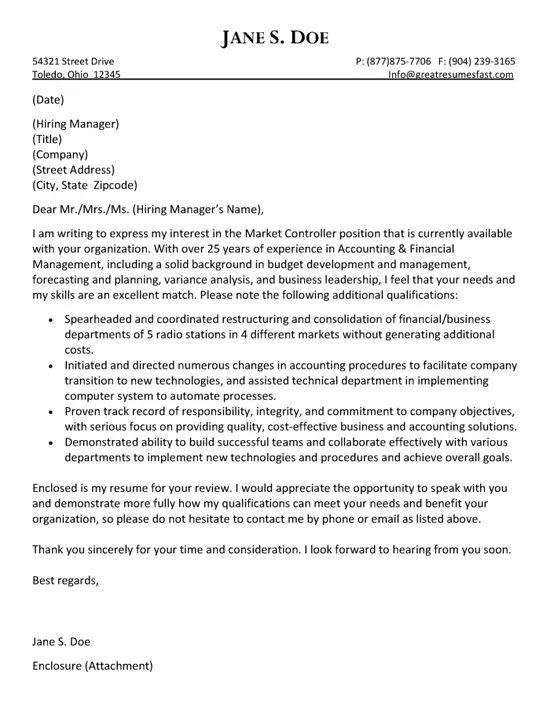
What is a Cover Letter
A cover letter is a crucial document accompanying your resume when applying for a job. It serves as your first introduction to a potential employer, providing a personalized overview of your qualifications, skills, and interest in the specific position. Unlike a resume, which is a factual summary, a cover letter allows you to express your personality, enthusiasm, and how your experiences align with the company’s needs. It’s your opportunity to make a compelling case for why you are the ideal candidate, setting the stage for a positive first impression and increasing your chances of securing an interview. A well-crafted cover letter demonstrates your communication skills and attention to detail, which are valuable assets in any professional setting.
Purpose of a Cover Letter
The primary purpose of a cover letter is to persuade the hiring manager to read your resume and consider you for the job. It highlights your key skills and experiences, showing how they match the job requirements. Cover letters allow you to explain any gaps in your employment history, career changes, or other aspects of your background that might need further clarification. Furthermore, they give you a chance to express your enthusiasm for the company and the specific role, demonstrating that you’ve done your research and are genuinely interested. The cover letter bridges the gap between your qualifications and the employer’s needs, making a strong case for why you deserve an interview.
Key Components of a Cover Letter

A compelling cover letter typically includes several key components. First, a strong opening paragraph grabs the reader’s attention and clearly states the position you’re applying for and where you found the job posting. The body paragraphs should highlight your most relevant skills and experiences, providing specific examples to support your claims. Tailor these examples to the job description, showcasing how you meet the requirements. The closing paragraph should reiterate your interest, express gratitude for the opportunity, and include a call to action, such as stating your availability for an interview. Additionally, make sure your letter is free of errors and easy to read, using a professional tone and formatting.
Cover Letter Examples
Entry-Level Cover Letter Example
For entry-level positions, the cover letter should emphasize your academic achievements, relevant coursework, internships, and any volunteer or extracurricular activities that demonstrate your skills and work ethic. If you have limited professional experience, focus on transferable skills such as communication, teamwork, problem-solving, and time management. Showcase any projects where you’ve used relevant skills. Demonstrate your enthusiasm for the industry and your willingness to learn. This is also the place to show how your skills, even if learned in other settings, make you a good candidate. The goal is to convince the employer that you’re eager to contribute and grow within the company.
How to Tailor an Entry-Level Cover Letter

Tailoring an entry-level cover letter is crucial. Research the company and the specific role to understand what they’re looking for. Identify the key skills and qualifications mentioned in the job description and provide examples from your experiences that showcase these skills. Customize your letter to reflect the company’s values and culture. Avoid generic statements and instead, show genuine interest. Proofread carefully for any grammatical errors or typos. Use a professional tone and formatting, making it easy for the hiring manager to read and understand your qualifications. Always customize each cover letter, even for similar positions, to maximize your impact.
Professional Cover Letter Example
A professional cover letter should highlight your relevant work experience, accomplishments, and skills that align with the job requirements. Focus on quantifiable achievements, using numbers and data to demonstrate your impact in previous roles. Provide specific examples of how you’ve solved problems, improved processes, or contributed to the success of your previous employers. Tailor your letter to the specific job by emphasizing the skills and experiences that are most relevant to the role. A strong professional cover letter shows how your expertise can benefit the prospective employer and their business goals. Highlight your leadership skills, project management abilities, or any other relevant experiences.
How to Tailor a Professional Cover Letter
To tailor a professional cover letter effectively, start by thoroughly analyzing the job description. Identify the key requirements and select the most relevant experiences and skills from your resume to highlight. Quantify your achievements whenever possible, using metrics to demonstrate your impact. Research the company and understand its values, culture, and current projects. Use this information to personalize your letter, showing how your skills align with the company’s needs. Customize the language and tone to match the company’s brand. Proofread carefully to ensure there are no errors. Use a professional format that makes your letter easy to read and visually appealing.
Industry-Specific Cover Letter Examples

Cover Letter for Marketing Jobs
A cover letter for marketing jobs should showcase your creativity, communication skills, and understanding of marketing principles. Highlight your experience with specific marketing tools, such as SEO, social media, content marketing, or email campaigns. Provide examples of successful marketing campaigns you’ve managed, including metrics like increased website traffic, lead generation, or conversion rates. Demonstrate your knowledge of the target audience and your ability to develop effective marketing strategies. Show a passion for marketing and the ability to stay updated with the latest trends and technologies. You can also include your experience with budget management, if applicable.
How to Customize a Marketing Cover Letter
To customize a marketing cover letter, research the company’s marketing strategies and identify how your skills align with their needs. Highlight your experience with the specific marketing channels the company uses. Include quantifiable results from previous marketing campaigns. Showcase your creativity and ability to generate innovative ideas. Tailor your language to reflect the marketing industry’s jargon. If relevant, include a link to your portfolio or website. Demonstrate your understanding of the target audience. Always emphasize your strategic thinking and how you can contribute to the company’s marketing goals.
Cover Letter for Tech Jobs

For tech jobs, your cover letter should emphasize your technical skills, experience with specific technologies, and problem-solving abilities. Highlight your relevant projects, including your role, the technologies used, and the results achieved. Showcase your ability to work in a team, your understanding of software development methodologies, and your passion for technology. If you have experience with any programming languages or frameworks, be sure to mention them. Focus on your ability to quickly learn new technologies. Demonstrate your experience with project management methodologies, and show your experience in troubleshooting and finding effective solutions to complex problems. Show how you have a strong understanding of the tech landscape.
How to Customize a Tech Cover Letter
When customizing a tech cover letter, carefully analyze the job description to identify the required skills and technologies. Highlight your relevant experience with those specific technologies and provide examples of how you’ve used them. Quantify your achievements, such as the number of lines of code written, the efficiency gains of a solution, or the success of a project. Use technical language to demonstrate your expertise. Include links to your portfolio, GitHub profile, or personal website. Show how your experience has allowed you to create effective, and robust solutions. Emphasize your ability to work in a team and communicate complex technical concepts. Show a strong understanding of the company’s products and services.
Cover Letter Format & Structure
Formatting Guidelines

Adhering to proper formatting guidelines is essential for creating a professional and readable cover letter. Use a standard font such as Times New Roman, Arial, or Calibri, with a font size between 10 and 12 points. Set your margins to 1 inch on all sides. Left-align your text, and use single spacing within paragraphs and double spacing between paragraphs. Use a clear header that includes your name, contact information, and the date. If you are submitting electronically, save the document as a PDF file to maintain the formatting.
Font and Spacing
The choice of font and spacing significantly impacts the readability and overall appearance of your cover letter. Choose a clear, easy-to-read font like Times New Roman, Arial, or Calibri. The font size should be between 10 and 12 points for optimal readability. Use single spacing within paragraphs and double spacing between paragraphs to separate the content. Proper spacing helps the hiring manager easily scan the document. A well-formatted cover letter creates a positive first impression, demonstrating attention to detail and professionalism.
Header and Contact Information
A well-designed header is essential for a professional cover letter. At the top of your letter, include your full name, address, phone number, and email address. Directly beneath this information, include the date. Then, add the hiring manager’s name and title (if known), the company’s name, and the company’s address. Ensure the information is accurate. Use the same contact information as your resume. This makes it easy for the hiring manager to contact you. Proper formatting in the header shows professionalism and attention to detail.
Structuring Your Content

The structure of your cover letter is critical for making a strong impression. Divide your content into distinct paragraphs to ensure clarity and conciseness. Start with a compelling opening paragraph that grabs the reader’s attention and states the position you’re applying for. The body paragraphs should highlight your relevant skills and experiences, providing specific examples and tailoring them to the job description. Conclude with a closing paragraph that reiterates your interest and includes a call to action, such as stating your availability for an interview. The structure should make the reader’s job of extracting the key information easier, thus maximizing your chances of getting the job.
The Opening Paragraph
Your opening paragraph sets the tone for your cover letter and is your first opportunity to capture the hiring manager’s attention. Clearly state the position you are applying for and where you found the job posting. Mention any mutual connections or refer to the company’s mission or values if appropriate. Express enthusiasm for the role. The opening should be concise and engaging, quickly conveying your interest and the key reason you’re a good fit. Avoid generic opening statements and instead, aim for a personalized and impactful introduction.
The Body Paragraphs
The body paragraphs are the heart of your cover letter, where you showcase your skills, experiences, and accomplishments. Use specific examples to demonstrate how your qualifications align with the job requirements. Tailor your examples to the job description, highlighting the skills and experiences that are most relevant. Quantify your achievements whenever possible, using numbers and data to demonstrate your impact. Focus on your transferable skills and accomplishments that make you the ideal candidate. Use a conversational tone and try to engage the reader, creating a story that makes them want to hire you.
The Closing Paragraph

The closing paragraph should reiterate your interest in the position and thank the hiring manager for their time and consideration. Reiterate your enthusiasm for the opportunity. Include a call to action, such as stating your availability for an interview or expressing your eagerness to discuss your qualifications further. Keep the tone professional and confident. Your closing paragraph should leave a lasting positive impression, reminding the reader of your key strengths and interest in the role.
Tips for Writing a Winning Cover Letter
Research the Company
Thoroughly research the company before writing your cover letter. Understand the company’s mission, values, and recent projects. Review their website, social media profiles, and news articles to gain insights into their culture and goals. Demonstrate your knowledge of the company in your cover letter. Mention how your skills and experiences align with the company’s needs. Tailor your language and tone to match the company’s brand. By showing you have done your homework, you will set yourself apart from other applicants.
Highlight Relevant Skills
Carefully review the job description and identify the key skills and qualifications the employer is seeking. Then, highlight your relevant skills and provide specific examples from your experiences that demonstrate those skills. Use keywords from the job description throughout your cover letter to make it clear that you meet the requirements. Quantify your achievements whenever possible. Tailor your examples to the specific job and showcase how your skills align with the company’s needs. Highlighting relevant skills shows how you are an excellent match for the position and helps your application stand out.
Proofread and Edit
Proofreading and editing are essential steps in the cover letter writing process. Errors can undermine your professionalism. After writing your cover letter, carefully proofread it for any grammatical errors, typos, or inconsistencies. Read it aloud to catch any awkward phrasing. Ask a friend or mentor to review your letter for a fresh perspective. Use grammar and spell-checking tools, but don’t rely on them completely. The best cover letter is perfect and free of errors. Pay close attention to detail, as it demonstrates your professionalism and ability to communicate effectively.