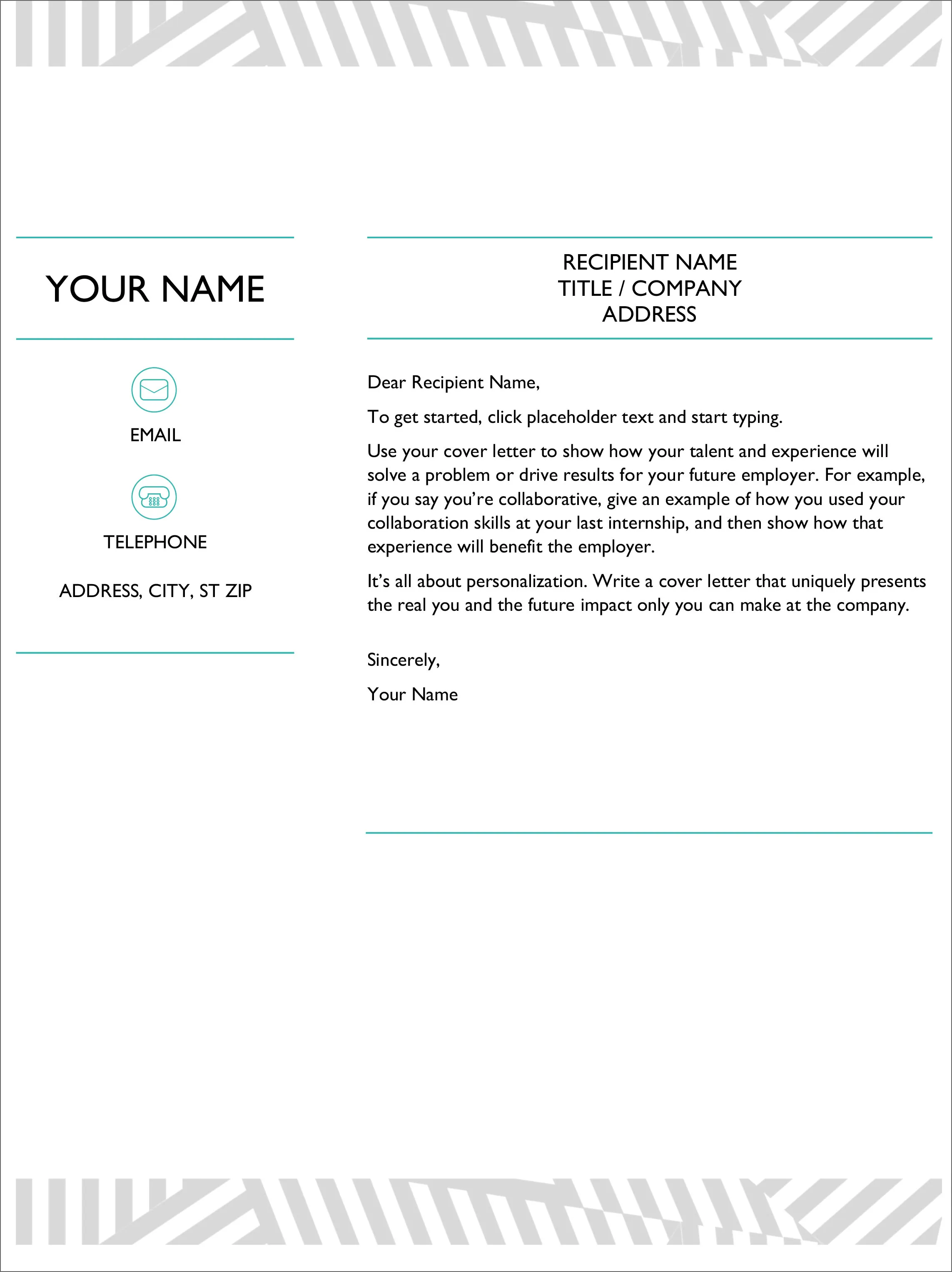
What is a Cover Letter
A cover letter is a crucial document accompanying your resume when applying for a job. It serves as a personalized introduction, allowing you to elaborate on your qualifications, skills, and experiences in a way that a resume cannot. Think of it as your chance to make a strong first impression and convince the hiring manager that you are the ideal candidate for the position. It should be tailored to each specific job application, demonstrating your genuine interest in the company and the role.
The Purpose of a Cover Letter
The primary purpose of a cover letter is to explain why you are a good fit for the job. It provides context to your resume, highlighting the specific skills and experiences that align with the job requirements. It allows you to demonstrate your understanding of the company and the role, showcasing your enthusiasm and making a compelling case for why you deserve an interview. A well-written cover letter helps you stand out from other applicants and increases your chances of getting noticed.
Why Cover Letters Are Important

Cover letters are incredibly important because they offer a platform to showcase your personality and communication skills. They help you to bridge the gap between your resume and the job description. A cover letter allows you to address any potential concerns a hiring manager might have about your qualifications, such as gaps in your employment history or a career change. Furthermore, it demonstrates your attention to detail and your willingness to go the extra mile, both of which are valuable qualities in any employee.
Key Components of a Cover Letter
Header Information
Contact Information

Your header should begin with your contact information, including your name, phone number, email address, and optionally, your LinkedIn profile URL. Ensure this information is accurate and up-to-date. This makes it easy for the hiring manager to contact you if they are interested in your application.
Date
Include the date you are sending the cover letter. This helps establish a timeline for your application. The date should be placed below your contact information.
Recipient’s Information
Address the hiring manager or the specific person mentioned in the job posting. If you are unsure who to address the letter to, research the company’s website or LinkedIn to find the appropriate contact. Use ‘Dear Mr./Ms./Mx. Last Name’ for a professional tone. If a specific person is not available, address to the hiring team or the position title.
Opening Paragraph

Grabbing Attention
Start your cover letter with a strong opening that immediately grabs the reader’s attention. You can mention the specific job you’re applying for, or briefly state why you are interested in the role and the company. Consider mentioning a mutual connection, your passion for the industry, or a specific achievement relevant to the job. This sets the tone for the rest of the letter.
Stating the Purpose
Clearly state the purpose of your cover letter in the opening paragraph. Indicate the specific position you are applying for and where you found the job posting. Briefly explain why you are a suitable candidate, referencing your relevant skills and experiences. This establishes your intent and provides context for the rest of your letter.
Body Paragraphs

The body of your cover letter is where you showcase your qualifications and demonstrate your fit for the role. Use 2-3 paragraphs to elaborate on your skills, experiences, and achievements. Provide specific examples that illustrate your capabilities and demonstrate how you have contributed to past successes. Tailor these examples to the job requirements and the company’s needs. You should aim to showcase your understanding of the job and your potential contribution.
Highlighting Skills and Experiences
Focus on the skills and experiences that align with the job description. Use keywords from the job posting to demonstrate that you meet the requirements. Describe your relevant experiences in detail, providing context and results. Explain how your skills and experience have prepared you for success in the role. It is crucial to provide relevant and specific information to demonstrate that you understand the requirements.
Using Action Verbs
Use strong action verbs to describe your accomplishments and contributions. This will make your letter more engaging and demonstrate your capabilities. Some examples of action verbs include: managed, led, developed, implemented, achieved, and improved. Action verbs help you to paint a clear picture of your previous performance and make your letter more compelling. Be as specific as possible.
Quantifying Achievements

Whenever possible, quantify your achievements. Use numbers and data to demonstrate the impact of your contributions. For example, instead of saying ‘Improved sales’, you could say ‘Increased sales by 15% in six months’. Quantifying your achievements provides concrete evidence of your value and makes your letter more impactful. Data gives the reader a more complete understanding of your impact.
Closing Paragraph
Expressing Gratitude
Express your gratitude to the hiring manager for considering your application. Thank them for their time and for reviewing your qualifications. This simple gesture shows respect and professionalism, leaving a positive impression.
Call to Action

Include a call to action, such as expressing your interest in an interview or your willingness to provide additional information. Reiterate your enthusiasm for the role and the company. End with a professional closing, such as ‘Sincerely’ or ‘Best regards’, followed by your name.
Cover Letter Formatting
Proper formatting is essential for a professional cover letter. It enhances readability and makes your application look polished. Make sure that your cover letter has a clear, easy-to-read layout to leave a positive impression on the recruiter. Use consistent formatting throughout to make the document look well-organized and easy to follow.
Font Selection
Choose a professional and legible font, such as Times New Roman, Arial, Calibri, or Georgia. Avoid overly stylized or decorative fonts, as they can distract the reader. Use the same font for both your cover letter and resume to maintain consistency. The goal is to make your document easily accessible and readable to recruiters.
Font Size

Use a font size between 10 and 12 points. This ensures your text is easy to read without appearing too small or too large. It makes the document visually comfortable for the reader, and helps to avoid eye strain. Using an appropriate font size contributes to the overall professionalism of your cover letter.
Margins and Spacing
Use 1-inch margins on all sides of your cover letter. This creates a balanced and visually appealing layout. Use single or 1.15 line spacing for the body of your letter. This improves readability and makes the document less cluttered. Ensure proper spacing between paragraphs to create clear visual breaks. Using consistent margins and spacing shows attention to detail.
Different Types of Cover Letter Examples
There are several types of cover letters you can use, each tailored to different situations and purposes. The best choice depends on your specific job search needs and career goals. Some examples can be found to help you better understand which one fits your situation best.
The Traditional Cover Letter
A traditional cover letter is the most common type. It is a formal letter that directly addresses the hiring manager and explains your qualifications and interest in the job. It typically follows a standard format, with an introduction, body paragraphs highlighting your skills, and a closing paragraph. This example is the standard to which many job seekers adhere to.
The Skills-Based Cover Letter
A skills-based cover letter emphasizes your skills and how they align with the job requirements. It is useful if you are changing careers or have gaps in your employment history. This format helps you showcase your transferable skills and highlight your potential. In these examples, the goal is to show that you have the skills, even if you haven’t directly worked in the role.
The Summary Cover Letter
A summary cover letter is a concise overview of your key qualifications and experiences. It’s a brief document designed to quickly grab the reader’s attention and highlight your most relevant skills. This type of letter is used to provide a quick overview of your application and can be useful when applying for multiple positions. It is more of an abstract than a complete description.
Cover Letter Examples for Specific Industries
The ideal cover letter varies across industries because the tone, focus, and keywords used should match the industry’s standards and expectations. Customizing your cover letter for a specific industry is vital for increasing your chances of success. You should research the industry’s norms and best practices to tailor your approach effectively.
Cover Letter Examples for Marketing
Marketing cover letters should highlight your creativity, communication skills, and understanding of marketing principles. Emphasize your experience with relevant marketing tools, campaigns, and strategies. Showcase your ability to analyze data, drive results, and adapt to changing market trends. In your examples, be sure to demonstrate your familiarity with digital marketing, content creation, and social media management.
Cover Letter Examples for Software Engineering
Software engineering cover letters should emphasize your technical skills, experience with programming languages, and ability to solve problems. Highlight your projects, contributions to open-source, and understanding of software development methodologies. Showcase your ability to work in teams, adapt to new technologies, and deliver high-quality code. If you have a portfolio or a GitHub account, make sure to reference them.
Cover Letter Examples for Education
Education cover letters should highlight your passion for teaching, your experience with curriculum development, and your ability to engage students. Emphasize your classroom management skills, your knowledge of educational standards, and your ability to create a positive learning environment. Show how you are committed to student success and academic growth.
Cover Letter Examples for Healthcare
Healthcare cover letters should showcase your empathy, attention to detail, and commitment to patient care. Highlight your relevant medical experience, certifications, and knowledge of healthcare protocols. Emphasize your ability to work in a fast-paced environment, communicate effectively, and collaborate with other healthcare professionals. Demonstrate your understanding of patient confidentiality and ethical practices.
Cover Letter Best Practices
Following best practices can significantly improve your chances of getting noticed. Make your cover letter stand out by following the established guidelines. Focus on presenting yourself in the best possible light. These will help you create a professional and persuasive document that gets you closer to a job offer.
Tailoring Your Cover Letter
Customize your cover letter for each job application. This is essential. Address the specific requirements and keywords mentioned in the job description. Research the company and its values to demonstrate your interest. Tailoring your letter shows that you understand the company’s needs and are genuinely interested in the role. This will demonstrate that you put in the effort.
Proofreading and Editing
Always proofread your cover letter carefully for any grammatical errors, typos, or inconsistencies. Mistakes can create a negative impression and undermine your credibility. Have someone else review your letter for a fresh perspective. Ensuring that your cover letter is polished and error-free demonstrates professionalism and attention to detail. Correct any errors to show the company that you can pay attention to detail.
Keywords Optimization
Incorporate keywords from the job description into your cover letter. Use these words naturally to demonstrate your alignment with the job requirements. Optimize your letter to help it get through applicant tracking systems (ATS) and to ensure that your qualifications are highlighted. Include these keywords in your letter to make your application more visible.
Common Mistakes to Avoid
Avoid these common mistakes to make your cover letter stand out. This will ensure that your cover letter is a strong representation of your skills and qualifications. By addressing these common errors, you can create a more impactful and professional cover letter that gets you noticed.
- Using generic language
- Including irrelevant information
- Repeating information from your resume
- Having grammatical errors or typos
- Failing to tailor your letter to the specific job
- Using an unprofessional tone or language