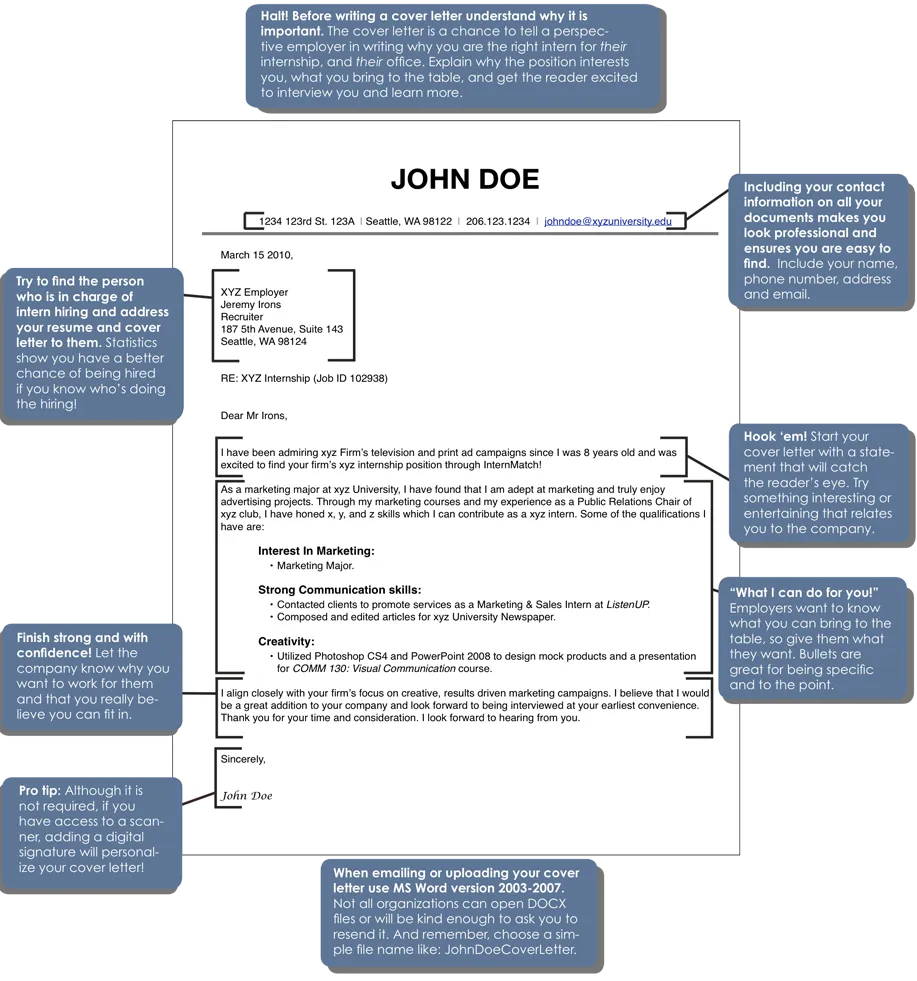
A cover letter is a crucial part of your job application package. It’s your first impression, a chance to showcase your personality, and highlight why you’re the perfect fit for the role. However, crafting a compelling cover letter can be challenging. This guide provides comprehensive cover letter examples and step-by-step instructions to help you write a standout cover letter that grabs the employer’s attention and lands you an interview. This article covers various examples, from entry-level to mid-career and industry-specific, to help you get started. Each example serves as a blueprint for your job search.
What is a Cover Letter
A cover letter is a one-page document you submit with your resume when applying for a job. Unlike your resume, which provides a factual overview of your skills and experience, a cover letter allows you to express your personality, enthusiasm, and specific reasons for wanting the job. It should explain why you’re interested in the company, what you can offer, and how your skills align with the job requirements. Cover letters allow you to tell a story about how you meet the job’s requirements. It is your chance to showcase your unique qualities and make a personal connection with the hiring manager.
Why Cover Letters Matter
In today’s competitive job market, a well-written cover letter can significantly increase your chances of getting an interview. It provides a more complete picture of your qualifications and can help you stand out from other applicants. Many employers consider a cover letter to be a critical part of the application process. It reveals your writing skills, attention to detail, and your genuine interest in the position. Without a cover letter, you might miss the opportunity to make a strong first impression and highlight the aspects of your resume that are most relevant to the job.
Cover Letter Examples Section

The key to a good cover letter is to tailor it to each job application. Here are several examples for different experience levels and industries. Use these examples as templates to help you construct your own personalized cover letter, focusing on your skills, experience, and accomplishments. Remember to adjust the examples to your specific situation and the requirements of the job you are applying for. Adapt the tone and content to match the company’s culture. These examples should serve as a solid starting point for you to produce a great cover letter.
Entry-Level Cover Letter Example
This example is designed for candidates with little to no professional experience, such as recent graduates or those changing careers. The focus is on transferable skills, academic achievements, and any relevant internships or volunteer work. The goal is to demonstrate potential and enthusiasm for the role. When writing an entry-level cover letter, it is important to emphasize your willingness to learn and your ability to quickly adapt. Always refer to the job description to identify the required qualifications. Show how your skills and experiences align with the specific needs of the position. This is a strong way of gaining attention from the employer.
Key Elements of an Entry-Level Cover Letter
An effective entry-level cover letter includes a clear introduction stating the position you are applying for and where you saw the job posting. Highlight your interest in the company and what attracts you to the role. The body should emphasize skills gained through education, projects, or extracurricular activities. This should be in line with the job description. Conclude with a strong closing, reiterating your enthusiasm and including a call to action. Express your eagerness to learn more and your belief in your ability to contribute to the company’s success.
Highlighting Relevant Skills

Focus on the skills that the employer is seeking. These skills may include teamwork, communication, problem-solving, or technical skills. Provide specific examples of how you’ve demonstrated these skills in your past experiences. These examples can come from academic projects, volunteer work, or part-time jobs. Show how your skills translate to the job requirements, and emphasize your ability to quickly learn and adapt. Make sure to use keywords from the job description to show that you have the required skills to thrive in the role.
Quantifying Achievements
Whenever possible, quantify your achievements. This can include grades, project results, or any metrics that demonstrate your capabilities. For example, if you improved a process, state the percentage of improvement. If you were part of a project team, mention any specific achievements. Even small accomplishments can be impactful if presented with numbers. Quantifying your achievements helps to show the tangible value that you bring to a role. It provides solid evidence of your abilities and your potential impact on the company.
Mid-Career Cover Letter Example
This example targets candidates with several years of professional experience. The focus is on showcasing your career progression, leadership abilities, and significant accomplishments. Use this to show the results and impact of your work. The goal is to show how your experiences make you a valuable asset to the company. Emphasize your skills and your experience. Use specific examples to prove how you have contributed to the success of a previous employer. It is also important to include any professional development activities you have completed.
Tailoring the Mid-Career Cover Letter

Tailor your cover letter to each job by highlighting the skills and experience most relevant to the role. Carefully review the job description and identify the key requirements. Then, focus on your past experiences that match those requirements. Use specific examples to show how you have demonstrated those skills and achieved results. Tailoring your cover letter can increase the likelihood of receiving an interview, because it demonstrates that you have taken the time to understand the needs of the company. Take the time to tailor your cover letter to the job description.
Showcasing Leadership Experience
If you have leadership experience, highlight this in your cover letter. Describe your leadership roles, and showcase your ability to manage teams, make decisions, and drive results. Use examples to illustrate your leadership skills, such as leading a project or mentoring team members. Quantify your accomplishments, such as the percentage of improvement or a specific outcome. Highlighting your leadership experience can demonstrate your ability to take on greater responsibilities. Always remember to adapt your cover letter to the job description.
Cover Letter Examples for Specific Industries
Certain industries may require specific skills or qualifications. Here are a few examples. Use the examples to develop your own cover letters. When writing a cover letter for a specific industry, consider what qualities are essential to succeed in the sector. Adapt your writing style to match the specific industry’s culture. This will help to illustrate your understanding of the industry and your desire to be a part of it. Tailor the letter to the job description.
Cover Letter Examples for Marketing

Marketing cover letters should emphasize your understanding of marketing principles and your experience in developing and executing marketing campaigns. Showcase your ability to analyze data, create compelling content, and manage social media. Use examples from past campaigns to highlight your successes. Include relevant keywords, like SEO, social media marketing, or content creation. Tailor your cover letter to highlight your most relevant skills and experiences. Your goal is to convince the employer that you have the skills to get results.
Cover Letter Examples for Tech
Tech cover letters should highlight technical skills, project experience, and problem-solving abilities. Focus on your experience with specific programming languages, software, or technologies. Emphasize your ability to contribute to the company’s technological advancements. Mention any relevant certifications, projects, or contributions to open-source projects. Make sure to highlight the projects you have worked on. Tailor your cover letter to the specific job requirements. Be sure to emphasize your knowledge of tech to help you stand out.
Cover Letter Examples for Finance
Finance cover letters should emphasize your financial skills, analytical abilities, and experience in the financial industry. Highlight your understanding of financial statements, budgeting, and financial analysis. Include any relevant certifications, such as CFA or CPA. Use specific examples to demonstrate your ability to manage financial risks and improve financial performance. Be sure to show that you can meet the requirements that are listed in the job description. Tailor your cover letter to the specific finance role.
How to Write a Great Cover Letter

Writing a great cover letter involves several key steps. Always start with a professional salutation, and address the hiring manager by name if possible. The body should be concise, with a focus on your key skills, experiences, and how they align with the job requirements. Tailor the content to each job application. Remember to highlight your key accomplishments with specific examples. Be sure to include a call to action at the end, where you express your interest in an interview. By following these steps, you can produce a winning cover letter.
Researching the Company
Before writing your cover letter, research the company. Visit their website, read their mission statement, and learn about their products or services. Understanding the company’s values and goals will help you tailor your cover letter. When you understand the company’s needs, you can better demonstrate how your skills and experience align with their needs. Researching the company helps you write a relevant cover letter. Tailor your cover letter to the specific needs of the company.
Formatting and Tone
Use a professional tone and format your cover letter correctly. The format should include a header with your contact information, a salutation, a body with several paragraphs, and a closing with your signature. Keep the tone professional, enthusiastic, and confident. Avoid jargon or overly casual language. The language should reflect your attention to detail. Always tailor the tone and format to the company’s culture. The formatting should be neat and easy to read. Use a professional font, like Times New Roman or Arial.
Proofreading and Editing

Proofread and edit your cover letter carefully before submitting it. Check for grammatical errors, spelling mistakes, and typos. Make sure your sentences are clear and concise. Read your cover letter aloud to identify any awkward phrasing. If possible, ask someone else to review your cover letter. Proofreading is essential, and you can have another set of eyes to ensure that the cover letter is mistake-free. Proofreading increases the chances of a positive impression. A mistake-free cover letter reflects your attention to detail.
Common Cover Letter Mistakes
There are common mistakes to avoid when writing a cover letter. Make sure you address the hiring manager by name. Do not use generic salutations, such as “To Whom It May Concern”. Avoid copying and pasting from other cover letters. Ensure your cover letter has a clear focus and doesn’t repeat your resume. Do not make any spelling or grammar mistakes. These mistakes can have a significant impact on your chances of receiving an interview. Review the cover letter to eliminate mistakes before submitting.
In conclusion, a well-crafted cover letter is essential for making a strong impression and securing an interview. Use the examples in this guide to help you craft a personalized cover letter that highlights your unique qualifications and experience. Remember to always tailor your cover letter to each job application and carefully proofread your work before submitting. By following these guidelines, you can significantly increase your chances of landing your dream job. With a compelling cover letter, you can show the hiring manager the value that you offer.