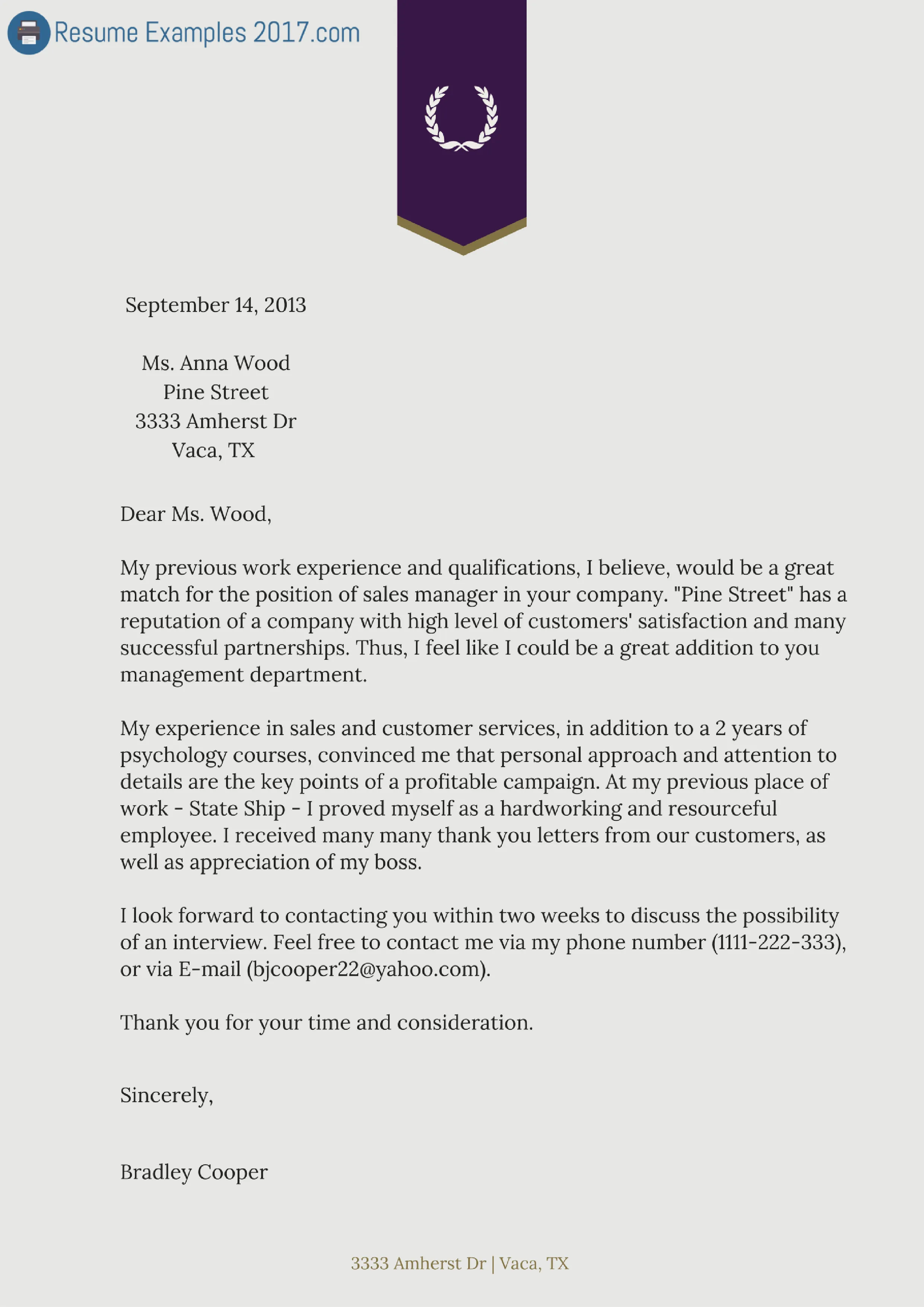
What is a Cover Letter
A cover letter is a crucial document that accompanies your resume when applying for a job. It serves as a personal introduction, allowing you to highlight your skills, experience, and interest in the specific position and company. Unlike a resume, which provides a factual overview of your qualifications, a cover letter gives you the opportunity to express your personality and explain why you are the ideal candidate. It’s your chance to make a strong first impression and persuade the hiring manager to read your resume.
Why Is a Cover Letter Important
A well-crafted cover letter is important for several reasons. It demonstrates your communication skills, which are essential in most professional settings. It allows you to tailor your application to the specific job and company, showing that you’ve done your research and understand their needs. A cover letter also helps you explain any gaps in your resume or address any concerns a hiring manager might have. Furthermore, it gives you the opportunity to showcase your enthusiasm and passion for the role, setting you apart from other applicants.
Cover Letter vs. Resume

While both a cover letter and a resume are essential components of your job application, they serve different purposes. The resume provides a concise summary of your work history, skills, education, and accomplishments. It’s a factual document that presents your qualifications in a clear and organized manner. The cover letter, on the other hand, is a more narrative document. It allows you to elaborate on your qualifications, explain your interest in the position, and demonstrate how your skills and experience align with the company’s needs. The resume tells what you’ve done; the cover letter explains why it matters.
Key Components of a Cover Letter
A strong cover letter typically includes several key components that work together to create a compelling narrative. The header contains your contact information and the date. Next comes the recipient’s information, including the hiring manager’s name and title. The salutation sets the tone for your letter. The body paragraphs are where you highlight your purpose, skills, and personality. Finally, the closing reiterates your interest and calls for action, such as requesting an interview. Each component plays a vital role in conveying your message effectively.
Header of Your Cover Letter
The header of your cover letter is the first element the hiring manager will see, so it’s important to get it right. It should include your full name, address, phone number, and email address. Ensure the formatting is professional and easy to read. The header sets the stage for the rest of your letter, so make sure it reflects a professional image. Consider using a simple, clean font and maintaining consistent formatting with your resume to create a cohesive brand.
Recipient’s Information

Always address your cover letter to a specific person. Research the hiring manager’s name and title, if possible. Addressing the letter to a specific person shows that you’ve taken the time to learn about the company and the role. If you can’t find a specific name, try using a title like ‘Hiring Manager’ or ‘Recruiting Team’. Avoid generic salutations like ‘To Whom It May Concern,’ as they can make your letter feel impersonal.
Your Contact Information
Your contact information, placed in the header, should be accurate and up-to-date. Include your phone number and a professional email address. Make sure to check your voicemail regularly and respond promptly to any emails. This information is essential for the hiring manager to contact you for an interview or further communication. Double-check all details to ensure there are no errors.
Salutation
The salutation is your opening greeting. Use ‘Dear Mr./Ms./Mx. [Last Name]’ if you know the hiring manager’s name. If you don’t know the name, use a professional greeting such as ‘Dear Hiring Manager’ or ‘Dear [Department Name] Team’. Avoid casual greetings and make sure your salutation aligns with the tone of the company culture and the role you are applying for. A well-chosen salutation sets a positive tone for the rest of the letter.
Body Paragraph 1 State Your Purpose

The first body paragraph should clearly state the purpose of your letter — that is, the specific job you are applying for and where you found the job posting. Briefly mention how your skills and experience align with the job requirements. This paragraph should immediately grab the reader’s attention and make them want to learn more about you. Keep it concise and to the point, setting the stage for the rest of your cover letter.
Body Paragraph 2 Highlight Your Skills
The second body paragraph should highlight your key skills and how they relate to the job requirements. Refer to the job description and identify the skills and qualifications the employer is seeking. Provide specific examples of your accomplishments and experiences that demonstrate these skills. Quantify your achievements whenever possible. For example, instead of saying ‘Improved customer satisfaction,’ say ‘Increased customer satisfaction by 15%.’ Use action verbs to describe your accomplishments and use language that is specific to the industry and role.
Body Paragraph 3 Showcase Your Personality
Use the third body paragraph to showcase your personality and explain why you are a good fit for the company culture. This is your opportunity to express your enthusiasm and passion for the role and the company. Briefly mention something that excites you about the opportunity or the company’s mission. Show how your values align with the company’s values. Personalize your cover letter to make it unique and memorable, so the hiring manager understands who you are and why you want to be a part of the organization.
Call to Action Encourage Action

The closing paragraph should include a call to action, inviting the hiring manager to take the next step. Express your eagerness for an interview and provide your contact information again. Make it easy for the hiring manager to reach you. You could also state that you are available for an interview at their earliest convenience. Reiterate your interest in the position and thank the hiring manager for their time and consideration. Always end your letter with a professional closing such as ‘Sincerely’ or ‘Best regards’.
Closing
Your closing should be professional and courteous. Use a standard closing like ‘Sincerely,’ ‘Best regards,’ or ‘Thank you.’ After your closing, leave a space for your signature (if submitting a printed copy) and type your full name. Make sure the closing aligns with the overall tone of your cover letter. The closing is the final impression you leave with the hiring manager.
Cover Letter Examples by Industry
Cover letters should be tailored to the specific industry you are applying to. For example, a cover letter for a marketing position will focus on skills related to marketing campaigns, data analysis, and brand strategy. A cover letter for a finance position will emphasize skills in financial analysis, budgeting, and risk management. Research industry-specific terminology and tailor your letter to the specific requirements and expectations of the industry. Consider examples from your field to learn the best practices.
Cover Letter Examples for Marketing

Marketing cover letters often highlight creativity, communication skills, and an understanding of marketing strategies. Include examples of successful marketing campaigns you’ve worked on, highlighting metrics like increased website traffic, lead generation, or sales. Showcase your knowledge of marketing tools and platforms such as Google Analytics, SEO, and social media management. Use strong action verbs to show your impact on marketing strategies.
Cover Letter Examples for Finance
Finance cover letters should demonstrate your analytical skills, attention to detail, and knowledge of financial principles. Provide examples of your experience in financial analysis, budgeting, or accounting. Quantify your achievements by mentioning things like the cost savings you have achieved or the accuracy of your financial reporting. Use industry-specific terms and highlight relevant certifications or qualifications such as CPA or CFA.
Cover Letter Examples for Engineering
Engineering cover letters should emphasize your technical skills and your ability to solve problems. Provide examples of projects you have worked on, highlighting your contributions and results. Showcase your knowledge of engineering tools and software. Use action verbs to describe your skills and accomplishments. Quantify your achievements whenever possible, for example, improvements to efficiency or cost savings on projects.
Cover Letter Examples for Education

Education cover letters should highlight your teaching experience, lesson planning skills, and ability to create a positive learning environment. Provide examples of your classroom management techniques and your ability to work with students of different abilities and backgrounds. Demonstrate your passion for education and your commitment to student success. Mention any specific teaching methodologies or curriculum expertise.
Cover Letter Examples for Entry-Level Positions
Entry-level cover letters should focus on your skills, education, and any relevant experiences, even if they come from internships or volunteer work. Highlight your eagerness to learn and your enthusiasm for the role and the company. Demonstrate your transferable skills, such as communication, problem-solving, and teamwork. Focus on the skills you have acquired in school and other activities. Tailor your letter to the specific requirements of the job.
Cover Letter Examples for Experienced Professionals
Experienced professionals should leverage their cover letters to highlight their significant accomplishments, leadership skills, and relevant industry knowledge. Provide specific examples of how you’ve made a positive impact in previous roles, quantifying your achievements whenever possible. Showcase your ability to manage teams, drive results, and handle complex projects. Focus on the skills and experiences that best align with the requirements of the target role.
Formatting and Design Tips
Formatting and design are essential for creating a professional and readable cover letter. Make sure your cover letter is visually appealing and easy to read. Use a simple, clear font and maintain consistent formatting throughout the document. Proper formatting makes your letter easier to scan and more likely to be read by the hiring manager. Using these tips will help you stand out from the crowd.
Font and Font Size
Choose a professional and readable font, such as Times New Roman, Arial, or Calibri. Use a font size between 10 and 12 points. Ensure that your font size is easy to read. Avoid using overly stylized fonts or fonts that are difficult to read. Keep the font size consistent throughout the entire cover letter to create a polished look.
Margins and Spacing
Use 1-inch margins on all sides of your cover letter to create white space. This makes the document more visually appealing and easier to read. Use single-spacing within paragraphs and double-spacing between paragraphs. Proper spacing helps to separate your content and improve readability. Maintain consistent spacing throughout the entire document. The goal is to provide a balance of text and white space to make the letter easy to scan and digest.
Grammar and Spelling
Thoroughly check your cover letter for grammar and spelling errors. Errors can make your letter look unprofessional and damage your credibility. Use a spell checker and grammar checker. Ask a friend or family member to proofread your letter for you. Pay close attention to punctuation, capitalization, and sentence structure. Make sure your language is clear and concise. Use correct grammar and spelling to present yourself in the best possible light.
Proofreading
Proofread your cover letter multiple times to catch any errors. Read it aloud to yourself. Proofreading helps ensure that your letter is polished and error-free. Make sure your sentences flow logically and that your message is clear. If possible, have someone else proofread your cover letter for you. A fresh pair of eyes can often catch errors you might have missed. Proofreading ensures the quality of your cover letter.
Tips to Make Your Cover Letter Stand Out
To make your cover letter stand out from the competition, you need to go the extra mile. Customizing your cover letter for each job application, using strong action verbs, quantifying your achievements, and showing enthusiasm and passion can make a difference in the hiring manager’s decision. Use every opportunity to set yourself apart and show that you are the ideal candidate. Stand out through the tips below.
Customize Each Cover Letter
Customize each cover letter to match the specific requirements of the job and the company. Don’t use a generic template. Personalize your letter by mentioning the company by name, explaining why you are interested in the specific position, and highlighting your relevant skills and experiences. Research the company and tailor your letter to their needs and culture. Demonstrate that you have taken the time to learn about the role and the organization. Show that you understand the company’s goals and that you can contribute to its success.
Use Strong Action Verbs
Use strong action verbs to describe your accomplishments and responsibilities. Action verbs make your writing more dynamic and engaging. Start each bullet point or sentence with a powerful action verb, such as ‘Managed,’ ‘Led,’ ‘Developed,’ ‘Implemented,’ or ‘Achieved.’ Action verbs help to convey your achievements and highlight your skills more effectively. This approach helps to make your accomplishments more compelling.
Quantify Your Achievements
Quantify your achievements by providing specific numbers and data to demonstrate your impact. Instead of saying ‘Improved sales,’ say ‘Increased sales by 20% in one quarter.’ Quantifying your achievements provides concrete evidence of your skills and accomplishments. Use numbers, percentages, or dollar amounts to illustrate your impact. Use data to show what you have achieved and the value you bring to the table.
Show Enthusiasm and Passion
Show enthusiasm and passion for the role and the company. Express your genuine interest in the opportunity and demonstrate why you are excited about the possibility of joining the team. Explain what appeals to you about the company’s mission, values, or culture. Show that you’ve researched the company and understand its goals. Your enthusiasm can make a lasting impression and can help you stand out from other candidates. Let your personality shine through the cover letter.