What is a Cover Letter and Why You Need One
A cover letter is your first opportunity to introduce yourself to a potential employer and make a strong impression. It’s a concise document accompanying your resume, providing context to your application and highlighting why you’re the perfect fit for the role. Unlike a resume that lists your qualifications, a cover letter tells a story, showcasing your personality, enthusiasm, and understanding of the company and the specific job you are applying for. In today’s competitive job market, a well-crafted cover letter can significantly increase your chances of landing an interview, setting you apart from other applicants and demonstrating your genuine interest in the position and the organization. A cover letter is far more than just a formality it’s your chance to make a lasting first impression.
Cover Letter Essentials
To create a compelling cover letter, you need to understand its fundamental components. The essentials include a professional format, a clear and concise structure, and a tone that reflects your personality while maintaining professionalism. Your cover letter should be tailored to the specific job and company, showcasing your understanding of their needs and how your skills and experience align. Always begin with a strong opening that grabs the reader’s attention and clearly states the position you are applying for and how you discovered the opportunity. Remember, a well-written cover letter is a powerful tool that can make a significant difference in your job search.
Formatting Your Cover Letter

The formatting of your cover letter is critical to its readability and overall professional appearance. Use a standard business letter format with a professional font like Times New Roman, Arial, or Calibri in a size of 11 or 12 points. Set your margins to one inch on all sides. Keep your cover letter to one page, making sure the text is well-spaced. Include your contact information at the top, followed by the date and the hiring manager’s contact information. Use clear headings and bullet points to make your letter easy to scan. Proofread meticulously for any typos or grammatical errors to ensure a polished and professional final product.
Key Components of a Cover Letter
A well-structured cover letter consists of several key components that work together to present you as a qualified candidate. These include a header with your contact information, a professional salutation, an engaging opening paragraph, body paragraphs that highlight your skills and experience, a closing paragraph with a call to action, and a professional closing. Each component should serve a specific purpose in conveying your qualifications, demonstrating your enthusiasm, and prompting the reader to take the next step. By carefully crafting each component, you can create a cover letter that makes a memorable impression.
Header and Contact Information
The header of your cover letter should include your full name, address, phone number, and email address. This information allows the hiring manager to easily contact you if they are interested in your application. It is customary to place this information at the top left or right corner of the page. Following your contact information, include the date, and then the hiring manager’s name and title, if known, as well as the company’s address. This demonstrates professionalism and attention to detail, which are essential qualities for any potential employee. Ensure your email address is professional.
The Salutation

The salutation sets the tone for your cover letter. If possible, address the hiring manager by name using ‘Dear Mr. or Ms. Last Name.’ If you cannot find the hiring manager’s name, use a professional greeting such as ‘Dear Hiring Manager’ or ‘Dear [Department Name] Hiring Team.’ Avoid generic salutations such as ‘To Whom It May Concern’ or ‘Dear Sir/Madam’ as they can come across as impersonal. Always ensure the salutation matches the tone and formality of the company and the position you are applying for.
Writing the Body of Your Cover Letter
The body of your cover letter is where you showcase your skills, experience, and interest in the role. The body should be divided into well-structured paragraphs. Each paragraph should focus on a specific aspect of your qualifications and how they align with the job requirements. Use concise and clear language, avoiding jargon or overly complex sentences. Focus on demonstrating how you have added value in your previous roles. Provide examples of your accomplishments using the STAR method (Situation, Task, Action, Result) to make your points more concrete and impactful. Use keywords from the job description to show you’re a good match.
Opening Paragraph
The opening paragraph should immediately grab the reader’s attention and clearly state the position you are applying for. Mention where you found the job posting (e.g., LinkedIn, company website). Briefly explain why you are interested in the role and the company. Express your enthusiasm for the opportunity and what you hope to achieve in the role. The opening should provide a snapshot of your intent and set the tone for the rest of the letter. Keep it brief, compelling, and directly address the hiring manager.
Highlighting Your Skills and Experience

In the body paragraphs, provide specific examples that demonstrate your skills and experience relevant to the job description. Focus on what you have achieved in previous roles, quantify your accomplishments whenever possible using numbers or data. Use action verbs to describe your responsibilities and achievements (e.g., managed, led, improved, increased). Explain how your skills and experiences align with the specific needs of the company and the job. Showcase your unique value proposition and how you can contribute to the company’s success. The goal is to provide concrete evidence of your abilities.
Connecting Your Skills to the Job Requirements
Carefully review the job description and identify the key skills and requirements. In your cover letter, directly address each of these requirements by explaining how your skills and experience align with them. Provide specific examples to demonstrate that you have the necessary abilities. Tailor your language to match the job description and use keywords to show you are a good fit. Explain your understanding of the company’s needs and how you can help solve their challenges. Show that you have researched the company and understand its values and mission.
Closing Paragraph and Call to Action
The closing paragraph should reiterate your interest in the role and thank the hiring manager for their time and consideration. Include a call to action, such as expressing your enthusiasm for an interview and providing your contact information again. Keep it concise and professional. Avoid being overly assertive but do express your confidence in your ability to contribute to the company. End with a polite and professional closing.
The Closing

The closing should be a polite and professional phrase that signals the end of your cover letter. Use phrases such as ‘Sincerely’, ‘Best regards’, or ‘Thank you for your consideration.’ Ensure that you have a proper signature below the closing if you are sending a physical letter. Reiterate your contact information so the hiring manager can easily reach you. Always proofread the closing for any errors or typos before submitting your cover letter.
Cover Letter Examples and Templates
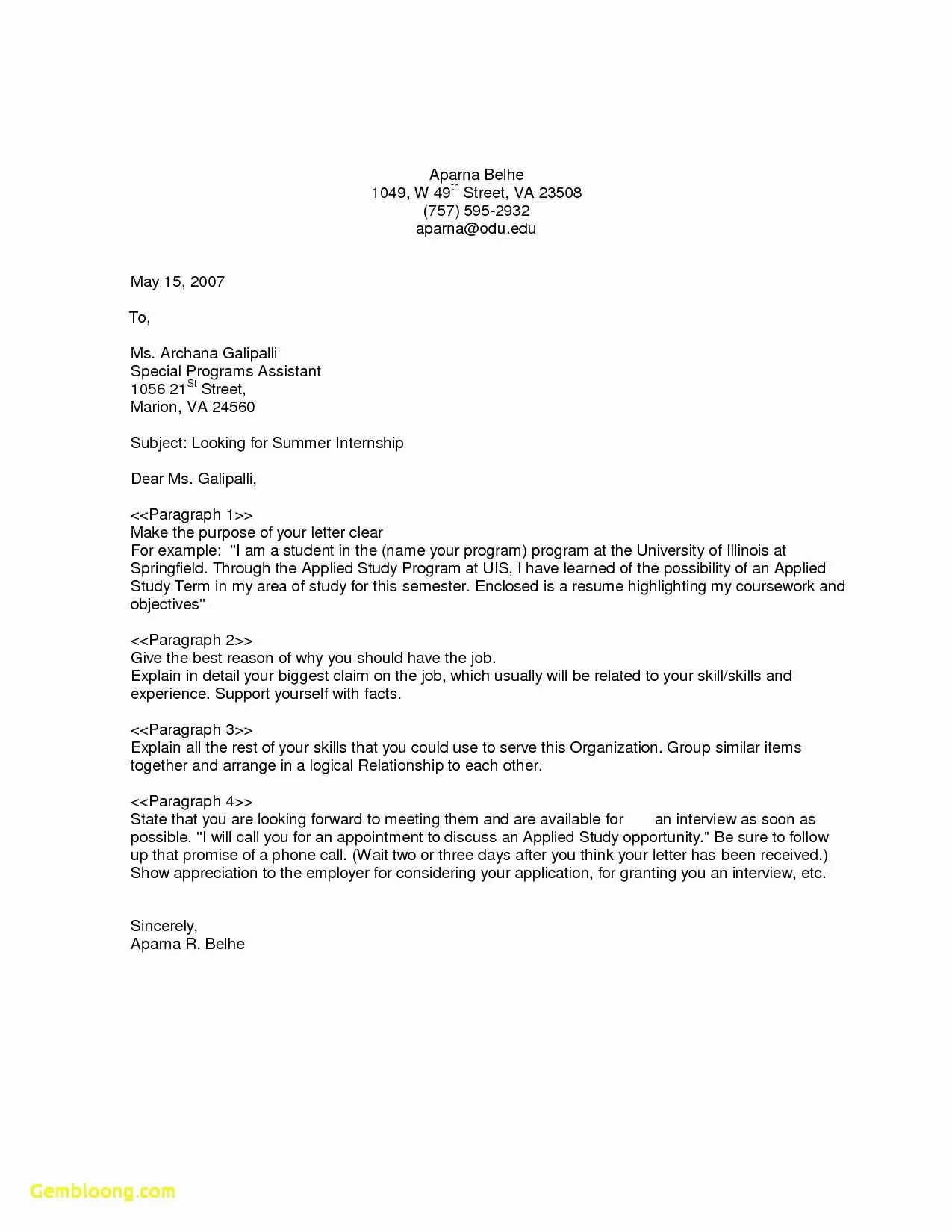
Reviewing cover letter examples and using templates can be incredibly helpful in creating your own. Many resources are available online, from general templates to industry-specific examples. When using a template, make sure to customize it to fit your specific situation and the job you are applying for. Tailoring the template to your skills and the company’s needs is crucial for showing your genuine interest and making a strong impression. Look at how others have highlighted their accomplishments and adapted the language to match the job requirements, this will help you create a polished and effective cover letter.
General Cover Letter Template
A general cover letter template provides a basic structure that can be adapted to various job applications. It typically includes a header with your contact information, a salutation, an opening paragraph that states the position and your interest, body paragraphs that highlight your skills and experience, a closing paragraph that reiterates your interest, and a professional closing. When using a general template, tailor it to the specific job requirements and the company’s values. Customize each section with specific details about your experience, skills, and how you can contribute to the company. This is important, as a customized cover letter showcases your understanding of the role.
Customizing Your Cover Letter for Each Application

Customizing your cover letter for each job application is essential. This means tailoring the content to match the specific requirements, the company’s values, and the job description. Research the company and the role to understand their needs and highlight how your skills and experience align with those requirements. Use the language and keywords from the job description to show you are a good fit. Avoid sending generic cover letters; instead, show the hiring manager that you have taken the time to understand the role and the company. It shows you care and are serious about getting the job. This personalization significantly increases your chances of being noticed and selected for an interview.
Cover Letter Mistakes to Avoid
Avoiding common mistakes in your cover letter is critical to making a good impression. This involves paying attention to formatting, content, and tone. By avoiding the following common pitfalls, you can ensure your cover letter showcases your qualifications and interest in the role effectively. Carefully review your cover letter before submitting.
Typos and Grammatical Errors
Typos and grammatical errors can undermine your credibility and make a negative impression on the hiring manager. Always proofread your cover letter carefully to catch any mistakes. Use a spell checker and grammar checker, but also read the letter aloud to identify errors that may be missed by automated tools. Have a friend or colleague review your cover letter to provide a fresh perspective and catch any errors you might have missed. Ensure accuracy in your cover letter.
Generic Cover Letters

Sending a generic cover letter that is not tailored to the specific job and company can indicate a lack of interest or attention to detail. Customize each cover letter to match the specific requirements, company values, and job description. Show the hiring manager that you have taken the time to understand the role and the company’s needs. Highlight how your skills and experience align with the job requirements, and avoid using generic phrases or clichés. Instead, write in a way that expresses your understanding of the role.
Not Tailoring to the Specific Job
Failing to tailor your cover letter to the specific job is a common mistake that can lead to your application being overlooked. Review the job description carefully and identify the key skills, qualifications, and requirements. Then, in your cover letter, highlight how your skills and experience align with those requirements. Provide specific examples from your previous roles. It shows your genuine interest in the role. By personalizing your cover letter for each application, you demonstrate your understanding of the company’s needs. This personalized approach greatly increases your chances of success.
Length Considerations
Keeping your cover letter concise is very important. The ideal length for a cover letter is one page. Avoid writing long, rambling paragraphs that make it difficult for the hiring manager to understand your qualifications. Focus on highlighting your key skills and experiences while providing concise examples. Use clear language and bullet points to break up the text and make it easy to scan. Remember, the goal of your cover letter is to make a strong first impression and encourage the hiring manager to read your resume. Keep it short and to the point.
Proofreading and Editing Your Cover Letter

Proofreading and editing your cover letter is crucial. It will make your writing clear and professional. Always proofread your cover letter multiple times to catch any typos, grammatical errors, or inconsistencies in formatting. Read your cover letter aloud to identify any awkward phrasing or unclear sentences. Ask a friend or colleague to review your cover letter, to provide a fresh perspective and identify any errors. Ensure that your contact information and any other details are accurate. A well-proofread cover letter is a reflection of your attention to detail and professionalism.