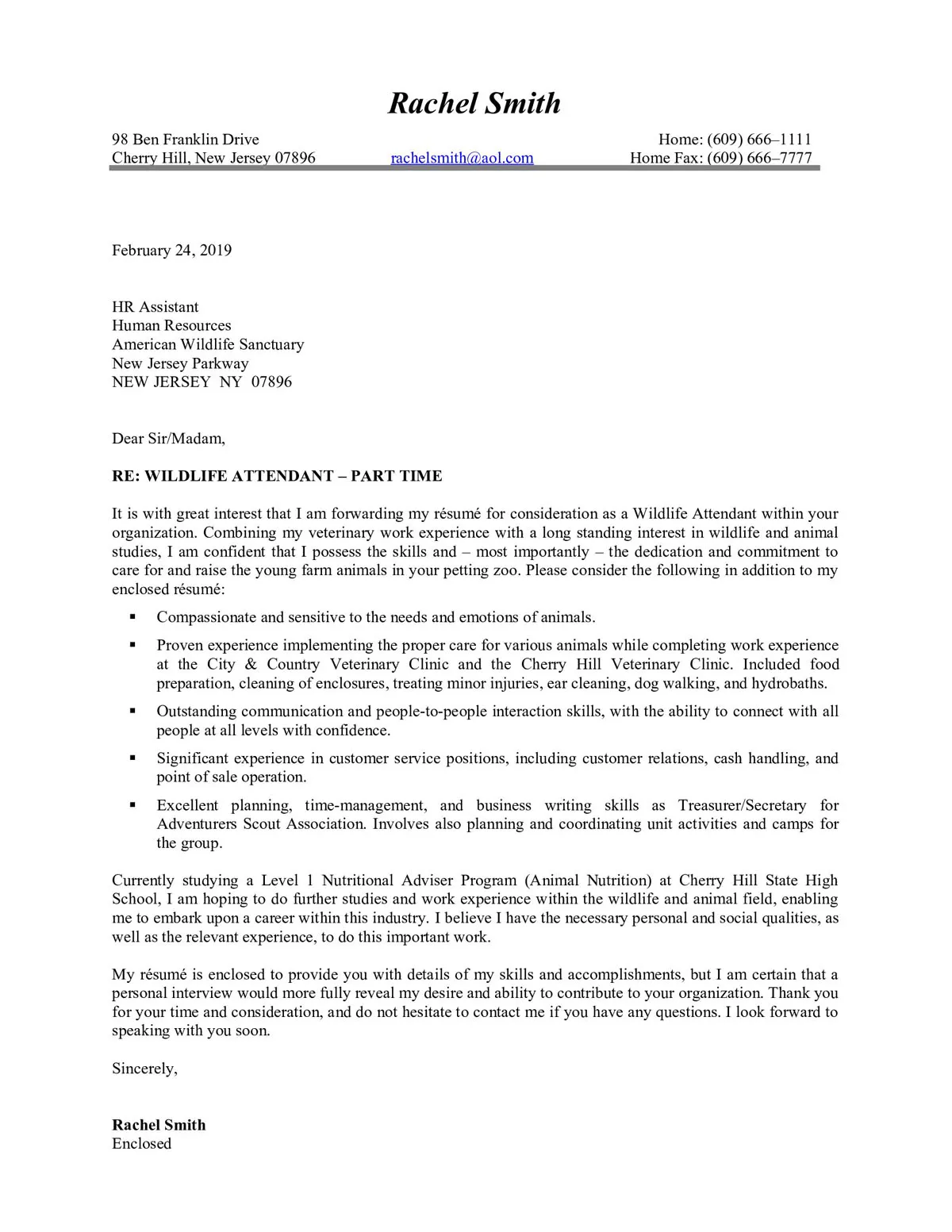
Crafting a Cover Letter with No Experience
Landing your dream job might seem daunting, especially when you’re facing the job market with little to no professional experience. However, a well-crafted cover letter can be your secret weapon. It is your opportunity to highlight your potential, passion, and the unique value you bring to the table. This guide breaks down how to create a cover letter that shines, even without a traditional employment history. A cover letter is more than just a formality; it’s your first interaction with a potential employer. It allows you to make a strong first impression and differentiate yourself from other applicants. By focusing on what you can offer, you can demonstrate that your skills and enthusiasm make you the ideal candidate, regardless of your experience level. The key is to frame your cover letter to demonstrate your strengths and potential.
Highlighting Transferable Skills
Even if you lack direct work experience, you likely possess transferable skills gained through other activities like volunteering, academic projects, extracurricular involvement, or personal endeavors. Transferable skills are versatile abilities applicable across various roles and industries. Examples include communication, problem-solving, teamwork, time management, and leadership. Identify the skills most relevant to the job description and emphasize how you’ve utilized them. For example, if a role requires project management skills, highlight your experience in organizing a school project or leading a club. The ability to identify and articulate these skills is crucial in showing employers your capabilities.
Identifying Relevant Skills for the Job

Carefully review the job description to pinpoint the skills and qualifications the employer seeks. Make a list of these requirements and assess which ones you already possess or have developed through different avenues. Consider how your skills align with the job’s needs. If the job emphasizes customer service, draw on experiences where you interacted with the public or resolved conflicts. Customize your cover letter to directly address the employer’s requirements, showcasing how your abilities meet their needs. By doing so, you demonstrate your understanding of the role and your capacity to contribute effectively.
Showcasing Soft Skills
Soft skills, also known as interpersonal or people skills, are highly valued by employers. These skills define how you interact with others and approach your work. Highlight your soft skills, like communication, teamwork, adaptability, and problem-solving. Provide specific instances where you’ve demonstrated these skills. For example, describe how you successfully collaborated on a team project or resolved a conflict in a volunteer setting. Show, don’t just tell the reader. Use concrete examples to demonstrate your ability to work effectively with others and navigate workplace challenges. Soft skills are critical to overall success and can significantly enhance your cover letter’s impact.
Demonstrating Enthusiasm and Interest
Employers want to see that you are genuinely interested in the position and the company. Your cover letter is a fantastic opportunity to show that you are excited about the role and the opportunity. Research the company and mention specific aspects that appeal to you, such as its mission, values, or recent projects. Explain why this position interests you, and connect your goals and aspirations with the company’s objectives. Showing genuine enthusiasm can set you apart. When you express genuine enthusiasm, you make a positive impression. Your excitement can signal your eagerness to learn and contribute to the team. Let your personality shine through and express your passion.
Researching the Company and Position

Conduct thorough research on the company and the specific role. Explore the company’s website, social media profiles, and recent news articles to gain a deep understanding of its activities, culture, and values. This knowledge will enable you to tailor your cover letter to meet the company’s specific requirements. Analyze the job description meticulously to identify the essential qualifications and skills. By showing that you’ve invested time in researching the company and position, you demonstrate initiative and genuine interest. This effort makes your application more personalized and compelling.
Tailoring Your Letter to Each Application
Avoid sending generic cover letters. Tailor each letter to the specific job and company. Highlight the most relevant skills and experiences from your background that align with the job description. Customize your letter to demonstrate that you understand the company’s needs and that you are the ideal candidate. Personalized cover letters show that you’ve invested time and thought into your application. Generic letters signal a lack of effort and attention to detail. When you tailor your letter, you make a compelling case for why the company should hire you. This level of personalization significantly enhances your application’s impact.
Formatting Your Cover Letter
The appearance of your cover letter is just as important as its content. Use a professional and easy-to-read font, such as Arial or Times New Roman, with a font size of 11 or 12 points. Maintain consistent formatting throughout the letter, with appropriate spacing and margins. Structure your letter into clear sections, including an introduction, body paragraphs, and a conclusion. Proofread your cover letter for any spelling or grammatical errors. A well-formatted cover letter demonstrates attention to detail and professionalism. A clean and organized layout makes it easier for the hiring manager to read and understand your qualifications. Avoid using overly creative or elaborate designs, as they can be distracting. Simple is often best.
Using Action Verbs Effectively

Start your sentences with strong action verbs to make your letter more compelling and impactful. Action verbs, such as ‘managed,’ ‘developed,’ ‘implemented,’ ‘achieved,’ and ‘collaborated,’ provide a vivid picture of your skills and accomplishments. Quantify your achievements whenever possible. For instance, instead of saying, “Improved customer satisfaction,” you might say, “Increased customer satisfaction by 15% through improved communication.” Action verbs help convey your skills and abilities efficiently. They make your cover letter dynamic and engaging. Using them can showcase your strengths and accomplishments concisely and powerfully.
Structuring Your Cover Letter
A well-structured cover letter guides the reader through your key qualifications and experiences. Start with a compelling opening that immediately grabs the reader’s attention. In the body of your letter, elaborate on your skills, experiences, and why you’re interested in the position. Conclude with a strong call to action that encourages the employer to contact you for an interview. Use concise and clear language to convey your ideas effectively. Divide your letter into clear paragraphs to make it easy to read and digest. Structure is essential for clarity and impact. A well-organized structure showcases your ability to communicate your thoughts.
Writing a Compelling Opening
Your opening paragraph is your chance to make a strong first impression. Start with a hook that grabs the reader’s attention. Express your enthusiasm for the position and the company. Briefly state why you are a good fit, and clearly indicate the position you are applying for. Avoid generic introductions, and show you’ve personalized your letter to the role. The opening sets the tone. A well-crafted opening can make your letter memorable. It should draw the reader in and encourage them to continue reading.
Elaborating on Your Qualifications

In the body of your cover letter, go into detail about your skills and qualifications. Align your skills with the requirements of the job description. Use specific examples to illustrate your capabilities. Demonstrate how your skills have helped you achieve results in the past, whether in a previous role, school project, or volunteer experience. Show how you plan to apply your skills and qualifications to the new role. The body of your letter should provide concrete evidence of your suitability for the position. This section is where you build your case and show the employer what you bring to the table.
Providing Specific Examples
Use examples to support your claims and demonstrate how you have applied your skills in real-world situations. For instance, instead of stating you’re a good team player, describe a team project where you took on a specific role and achieved a particular outcome. Quantify your achievements whenever possible. For example, “Increased sales by 20%.” Show that your skills and abilities have translated into tangible results. Your ability to provide detailed examples will reinforce the points you want to make. Specific examples make your claims believable and allow the employer to better understand your capabilities. Concrete examples showcase your skills and abilities effectively.
Concluding with a Strong Call to Action
Your conclusion should reiterate your interest in the position and the company. Express your eagerness to discuss your qualifications further. Include a clear call to action. This might involve stating that you are available for an interview and providing your contact information again. Thank the employer for their time and consideration. A strong call to action encourages the employer to take the next step, increasing the chances of a positive response. The call to action encourages the employer to reach out. It reaffirms your interest and provides the contact information for the interview.
Proofreading and Editing Your Cover Letter

Before you submit your cover letter, carefully proofread and edit it for any errors. Check for spelling mistakes, grammatical errors, and typos. Ensure your sentences are clear, concise, and easy to understand. Ask a friend or career counselor to review your letter for feedback. Ensure your letter is well-organized and formatted correctly. A polished and error-free cover letter demonstrates your attention to detail and professionalism. Errors can undermine your credibility. A well-proofread cover letter significantly increases the chances of making a favorable impression.
In conclusion, crafting a compelling cover letter with no experience requires focus, preparation, and the ability to highlight your transferable skills and enthusiasm. By following these guidelines, you can create a cover letter that stands out and increases your chances of landing an interview. Your cover letter is your chance to shine and to show an employer why you’re the right fit, regardless of your work history. Remember, your cover letter is your first impression, so make it count. With the right approach, you can turn a lack of experience into an advantage.