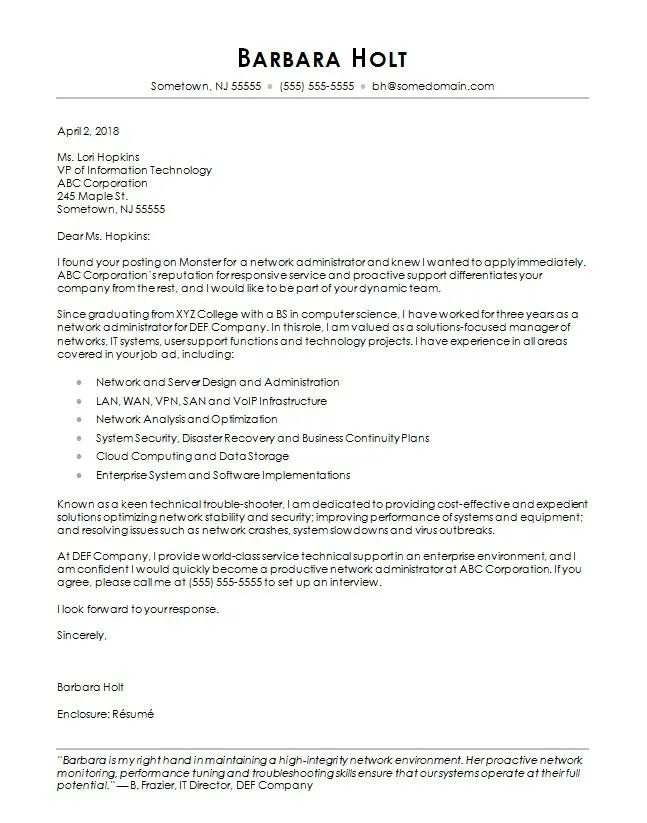
The Importance of a Compelling Cover Letter
In the competitive field of computer science, a well-crafted cover letter is your initial handshake with potential employers. It’s not just a formality; it’s a crucial opportunity to showcase your personality, passion, and suitability for the role beyond what your resume conveys. A strong cover letter can significantly increase your chances of landing an interview, as it provides context to your experience and highlights your unique value proposition. It allows you to connect with the hiring manager on a more personal level and demonstrate your genuine interest in the company and the specific position. Neglecting this vital component of your job application could mean missing out on opportunities, therefore, investing time and effort into writing a compelling cover letter is one of the smartest steps you can take in your job search.
Highlighting Relevant Skills and Experiences
Your cover letter should function as a bridge between your skills and the job requirements. Start by carefully reviewing the job description and identifying the key skills and experiences the employer is seeking. Then, in your cover letter, provide concrete examples of how your past experiences have equipped you with these skills. Quantify your achievements whenever possible. Instead of simply stating you have experience with a particular programming language, explain how you used it to solve a specific problem or contribute to a project. Use action verbs to describe your accomplishments and make your contributions clear and impactful. Ensure you are tailoring each cover letter to the specific job; avoid generic statements that could apply to any position or company. The more specific and relevant you are, the better chance you have of capturing the employer’s attention and securing an interview.
Skills to Showcase for Computer Science Jobs

The world of computer science demands a blend of technical prowess and soft skills. Your cover letter needs to demonstrate both. The technical skills are fundamental, and their importance cannot be understated. However, many candidates possess them, so demonstrating your aptitude for soft skills can set you apart. Consider highlighting communication, teamwork, problem-solving, and time management. Moreover, be ready to present specific examples of when you have applied these skills to achieve your goals. For example, when describing a project, you should specify how your communication helped you explain complex technical information to non-technical stakeholders, or how you have worked in team environments.
Technical Skills
Technical skills form the backbone of any computer science role. Mention the programming languages you are proficient in, such as Python, Java, C++, or JavaScript. Specify any software development tools and platforms you have used, including IDEs (like Eclipse or Visual Studio), version control systems (like Git), and operating systems (like Linux). Also, highlight your experience with databases, data structures, and algorithms. Tailor the technical skills to the specific job requirements. Research the company’s tech stack and make sure to highlight the tools and technologies they use. By showcasing your relevant technical skills, you demonstrate your readiness to perform the duties required by the job.
Soft Skills
While technical skills are crucial, soft skills are equally important. Companies look for candidates who can communicate effectively, work well in teams, and solve problems creatively. Showcase your communication skills by mentioning any presentations you have given, reports you have written, or instances when you explained technical concepts to non-technical audiences. Describe your experience working collaboratively on projects and highlight how you contributed to the team’s success. Give examples of times when you used problem-solving skills to overcome challenges, such as troubleshooting a complex coding issue or debugging software. In short, focus on your ability to articulate thoughts clearly, manage your time efficiently, and resolve conflicts constructively.
Tailoring Your Cover Letter

One of the biggest mistakes in job applications is sending out generic cover letters. Each cover letter should be tailored to the specific role and company you are applying to. This shows the hiring manager that you have done your research and are genuinely interested in the opportunity. A customized cover letter increases your chances of being noticed and considered. Avoid using a generic template and make sure to address the specific requirements of the job description. Customize your cover letter to ensure that the employer knows that you are the right person for the job.
Researching the Company
Before writing your cover letter, thoroughly research the company. Visit their website, read their blog, and check out their social media profiles to learn about their mission, values, and recent projects. Identify any specific initiatives or technologies that align with your interests and skills. Use this information to personalize your cover letter. Mention specific projects, company culture aspects, or technologies that resonate with you and explain why you are a good fit for the organization. This shows that you are invested in the company and not simply sending out mass applications.
Customizing Your Content
Once you understand the company and the job requirements, customize your cover letter content. Refer directly to the skills and experiences outlined in the job description and provide relevant examples from your background. Describe how your qualifications match their needs and demonstrate your understanding of the role. Instead of simply listing your skills, explain how you have applied them to achieve results. Use keywords from the job description to ensure that your cover letter is easily scannable by applicant tracking systems (ATS). By personalizing your letter, you demonstrate that you are not only qualified for the job but also eager to join the company. This significantly increases your chances of getting a positive response from the hiring manager.
Structuring Your Cover Letter Effectively

The structure of your cover letter is as crucial as its content. A well-organized cover letter is easier to read and allows the hiring manager to quickly grasp your qualifications and interest. Start with a clear header and contact information. Then, create a compelling opening paragraph that immediately captures attention. The body paragraphs should highlight your key skills and experiences, and the closing paragraph should end with a strong call to action. Use the right format that shows your professionalism and dedication. Proper formatting creates a positive first impression and helps you stand out from the competition.
Header and Contact Information
Start your cover letter with a professional header that includes your contact information: your name, phone number, email address, and LinkedIn profile URL. Also, include the date and the recipient’s name, title, and company address if available. Using a clean and easy-to-read font, such as Arial or Times New Roman. Make sure that the header is well-formatted and professional, providing the hiring manager with a quick way to contact you. Double-check that all information is accurate and up-to-date, as even a small error can affect your application.
Opening Paragraph
The opening paragraph should immediately grab the hiring manager’s attention. State the position you are applying for and how you found the job. Briefly mention something that piqued your interest in the company or the role. Briefly mention your key qualifications and skills. The first paragraph is your chance to create a positive first impression. Be concise and enthusiastic, showing that you are excited about the opportunity. Avoid generic openings, and show your interest in the company and the specific role. This paragraph sets the tone for the rest of your letter, encouraging the reader to delve deeper into your qualifications.
Body Paragraphs (Focusing on Achievements)

The body paragraphs are where you showcase your skills and experiences. Use the STAR method (Situation, Task, Action, Result) to structure your examples. Briefly describe the situation or project, outline the tasks you undertook, explain the actions you took, and, most importantly, highlight the results you achieved. Quantify your achievements whenever possible. This method allows you to present your experiences in a clear, concise, and impactful manner. Use examples relevant to the job description, aligning your skills and experiences with the employer’s needs. Focus on results that demonstrate your value and contribution to previous employers or projects.
Closing Paragraph (Call to Action)
The closing paragraph should summarize your interest in the position and reiterate your key qualifications. Express your enthusiasm and thank the hiring manager for their time and consideration. End with a clear call to action, such as requesting an interview or expressing your availability. Make sure your closing reflects your enthusiasm and confidence. Avoid generic closing statements. Make it clear that you are eager to discuss the opportunity further and explain how you can contribute to the company. Provide all information needed to allow the recruiter to contact you. Keep the closing paragraph succinct and professional.
Proofreading and Editing
Proofreading is a critical step in the job application process. Errors in your cover letter can damage your credibility and leave a negative impression. Thoroughly proofread your cover letter to eliminate any grammatical errors, typos, or formatting issues. Ideally, proofread it several times, reading it slowly and carefully each time. Use a spell checker and grammar checker, but do not rely on them entirely. Make sure to proofread your cover letter multiple times to ensure it is flawless.
Ensuring Error-Free Content

Carefully review every word, sentence, and paragraph. Pay attention to sentence structure, punctuation, and the use of correct grammar. Check for any inconsistencies in formatting. If possible, print your cover letter and review it on paper, as this can help you catch errors that you might miss on a screen. Ensure the language is clear, concise, and professional. Check for any awkward phrasing or jargon that might confuse the reader. It’s essential to present yourself as a polished and detail-oriented candidate.
Seeking Feedback
Ask someone you trust to review your cover letter. A fresh pair of eyes can often spot errors or suggest improvements that you might have missed. Ask them for feedback on clarity, grammar, and overall impact. Ask friends, family, or career counselors for feedback on your cover letter. Take their advice and make any necessary revisions. Their input can greatly improve the quality of your cover letter. A second or third opinion can help you ensure your letter is perfect.