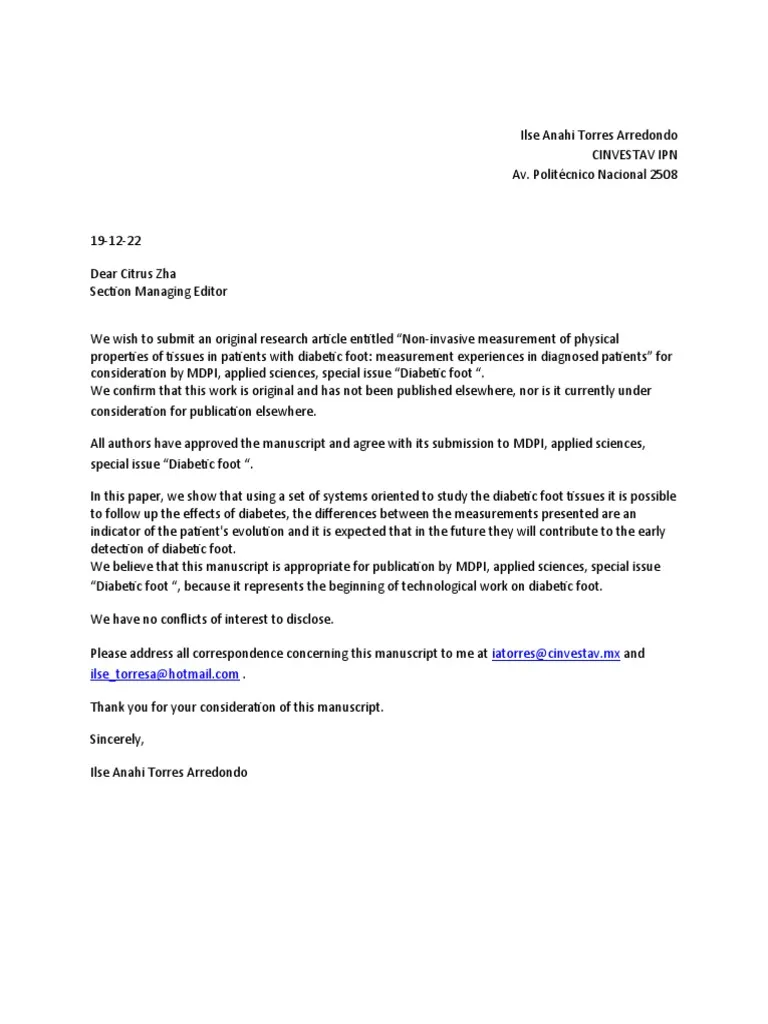
What is a Cover Letter and Why Is It Important?
A cover letter is your first chance to make a strong impression on a potential employer. It’s a concise document that accompanies your resume, providing context and highlighting your qualifications for a specific job. Unlike a resume, which offers a comprehensive overview of your work history and skills, a cover letter allows you to demonstrate your personality, express your interest in the company, and explain why you’re the perfect fit for the role. A well-crafted cover letter can significantly increase your chances of getting an interview.
Purpose of a Cover Letter
The primary purpose of a cover letter is to introduce you to a potential employer and to persuade them to read your resume. It should clearly state the position you are applying for and briefly explain why you are interested in the role and the company. Furthermore, a cover letter gives you the opportunity to showcase your communication skills, which are essential in nearly every professional setting. It allows you to elaborate on your relevant experiences and accomplishments in a way that a resume cannot. The goal is to secure an interview by piquing the recruiter’s interest.
Benefits of a Well-Written Cover Letter

A well-written cover letter offers several key benefits. It demonstrates your attention to detail and professionalism. It showcases your writing and communication skills, which are highly valued by employers. It allows you to explain any gaps in your employment history or address any concerns the employer might have. Moreover, a strong cover letter helps you stand out from the competition by personalizing your application. It provides a platform to express your passion for the role and the company, setting you apart from other candidates who might rely solely on their resume. It can effectively highlight your key skills and accomplishments that align with the job requirements.
Top 5 Cover Letter Samples to Grab Attention
Here are five different cover letter samples, each designed to grab the attention of the hiring manager. Each sample illustrates a different approach, allowing you to tailor your application to the specific job and company. These samples will provide you with the tools to craft compelling letters that will improve your chances of getting an interview. Remember to customize these examples to reflect your unique experiences and the requirements of the positions you’re applying for, making each one as relevant as possible to your target job. Consider these as templates to modify.
Sample 1 The Enthusiastic Approach
This type of cover letter showcases your excitement and genuine interest in the company and the position. It starts by expressing your passion for the company’s mission or products and quickly transitions to how your skills and experience align with their needs. Use strong verbs, and convey your eagerness to contribute. Make sure you mention specifics about the company, demonstrating you’ve done your research and are truly interested. The Enthusiastic approach is excellent if you’re applying for a company whose values align with yours. Be sure to show how excited you are to bring your skills to the table.
Key elements of this sample

- Express genuine excitement about the role and company.
- Showcase your relevant skills and experiences concisely.
- Use strong action verbs and positive language.
- Mention specific company achievements or values that resonate with you.
Sample 2 The Problem-Solving Approach
This approach focuses on how you can solve a problem or address a challenge the company faces. Research the company and the job description to identify pain points. Then, in your cover letter, present yourself as the solution, highlighting your skills and experience that directly address these issues. For example, if the company is looking to increase sales, you can showcase your sales experience and how you’ve achieved positive results in the past. Tailor this approach to showcase how you can contribute to their goals. Demonstrate your ability to offer solutions to challenges.
Key elements of this sample
- Identify a specific challenge or problem the company faces.
- Clearly articulate how your skills and experience can address the issue.
- Provide concrete examples of your past successes.
- Focus on the value you can bring to the company.
Sample 3 The Value-Driven Approach

The Value-Driven approach emphasizes the unique value you bring to the table. This sample highlights specific accomplishments, skills, and qualities that set you apart from other candidates. Instead of simply listing your responsibilities, it focuses on the results you achieved. Quantify your accomplishments whenever possible (e.g., “Increased sales by 20%”). This letter focuses on showing the value you’ll bring to the company. Focus on the benefits you can bring by showing the results of your previous work experience. Highlight key accomplishments.
Key elements of this sample
- Focus on your key accomplishments and results.
- Quantify your achievements whenever possible.
- Highlight your unique skills and qualities.
- Show the tangible benefits you can offer the company.
Sample 4 The Accomplishment-Focused Approach
This type of cover letter focuses on showcasing your previous accomplishments and how they align with the job requirements. It’s about demonstrating what you’ve achieved in past roles and how those achievements translate to the new position. Use the STAR method (Situation, Task, Action, Result) to provide specific examples of your accomplishments. This method helps you tell a compelling story that highlights your successes. By detailing your accomplishments, you’ll demonstrate your skills and ability to perform well in a new position.
Key elements of this sample

- Use the STAR method to describe your accomplishments.
- Provide specific examples of your achievements.
- Quantify your results whenever possible.
- Relate your accomplishments to the job requirements.
Sample 5 The Targeted Approach
This approach involves tailoring your cover letter to the specific company and role. It shows that you’ve done your research and understand their needs. Mention the company’s recent projects, values, or mission to demonstrate your interest. Customize your letter to address the job description directly, highlighting how your skills and experience align with their specific requirements. This level of personalization shows that you’re genuinely interested in the position and the company, making your application stand out. The more detailed the personalization, the higher the impact.
Key elements of this sample
- Research the company and the specific role.
- Mention specific details about the company.
- Address the job description directly.
- Highlight how your skills and experience align with their needs.
Key Elements of a Great Cover Letter
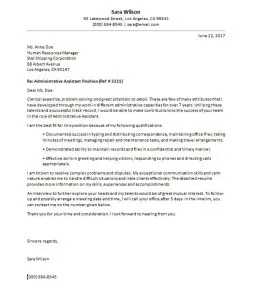
A great cover letter has several core elements. It should start with a professional header that includes your contact information and the date. Next is a personalized greeting, addressed to the hiring manager (if possible). The body of the letter should introduce your interest in the role, highlight your relevant skills and experience, and explain why you’re a good fit for the company. The tone should be enthusiastic, professional, and tailored to the company’s culture. Finally, end with a strong closing statement and a call to action, such as requesting an interview.
Formatting and Structure
Formatting plays a crucial role in creating a positive first impression. Use a clean, professional font like Arial or Times New Roman, with a font size of 11 or 12 points. Maintain consistent spacing throughout the document. Keep the letter to one page, with a clear and organized layout. Use bullet points or numbered lists to highlight key skills or achievements. Ensure proper margins and spacing between paragraphs to enhance readability. A well-formatted letter is easy to read and reflects your attention to detail.
Content and Tone
The content and tone of your cover letter should be tailored to the specific job and company. Use a professional yet engaging tone that reflects your personality. Highlight your skills and experiences that directly align with the job requirements. Tailor the language to match the company’s culture and values. Avoid using generic phrases, and instead, personalize the content to demonstrate your genuine interest in the role. Ensure the content is concise, well-written, and free of errors. This will make the reading experience pleasant and reflect your communication skills.
Tailoring Your Letter

Customization is key to a successful cover letter. Always tailor your letter to the specific job and company. Review the job description carefully and identify the key requirements. Highlight the skills and experiences that match those requirements. Use keywords from the job description to demonstrate your understanding of the role. Research the company and mention their recent projects or values to show your genuine interest. Personalized cover letters are much more effective than generic ones because they show that you’ve taken the time to understand the company’s needs.
Mistakes to Avoid
Avoiding common mistakes can significantly improve your chances of getting noticed. Do not use generic, mass-produced templates without customization. Avoid grammatical errors and typos, as they can undermine your credibility. Do not write a cover letter that simply restates your resume; instead, provide context and highlight relevant achievements. Avoid being too casual or informal, as this can be perceived as unprofessional. Refrain from using jargon that the hiring manager may not understand. Be positive and enthusiastic; avoid negativity. Stay away from making excuses or apologizing for any perceived shortcomings.
Common Cover Letter Errors
Common errors to avoid include typos, grammatical mistakes, and poor formatting. Ensure you use correct spelling, grammar, and punctuation. Always proofread your letter multiple times. Use a professional font and layout. Do not use vague language; instead, be specific and concise. Avoid using clichés and generic phrases. Always tailor your letter to the specific job and company. These errors can create a negative impression and reduce your chances of getting an interview. Attention to detail is a key indicator of professionalism.
Proofreading and Editing

Proofreading and editing are crucial steps in the cover letter writing process. Always proofread your letter multiple times to catch any errors. Use a grammar checker and spell checker, but also read the letter aloud to check for awkward phrasing. Ask a friend or colleague to review your letter for clarity and accuracy. Ensure the letter is well-organized and easy to read. Pay attention to the tone and make sure it aligns with the company’s culture. Correcting errors ensures that your cover letter reflects your professionalism and attention to detail.
Conclusion
Creating a compelling cover letter is an essential part of your job search. By understanding the purpose of a cover letter, using effective samples, and avoiding common mistakes, you can significantly improve your chances of landing an interview. Tailor each letter to the specific job and company, highlight your key skills and achievements, and always proofread carefully. By implementing these strategies, you’ll be well on your way to crafting cover letters that grab attention and get you noticed by hiring managers. Remember to showcase your value and express your enthusiasm to secure a job opportunity.