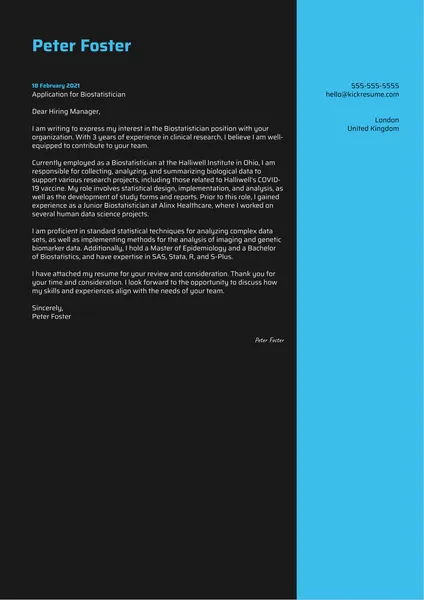
What is a Science Internship Cover Letter
A science internship cover letter is a crucial document that accompanies your resume when applying for science-related internships. It serves as your introduction to the hiring manager, allowing you to showcase your qualifications, express your interest in the specific internship, and demonstrate why you’re the ideal candidate. It is your opportunity to go beyond the basic facts presented in your resume and create a compelling narrative that highlights your passion for science and your suitability for the role. Think of it as your personal sales pitch, carefully crafted to persuade the reader that you deserve an interview.
Why Is a Cover Letter Important?
In the competitive world of science internships, a well-written cover letter can be the key to standing out from the crowd. It provides a platform to personalize your application and demonstrate your genuine interest in the specific opportunity and the company offering it. By articulating your motivations, skills, and experiences, you can effectively convey why you are a strong fit for the internship. Moreover, a cover letter allows you to address any potential gaps in your resume, such as a lack of direct experience, and explain how your skills and knowledge align with the requirements of the internship. It also gives you the chance to showcase your communication skills, which are vital in any professional environment. A cover letter is your chance to make a positive first impression.
Key Components of a Science Internship Cover Letter

Header Information
Applicant’s Contact Information
At the top of your cover letter, include your full name, address, phone number, and professional email address. This ensures that the hiring manager can easily contact you. Make sure your email address is professional and appropriate. Avoid using nicknames or informal language. Presenting yourself professionally starts with this initial contact information.
Recipient’s Contact Information

Directly below your information, include the hiring manager’s name (if known), their title, the company name, and the company’s address. If you cannot find the hiring manager’s name, use a general salutation such as ‘Dear Hiring Manager’ or ‘Dear [Department Name] Team’. Researching this information shows your initiative and attention to detail, both of which are valued traits.
Opening Paragraph
State your purpose
Begin your cover letter with a clear statement of your purpose. State the specific internship you are applying for and where you found the opportunity. Briefly mention your key qualifications and express your enthusiasm for the position and the company. This opening paragraph should immediately grab the reader’s attention and set the tone for the rest of the letter.
Body Paragraphs

Highlight Relevant Skills and Experience
In your body paragraphs, delve into your relevant skills and experience. Focus on the qualifications that align with the internship’s requirements. Provide specific examples of how you’ve used these skills in previous academic projects, lab work, or extracurricular activities. Use action verbs to describe your accomplishments and quantify your achievements whenever possible. Connect your skills directly to the needs of the internship, demonstrating your understanding of the role.
Showcase Enthusiasm
Demonstrate your genuine enthusiasm for the science internship and the company. Explain why you are interested in this specific opportunity and what attracts you to the organization’s work. Show that you’ve done your research and understand the company’s mission, values, and recent achievements. Your enthusiasm will highlight your motivation and commitment.
Quantify Achievements

Whenever possible, quantify your achievements with numbers and data. This adds credibility to your claims and provides concrete evidence of your skills and abilities. For example, if you improved efficiency in a lab project, state the percentage of improvement. If you were part of a team that achieved a certain goal, mention the specifics. Quantifiable results are more persuasive than vague statements.
Closing Paragraph
Express Gratitude
In your closing paragraph, express your gratitude for the reader’s time and consideration. Reiterate your interest in the internship and thank them for the opportunity to apply. This shows your professionalism and respect for the hiring manager’s time. A simple thank you can go a long way in creating a positive impression.
Call to Action

End your cover letter with a clear call to action. State your availability for an interview and reiterate your contact information. You can also express your eagerness to discuss your qualifications further. A strong call to action encourages the hiring manager to take the next step in the application process.
Formatting and Style
Font and Size
Choose a professional and easy-to-read font, such as Times New Roman, Arial, or Calibri. Use a font size between 10 and 12 points. Ensure that the font is consistent throughout the document. Legibility is key. Avoid overly stylized or decorative fonts that could distract the reader from your content. Keep it simple and clean.
Margins and Spacing

Use standard 1-inch margins on all sides of your cover letter. Double-space between paragraphs and use single spacing within paragraphs. This creates visual clarity and makes the document easier to read. Proper spacing and margins contribute to a polished and professional appearance.
Proofreading and Editing
Thoroughly proofread and edit your cover letter for any grammatical errors, typos, or inconsistencies. Have a friend or family member review it as well. Errors can damage your credibility. Pay close attention to the language and ensure it is clear, concise, and error-free. A polished cover letter demonstrates your attention to detail and professionalism.
Tips for Writing a Strong Cover Letter
Tailor to Each Internship
Avoid using a generic cover letter for all your applications. Customize each letter to match the specific requirements and details of the internship you’re applying for. This demonstrates your genuine interest and shows that you’ve taken the time to understand the opportunity. Tailoring your cover letter increases your chances of success.
Research the Company
Before writing your cover letter, thoroughly research the company and the internship program. Understand their mission, values, and recent projects. This information will help you tailor your letter and demonstrate your genuine interest. Showing that you’ve done your homework sets you apart from other applicants.
Use Action Verbs
Use strong action verbs to describe your skills and accomplishments. Verbs such as ‘managed,’ ‘developed,’ ‘analyzed,’ ‘researched,’ and ‘implemented’ help make your letter more engaging and impactful. Action verbs bring your experiences to life and provide concrete examples of your abilities. They help paint a picture of what you’ve done and what you can do.
Seek Feedback
Ask a career counselor, professor, or trusted friend to review your cover letter and provide feedback. They can offer valuable insights and help you identify areas for improvement. Getting a fresh perspective can improve the quality of your cover letter, catch errors, and make it more persuasive. A second pair of eyes can often see things you miss.
Common Mistakes to Avoid
Generic Content
Avoid using generic content that could apply to any internship. Instead, personalize your letter to showcase your specific skills, experiences, and interest in the particular opportunity. Generic letters show a lack of effort and interest, decreasing your chances of getting noticed.
Typos and Grammatical Errors
Typos and grammatical errors can create a negative impression, suggesting a lack of attention to detail. Always proofread your cover letter carefully. Proofreading is essential. Have someone else review it as well. Ensure your writing is clear, concise, and error-free to demonstrate professionalism.
Lack of Enthusiasm
A cover letter should convey your enthusiasm for the internship and the company. Avoid writing a dull or uninspired letter. Show your passion for science and express your genuine interest in the opportunity. Your enthusiasm is infectious and shows you are a motivated candidate.
Conclusion
A well-crafted science internship cover letter is a powerful tool that can significantly improve your chances of securing an internship. By following these guidelines and tips, you can create a compelling cover letter that highlights your qualifications, demonstrates your enthusiasm, and makes a positive impression on potential employers. Remember to tailor each letter to the specific internship and always proofread carefully. Good luck with your application!