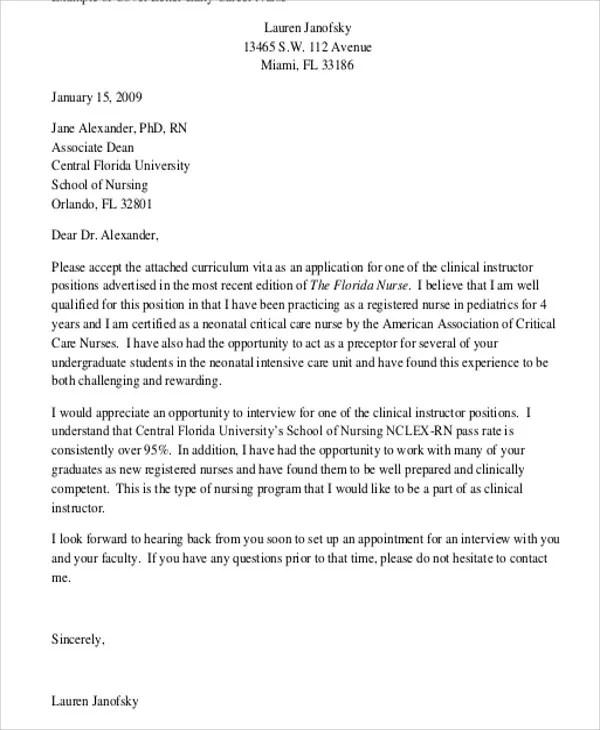
Why Cover Letters Still Matter
In a world increasingly reliant on digital applications and automated resume screenings, the humble cover letter might seem like a relic of the past. However, the reality is quite the opposite. A well-crafted cover letter remains a crucial tool for college graduates seeking to make a strong first impression on potential employers. It provides a platform to showcase your personality, enthusiasm, and unique qualifications beyond the confines of a standard resume. It is an opportunity to tell a story and make a connection with the hiring manager. While your resume provides a snapshot of your skills and experience, the cover letter allows you to elaborate on why you are the perfect fit for the specific role and company. It demonstrates your communication skills, attention to detail, and genuine interest in the opportunity. Ignoring the cover letter is a missed opportunity. Cover letters still matter because they enable graduates to demonstrate their value and stand out from the competition.
Crafting a Compelling Opening
The opening paragraph of your cover letter is arguably the most critical. This is your chance to immediately grab the reader’s attention and make them want to read more. Avoid generic phrases like “I am writing to express my interest…” or “I am a highly motivated individual…” Instead, aim for a strong hook that reflects your understanding of the company and the role. Mention something specific that attracted you to the company or the job posting. If you have a personal connection to the company or the work they do, briefly allude to it. Clearly state the position you are applying for and, if possible, mention how you learned about the opportunity. Show enthusiasm and a clear understanding of the role and the company’s needs. A compelling opening immediately separates you from the masses of applicants and indicates you’ve put thought and effort into your application. Remember, the goal is to pique the reader’s curiosity and encourage them to delve further into your qualifications.
Highlighting Relevant Skills

Your resume will list your skills, but your cover letter is where you bring them to life. Identify the key skills the employer is seeking, as mentioned in the job description. Then, provide specific examples from your academic projects, internships, or extracurricular activities that demonstrate those skills in action. Don’t just list the skills; show how you used them to achieve results. For instance, instead of writing “I have strong communication skills,” write “During my internship at [Company Name], I successfully presented project findings to a team of 15 stakeholders, resulting in [positive outcome].” Tailor your skill descriptions to each job application, emphasizing the skills most relevant to the specific role. This approach proves you possess the required skills and offers concrete evidence of your abilities, increasing your chances of securing an interview. Focus on demonstrating what you can do, not just listing what you know.
Showcasing Academic Achievements
As a recent college graduate, your academic achievements hold significant weight. Use your cover letter to highlight relevant coursework, projects, and academic accomplishments that align with the job requirements. Mention any specialized knowledge or training you’ve acquired. If you completed a thesis or capstone project, briefly describe it and its outcomes. Highlight any awards, honors, or scholarships you received. If your GPA is impressive and relevant to the role, consider including it. Emphasize how your academic background has prepared you for the position. Focus on showcasing the knowledge and skills you’ve gained through your education, how you applied these in practical settings, and how they have contributed to your personal and professional development. Aligning your academic achievements with the employer’s needs demonstrates your preparedness and potential.
Quantifying Accomplishments
Whenever possible, quantify your achievements to provide concrete evidence of your capabilities. Use numbers, percentages, and specific metrics to demonstrate your impact and the results you’ve achieved. For example, if you improved efficiency in a project, state the percentage of improvement or the time saved. If you increased sales or revenue, provide the exact figures. If you led a team, mention the team size and any significant accomplishments. Quantifying your achievements is more persuasive than vague statements and makes your accomplishments more impactful. It provides a clear sense of your value and the contributions you’ve made. Use data and metrics to support your claims and illustrate your effectiveness and results. This approach allows the reader to clearly understand your abilities and see the tangible benefits you can bring to their organization.
Tailoring Your Letter

Generic cover letters are easily identifiable and rarely make a lasting impression. Tailoring your cover letter to each specific job application is crucial for demonstrating your genuine interest and understanding of the role and the company. This involves researching the company, customizing the content, and formatting your letter effectively. Taking the time to personalize each application proves you are serious about the opportunity and gives you a distinct advantage. Customization indicates that you are not simply sending out mass applications and that you have taken the time to learn about their business, their needs, and how you can contribute. Tailoring your cover letter is an investment of time and effort that can significantly improve your chances of landing an interview and ultimately securing your dream job.
Researching the Company
Before writing your cover letter, thoroughly research the company. Visit their website, read news articles, and explore their social media presence to understand their mission, values, products or services, and recent developments. Understand their industry, their competitors, and their place in the market. Tailor your letter by referencing the company’s specific goals, initiatives, or recent achievements. This research allows you to demonstrate your genuine interest in the company and articulate why you are a good fit. Showing that you’ve taken the time to learn about their business, challenges, and successes immediately grabs the reader’s attention. This insight can help you identify the company’s needs, and you can subsequently emphasize how your skills and experiences align with those needs. Demonstrating your knowledge of the company is a powerful way to show your commitment.
Customizing the Content
Once you understand the company, customize the content of your cover letter to reflect their specific needs and the requirements of the job. Carefully review the job description and identify the key skills, qualifications, and experiences the employer is seeking. Align your skills and experience with the job requirements by using similar keywords and phrases. Highlight how your skills and experiences align with the company’s needs and values. Address specific needs of the company as you understand them. Mention any relevant experience or projects you have completed that demonstrate your understanding of their challenges. Show, don’t tell, why you are the best candidate for this specific position. The more you personalize your letter, the more it will resonate with the hiring manager and demonstrate your value. This is not a ‘one size fits all’ approach; personalization is key.
Formatting for Impact

The formatting of your cover letter is critical to its overall impact. A well-formatted letter is easy to read, visually appealing, and professional. Choose a clear and legible font, such as Times New Roman, Arial, or Calibri. Use a standard font size (11 or 12 points). Maintain consistent margins (1 inch on all sides) and use single-spacing for the body of the letter, with a double space between paragraphs. Use headings and subheadings to break up the text and guide the reader. Use bullet points where appropriate to list skills or achievements. Ensure your letter is free of grammatical errors and typos. Pay attention to the overall layout, ensuring that it’s balanced and uncluttered. A well-formatted cover letter shows attention to detail and respect for the reader’s time. It improves readability, making it easier for the hiring manager to quickly understand your qualifications.
Choosing the Right Font
The font you choose can significantly impact the readability and professionalism of your cover letter. Select a professional and easy-to-read font. Common choices include Times New Roman, Arial, Calibri, and Helvetica. Avoid overly stylized or decorative fonts that might be difficult to read. The ideal font should be clear and legible, even when printed. Ensure the font size is appropriate (11 or 12 points). The font should reflect your professionalism and attention to detail. Different fonts can evoke different emotions, so choose one that aligns with your overall brand and the tone of the job. A well-chosen font contributes to the overall polish and impact of your cover letter.
Structuring Your Letter
A well-structured cover letter has a clear and logical flow. It typically consists of an introduction, body paragraphs, and a conclusion. The introduction should grab the reader’s attention and state the purpose of your letter. The body paragraphs should highlight your relevant skills, experience, and accomplishments. The conclusion should restate your interest in the position and express your enthusiasm. Start with a professional salutation. Use formal language and avoid slang or jargon. Keep paragraphs concise and focused. Use strong action verbs to describe your achievements. End with a call to action, such as requesting an interview. Proofread your letter carefully to ensure it’s free of grammatical errors and typos. A well-structured letter demonstrates your organizational skills and makes it easier for the hiring manager to quickly understand your qualifications.
Proofreading and Editing

Proofreading and editing are critical steps in ensuring your cover letter is polished and professional. Errors can undermine your credibility and create a negative impression. Read your cover letter carefully, looking for any spelling, grammar, punctuation, and formatting errors. Use a spell-checker and grammar-checker, but don’t rely on them entirely. Proofread your letter multiple times, reading it slowly and carefully. It can also be helpful to have a friend, family member, or career counselor review your cover letter. They can offer a fresh perspective and catch errors you might have missed. Make sure your letter is concise and to the point. Ensure your language is appropriate and professional. Proofreading is a critical step that demonstrates your attention to detail and commitment to quality. A well-proofread cover letter leaves a positive and lasting impression.
Common Mistakes to Avoid
There are several common mistakes to avoid when writing a cover letter. Avoid generic and impersonal language. Refrain from simply repeating your resume. Don’t make the letter too long. Avoid using slang or informal language. Don’t include irrelevant information. Avoid using jargon or technical terms that the hiring manager might not understand. Avoid typos and grammatical errors. Do not criticize previous employers or companies. Avoid being overly aggressive or demanding. Don’t make false claims or exaggerate your qualifications. Tailor your letter to the specific job and company. Avoiding these common mistakes increases your chances of making a positive impression and securing an interview. Focus on highlighting your value and demonstrating your suitability for the role.
Seeking Feedback
Seeking feedback from others is a highly valuable step in the cover letter writing process. Ask trusted friends, family members, career counselors, or professors to review your cover letter. They can provide a fresh perspective, identify errors, and offer suggestions for improvement. Share your cover letter with multiple people to get a variety of feedback. Pay attention to their suggestions for clarity, grammar, and overall impact. Use their feedback to improve your cover letter. Don’t be afraid to ask for clarifications or further explanations. Be open to criticism and view it as an opportunity to enhance your letter. Seeking feedback demonstrates your commitment to producing a high-quality cover letter and increases your chances of making a strong impression. This external perspective can help you refine your message, ensuring it’s clear, concise, and effectively conveys your qualifications and enthusiasm.
Closing with Confidence

Your closing paragraph is your final opportunity to leave a positive impression. Restate your interest in the position and express your enthusiasm for the opportunity. Thank the hiring manager for their time and consideration. Include a call to action, such as requesting an interview or expressing your willingness to discuss your qualifications further. End with a professional closing, such as “Sincerely” or “Best regards,” followed by your name. Ensure you have included your contact information, including your phone number and email address. Ensure the closing aligns with the tone and style of your cover letter. A confident closing demonstrates your professionalism and commitment to the role. It reinforces your key selling points and encourages the hiring manager to take the next step in the hiring process, increasing your chances of landing an interview.