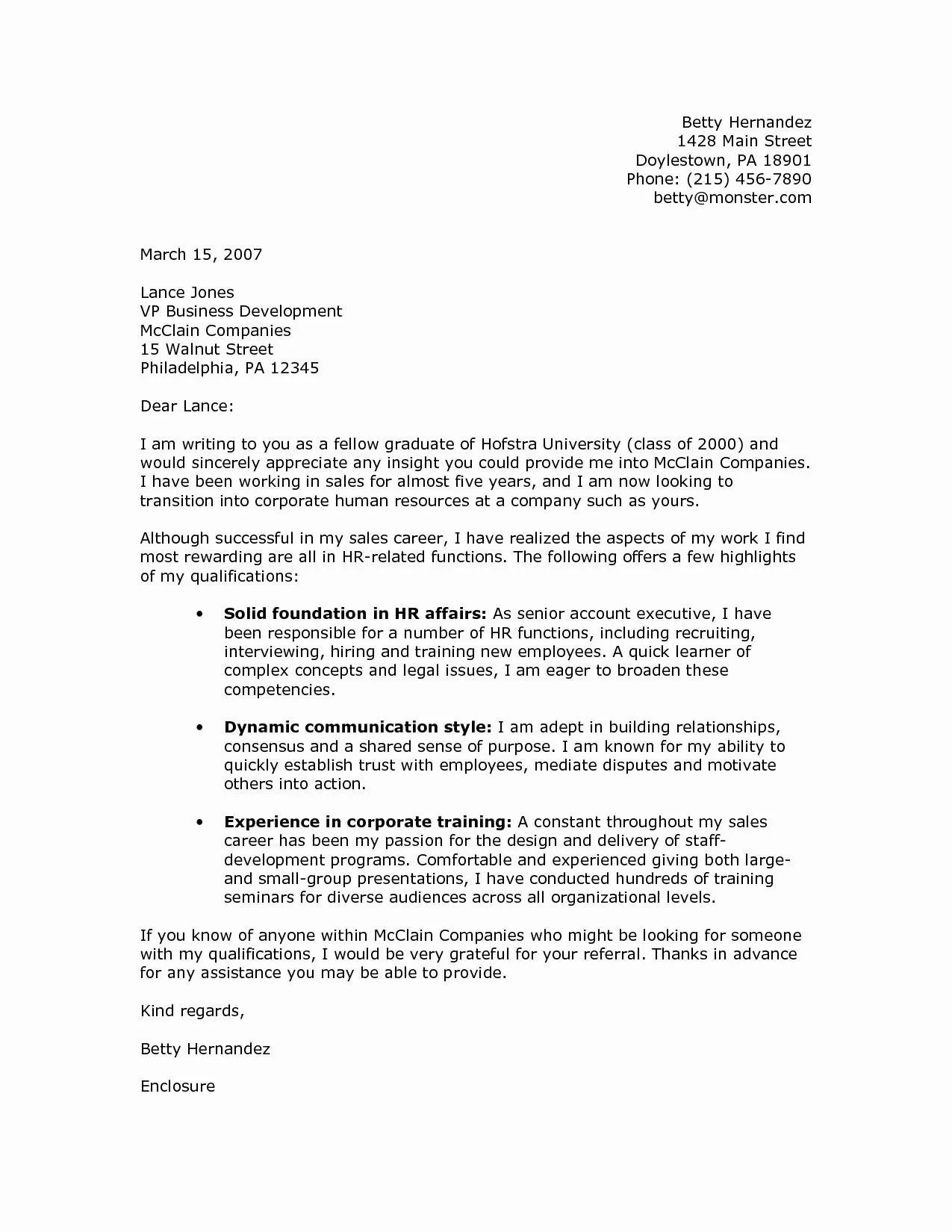
Understanding Employment Gaps in Cover Letters
Navigating employment gaps in your cover letter can be a daunting task, but it’s also a crucial one. Many job seekers experience periods of unemployment for various reasons. How you address these gaps can significantly impact how a potential employer perceives your application. A well-crafted cover letter provides an opportunity to contextualize these gaps, demonstrating resilience, proactivity, and a continued commitment to professional development. It’s about turning a potential negative into a positive, highlighting what you’ve learned and accomplished during your time away from traditional employment. This is your chance to show you are more than just your resume, you are a well-rounded individual.
Defining Employment Gaps
An employment gap is essentially any period of time where you were not actively employed in a full-time or part-time position. These gaps can vary in length, ranging from a few months to several years. They might be due to a variety of factors such as layoffs, family care, travel, personal pursuits, illness, further education, or simply the time needed to find a new job. Understanding what constitutes a gap is the first step in addressing it. Different companies view these gaps differently, so your explanation should be concise, honest and transparent, providing the reader with all the necessary information needed.
Types of Employment Gaps

Employment gaps come in various forms, each with its own set of circumstances. They can result from being laid off or let go from a previous role, which often requires a sensitive and strategic explanation. Another common reason is taking time off to care for family members, a situation that calls for highlighting your dedication and multitasking skills. Some people take breaks for travel or personal development, which can be framed to showcase personal growth and new skills. Health-related gaps, whether due to illness or injury, require a delicate approach, focusing on recovery and readiness to return to work. Finally, pursuing further education or training also results in gaps that can be used to emphasize your commitment to lifelong learning.
Why Employers are Concerned
Employers often scrutinize employment gaps due to several concerns. They might worry about a lack of recent work experience, assuming that skills and knowledge may have become outdated. There’s a potential fear that the applicant may not have been actively developing professionally during the gap, and may be less competitive than other candidates. Moreover, gaps can raise questions about an applicant’s reliability, work ethic, and overall commitment to their career. Addressing these concerns directly in your cover letter allows you to preemptively alleviate any doubts and demonstrate that you are still a valuable and engaged professional. This is your chance to address the elephant in the room and get a head start.
Crafting Your Cover Letter
When crafting your cover letter, addressing employment gaps should be handled strategically and with careful consideration. The goal is to be upfront and transparent while also showcasing how you’ve utilized the time to improve yourself and your prospects. Your cover letter should not only provide the context but also highlight how you have grown in this period. This is also a great opportunity to demonstrate the value of your experiences, skills, and what you have to offer to the organization you are applying to. The cover letter is the place to tell the story and show the hiring manager that you have put some thought in your application.
Acknowledge the Gap Directly

Don’t try to hide your employment gaps; instead, address them directly and honestly. The best way to handle this is to bring it up right away. The longer you wait, the more it feels like you are trying to hide something. This upfront approach shows that you are not afraid to discuss any periods of unemployment. By explicitly mentioning the gap, you set the stage for a clear and concise explanation that will help put the hiring manager at ease. This shows transparency and builds trust from the outset.
Be Honest and Transparent
Honesty is crucial when discussing employment gaps. Provide a truthful explanation of the circumstances without going into unnecessary detail. Avoid making excuses or being overly negative about past experiences. Be straightforward about the reason for the gap, whether it was a layoff, family care, or personal pursuits. Transparency helps build credibility, demonstrating that you are open and straightforward about your past. This approach is often the best way to show that you are trustworthy and that you take ownership of your professional narrative.
Focus on What You Did During the Gap
Shift the focus from the gap itself to what you accomplished during that time. This allows you to transform a potential negative into a positive. Highlight any activities you engaged in, such as volunteer work, online courses, freelance projects, or personal development initiatives. Describe how these experiences have enhanced your skills, broadened your knowledge, or made you a more well-rounded candidate. This can demonstrate your initiative, adaptability, and a proactive approach to self-improvement. This is a good opportunity to also point out your drive and ability to be productive during unemployment.
Highlight Relevant Skills and Experiences

Link any experiences gained during your employment gap to the requirements of the job you’re applying for. Whether it was a new skill learned or additional experience gained, make sure to connect the dots for the employer. For instance, if you completed online courses, mention the specific skills acquired that align with the job description. If you volunteered, highlight the responsibilities and achievements that relate to the role. By explicitly showcasing the relevance of your activities, you can demonstrate that the gap did not hinder your professional development and perhaps even enhanced it. This helps the hiring manager see how you’re prepared for the role.
Showcase Personal Growth
Use the cover letter to showcase the personal growth that you’ve achieved during the employment gap. The time off can often provide perspective and allow you to develop other important skills. Highlight any introspection, self-improvement, or personal projects you’ve undertaken. This could include increased communication skills, time management abilities, or improved problem-solving skills. By discussing your growth, you convey that you are reflective, resilient, and have a positive attitude towards overcoming challenges. This demonstrates maturity and self-awareness, making you a more attractive candidate.
The DOs and DON’Ts
When addressing employment gaps, there are a few key things to keep in mind. Following these guidelines helps you present yourself in the best possible light. The key is to show what you have done with your time and give the hiring manager a clear picture.
DO Provide a Concise Explanation

Keep your explanation of the employment gap brief and to the point. Avoid going into excessive detail. State the reason for the gap clearly and directly. The goal is to provide context without overshadowing your qualifications. A concise explanation shows that you respect the reader’s time and that you can communicate efficiently. A brief overview will be enough for a well-informed hiring manager. They want to know the gap’s reason without the whole story.
DO Focus on Positives
Always frame your explanation in a positive light. Concentrate on what you learned or accomplished during the gap, rather than dwelling on negative aspects. Highlight any skills, experiences, or personal growth that resulted from the time away. Emphasize your proactive approach to self-improvement, and how you made the most of the circumstances. This shift in focus will help the hiring manager see you as resilient, resourceful, and forward-thinking. This keeps the tone optimistic and makes you appear as a more interesting candidate.
DO Tailor Your Explanation
Customize your explanation for each cover letter. Tailor your response to match the specific requirements and expectations of the job and company. Highlight the experiences and skills that are most relevant to the role. Research the company culture and adjust your tone and language accordingly. This demonstrates that you understand the needs of the organization and are genuinely interested in the position. It shows you are engaged and puts you in the best possible light.
DON’T Make Excuses
Avoid making excuses for the employment gap. It’s important to take ownership of the situation and refrain from blaming external factors. Blaming others or making excuses can come across as unprofessional. Instead, take responsibility for your choices and frame the gap as a learning experience. By avoiding excuses, you project confidence and maturity. The hiring manager is going to be looking for someone who is able to own their past and move on.
DON’T Be Vague
Be specific when explaining the reason for the gap. Avoid vague statements that could raise more questions than answers. Provide a clear and direct explanation, avoiding ambiguity. A lack of clarity can make the employer wonder about the true nature of the situation. Specificity builds trust and demonstrates that you’re transparent and honest. Avoid using overly general terms such as “personal reasons” as that can create suspicion and confusion. The more clear you are, the better the chances that the hiring manager will believe you.
DON’T Dwell on Negatives
Don’t spend too much time discussing the negative aspects of your employment gap. Focus on what you learned and how you grew from the experience. Dwelling on negative issues might create the impression that you are still stuck in the past. Highlighting the positive aspects will leave a better impression. This shows that you are able to move forward, maintain a positive outlook and are resilient. Remember, it’s important to maintain an optimistic and positive tone.
Addressing Specific Gap Scenarios

Different types of employment gaps require tailored approaches to address them effectively. Here’s a breakdown of how to handle specific situations. You should address the reason behind the gap. Every situation is unique and deserves a unique response. The cover letter is where you can address these specific circumstances.
Gap Due to Layoff
If the gap resulted from a layoff, briefly mention the company’s restructuring or economic downturn. Avoid speaking negatively about the previous employer. Focus on any achievements or positive experiences during your time with the company. Describe any steps you took to seek new opportunities, such as networking, taking courses, or upgrading your skills. Highlight any skills gained during your previous employment that are relevant to the new role. This approach keeps the focus on your abilities.
Gap Due to Caring for Family
If you took time off to care for family members, express your dedication and commitment to family. Describe your responsibilities during this time and any skills you utilized, such as time management, organization, and communication. Relate these skills to the requirements of the job. Highlight any volunteer work or personal development activities completed during the break. This enables you to show your family values.
Gap Due to Travel or Personal Pursuits
If you used the time for travel or personal pursuits, discuss any skills or experiences gained during this period. Highlight how your travels expanded your perspective and cultural understanding. If you undertook any personal projects, such as writing or learning a new language, mention them. Frame the break as a period of personal growth and exploration. Travel or personal pursuits can actually demonstrate your adaptability and a willingness to take on new challenges.
Gap Due to Illness or Injury
If the gap resulted from illness or injury, keep the explanation concise and focus on your recovery and readiness to return to work. Reassure the employer that you are fully recovered and able to meet the job’s demands. Highlight any steps you took to maintain your skills or learn new things. If you took any rehabilitation or completed treatment, you can mention it. This helps to demonstrate that you’re prepared and eager to start working again.
Gap Due to Further Education
If you spent the time pursuing further education, emphasize the skills and knowledge gained. List any degrees, certifications, or courses you completed. Highlight the relevance of your new qualifications to the job you’re applying for. Show your commitment to lifelong learning. This is a good opportunity to showcase how your education has improved your skills and knowledge.
Finalizing Your Cover Letter
After addressing the employment gap, there are a few additional steps to ensure your cover letter is polished and professional. A well-crafted cover letter that addresses the elephant in the room will help you stand out from the competition. Your cover letter should clearly state your skills, qualifications, and abilities.
Proofread Carefully
Before submitting your cover letter, meticulously proofread it for any errors. Check for typos, grammatical mistakes, and formatting inconsistencies. Errors can detract from your credibility and signal a lack of attention to detail. Proofreading is a critical step in ensuring your professionalism. If possible, get someone else to review your letter. That way, you will catch anything you have missed and ensure your application meets all the requirements.
Get Feedback from Others
Ask trusted friends, family members, or career advisors to review your cover letter. Get feedback on the clarity, tone, and overall effectiveness of your writing. Another set of eyes can provide valuable insights and help you make improvements. Constructive feedback will help you refine your cover letter and strengthen your application. Use their observations to improve your application.
Emphasize Your Enthusiasm
Throughout your cover letter, express your enthusiasm for the job and the company. Highlight your genuine interest in the position and your excitement to contribute to the organization. Conclude with a confident and enthusiastic statement about your desire for an interview. A positive attitude can leave a lasting impression on the hiring manager, making them want to know more. This is your last chance to impress, so make it count.