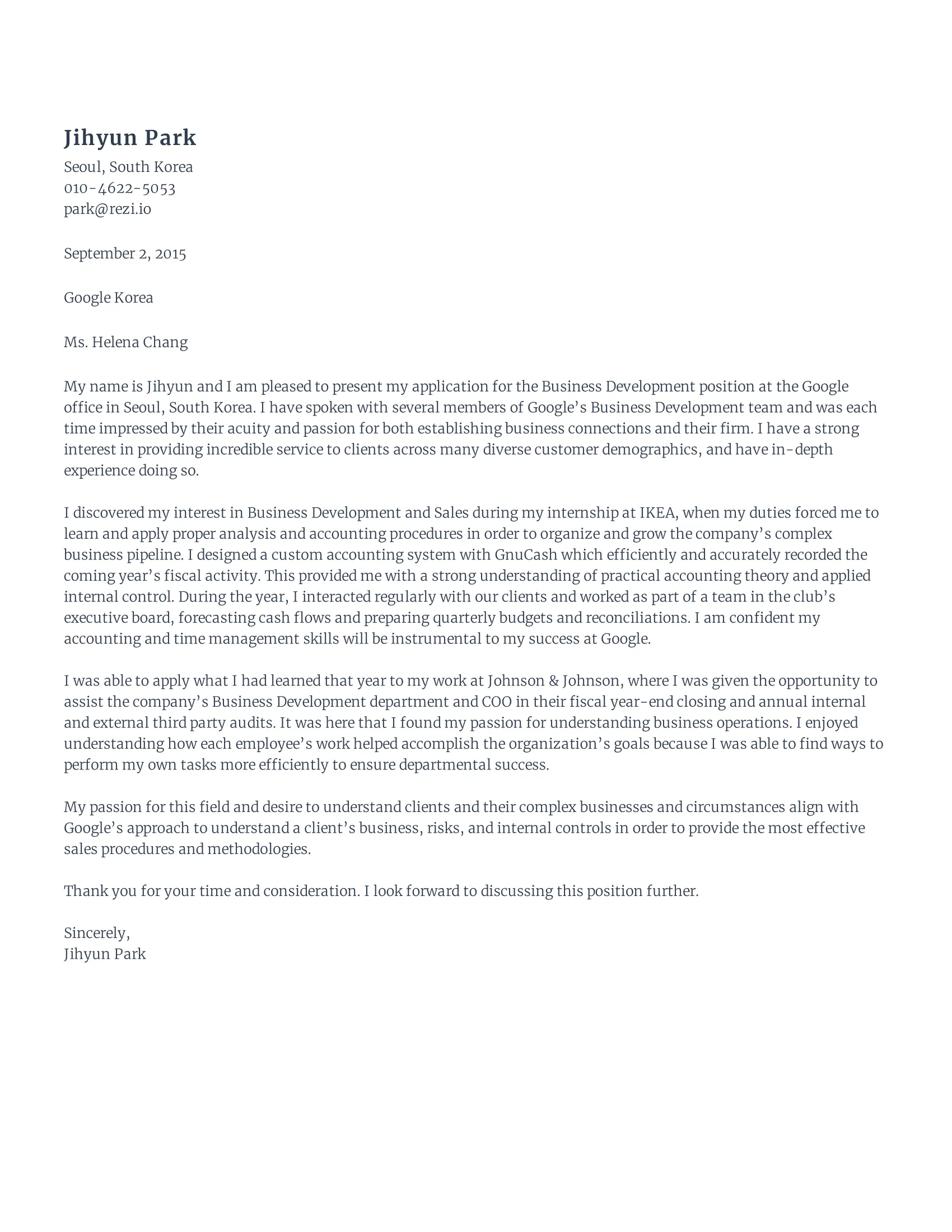
What is a Cover Letter
A cover letter is a crucial document that accompanies your resume when applying for a job. It serves as your first introduction to a potential employer, providing an opportunity to showcase your personality, enthusiasm, and qualifications in a more narrative format than your resume allows. Unlike a resume, which is a concise summary of your experience and skills, a cover letter lets you explain why you’re the ideal candidate and how your background aligns with the specific job requirements. A well-crafted cover letter is a powerful tool that can significantly increase your chances of landing an interview by making a positive first impression and setting you apart from other applicants.
Purpose of a Cover Letter
The primary purpose of a cover letter is to demonstrate your interest in the position and the company while highlighting your relevant skills and experiences. It’s an opportunity to connect your qualifications with the employer’s needs, showing them why you are a great fit. A cover letter helps you to provide context to your resume, elaborating on achievements, explaining career gaps, or addressing any concerns the employer may have. Furthermore, a cover letter allows you to showcase your written communication skills and your understanding of the role and the company. By demonstrating your enthusiasm and suitability, you can persuade the hiring manager to invite you for an interview, which is the ultimate goal.
Highlighting Key Skills and Experiences

One of the most important functions of a cover letter is to highlight the key skills and experiences that make you a strong candidate for the job. Carefully review the job description and identify the skills and qualifications the employer is seeking. Then, select specific examples from your work history, education, or other experiences that demonstrate these skills. Instead of simply listing your skills, use the STAR method (Situation, Task, Action, Result) to provide concrete examples of how you’ve used your skills to achieve positive outcomes. Quantify your achievements whenever possible, using numbers and data to illustrate your impact. This approach not only showcases your abilities but also provides compelling evidence of your value to the potential employer.
Tailoring to the Specific Job
A successful cover letter is always tailored to the specific job you are applying for. Generic cover letters that could be sent to any company are easily recognized and often discarded. Take the time to research the company and the role to understand what the employer is looking for. Customize your cover letter by addressing the specific requirements outlined in the job description, mentioning the company’s mission or values, and explaining why you are interested in working for them. This personalized approach demonstrates your genuine interest and shows that you have taken the initiative to understand the role and the organization. Always remember that each cover letter should be a unique reflection of the job and the company.
Cover Letter Structure and Format
A well-structured cover letter follows a clear and professional format, making it easy for the hiring manager to quickly understand your qualifications and enthusiasm. The format generally includes a header with your contact information, a salutation, an introductory paragraph, several body paragraphs, a closing paragraph, and a professional sign-off. Proper formatting is essential for creating a positive first impression and ensuring your letter is easy to read and understand. Using a professional font and maintaining consistent formatting throughout the document also demonstrates attention to detail, which is important in any job application.
Header Information

The header of your cover letter should include your name, address, phone number, and email address. It’s important to make sure your contact information is accurate and up-to-date, so the hiring manager can easily reach you. Place the header at the top of the page, typically aligned to the left or right. Below your information, include the date and the hiring manager’s name, title, and company address. If you don’t know the hiring manager’s name, try to find it through research or use a generic greeting. Ensure the header is clearly formatted and easy to read; it’s the first thing the reader sees.
Greeting
Your greeting sets the tone for your cover letter. If possible, address the hiring manager by name, using ‘Dear Mr./Ms. Last Name’. This shows you have done your research and are taking a personalized approach. If you’re unsure of the hiring manager’s name, use a professional greeting like ‘Dear Hiring Manager’ or ‘Dear [Department Name] Team’. Avoid generic greetings like ‘To Whom It May Concern,’ which can come across as impersonal. The greeting should be followed by a comma or a colon and should be formatted consistently with the rest of the letter.
Body Paragraphs
The body of your cover letter is where you make your case, highlighting your key skills, experiences, and accomplishments. Start with an engaging introductory paragraph that states the position you’re applying for and briefly explains why you’re interested in the role and the company. The subsequent paragraphs should expand on your qualifications, using specific examples to demonstrate how your skills and experiences align with the job requirements. Focus on quality over quantity, ensuring each paragraph adds value and supports your claims. Keep the body paragraphs concise and focused, avoiding jargon and overly complex sentences.
Closing

The closing paragraph should summarize your interest in the position and reiterate your enthusiasm for the opportunity. Express your gratitude for the reader’s time and consideration. Include a call to action, such as stating that you look forward to hearing from them or that you are available for an interview. End with a professional closing, such as ‘Sincerely,’ ‘Best regards,’ or ‘Yours sincerely,’ followed by your typed name. Ensure that your closing is consistent with the overall tone of your cover letter and reflects your professionalism.
Proofreading and Editing
Proofreading and editing are critical steps in ensuring your cover letter is polished and professional. Errors in grammar, spelling, and punctuation can undermine your credibility and give the impression that you lack attention to detail. Before submitting your cover letter, carefully review it multiple times, checking for any mistakes. Use a grammar and spell checker, but also read the letter aloud to catch any awkward phrasing or sentence structure issues. It’s also helpful to have someone else review your letter; a fresh pair of eyes can often spot errors that you may have missed.
Common Mistakes to Avoid
Avoiding common mistakes can greatly improve the effectiveness of your cover letter. Common errors range from using generic content to making careless grammatical errors. It’s important to be aware of the pitfalls and take steps to prevent them. By paying close attention to detail and ensuring your letter is tailored to the specific job, you can make a strong impression and increase your chances of getting an interview.
Generic Cover Letters

Using a generic cover letter is one of the biggest mistakes you can make. A generic letter is a one-size-fits-all document that lacks personalization and fails to demonstrate your genuine interest in the specific role and company. Generic cover letters often sound impersonal and fail to highlight why you are the best fit for the job. Tailoring your cover letter to each job demonstrates your research and effort, increasing your chances of making a positive impression. Always customize your cover letter to the specific requirements and values of the company.
Typos and Grammatical Errors
Typos and grammatical errors can instantly undermine your credibility and professionalism. These errors suggest a lack of attention to detail and can lead the hiring manager to question your overall competence. Proofread your cover letter carefully, and use a grammar and spell checker to catch any mistakes. Read your letter aloud to ensure that the language flows smoothly and that there are no awkward phrases or sentence structures. A polished, error-free cover letter makes a strong impression and shows that you take the application process seriously.
Ignoring the Job Description
Ignoring the job description is a common mistake that can severely hurt your chances of getting an interview. The job description provides a roadmap of the skills, experiences, and qualifications the employer is seeking. Failing to address the specific requirements in your cover letter indicates that you haven’t taken the time to understand the role and the company’s needs. Carefully review the job description and tailor your cover letter to directly address the required skills and qualifications, highlighting how your background aligns with what the employer is looking for.
Including Irrelevant Information

Including irrelevant information can detract from the focus of your cover letter and make it less effective. While it’s important to provide context and highlight your accomplishments, avoid including information that is unrelated to the job or the company. Focus on showcasing your relevant skills, experiences, and qualifications, and tailor your letter to the specific requirements of the role. Keep your cover letter concise and to the point, ensuring that every sentence adds value and supports your application. Irrelevant details can dilute your message and make it difficult for the hiring manager to understand why you are a good fit.
In conclusion, a well-crafted cover letter is a powerful tool that can significantly improve your chances of landing an interview. By understanding the purpose of a cover letter, highlighting your key skills and experiences, tailoring it to the specific job, following a clear and professional structure, and avoiding common mistakes, you can create a compelling document that makes a strong impression on potential employers. Remember to always proofread your cover letter and make sure it reflects your best self.