Why a Cover Letter is Still Crucial
In a world dominated by online applications and automated systems, the cover letter might seem like a relic of the past. However, it remains a vital tool in your job search arsenal. It provides a crucial opportunity to connect with the hiring manager on a personal level, showcase your unique value proposition, and elaborate on how your skills align with the specific requirements of the role. A well-crafted cover letter can significantly increase your chances of landing an interview, even if your resume alone isn’t enough to grab their attention. The absence of a cover letter, or a poorly written one, can send the message that you haven’t put in the effort to truly understand the company or the position, which could lead to your application being overlooked. This document serves as a bridge between your skills and the company’s needs.
Formatting Your Cover Letter Effectively
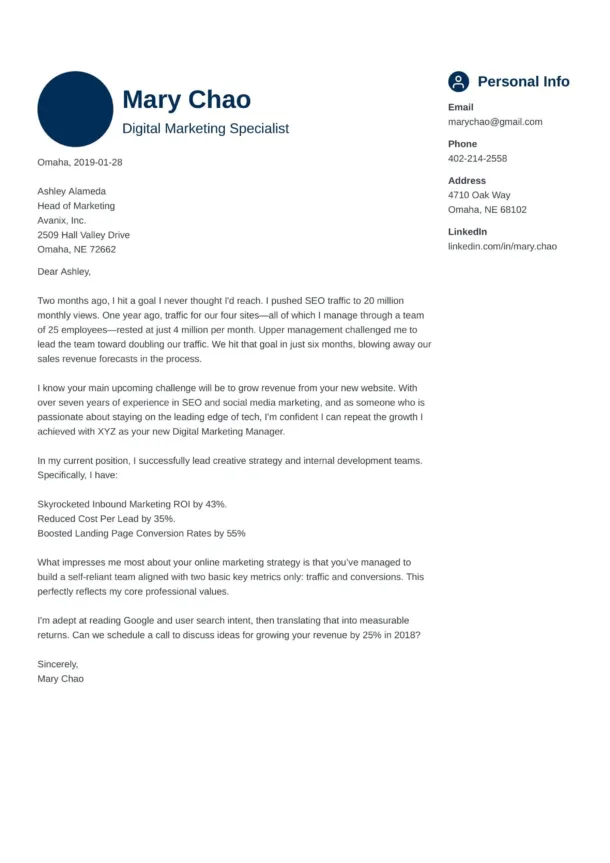
Formatting is a crucial element in creating a cover letter that is both visually appealing and easy to read. First, choose a professional and clean font such as Times New Roman, Arial, or Calibri, keeping the font size between 10 and 12 points. Maintain consistent formatting throughout the document, including margins (typically 1 inch on all sides) and spacing (single or 1.15 line spacing). Use clear and concise language, and break up large blocks of text into smaller paragraphs to avoid overwhelming the reader. Use bullet points for lists, making it easier to scan the information quickly. Finally, save your cover letter in a universally compatible format like PDF to ensure that the formatting remains consistent when viewed on different devices or operating systems. This ensures that your application looks polished and professional, leaving a positive first impression.
Cover Letter Header Tips

The header of your cover letter sets the tone for the rest of the document, so make it count. Begin with your name, address, phone number, and email address. While a company address is not needed, your personal contact details are essential for the recruiter to reach you. Ensure your email address is professional and appropriate for the job you’re applying for. If you have a professional online presence (LinkedIn profile or a personal website), you can also include the URL. The header should be clearly formatted, making it easy for the hiring manager to quickly identify your contact information. Keep it concise and clean, avoiding unnecessary graphics or embellishments that could distract from the important information. The header is your chance to make a strong first impression.
Eliminating the Address Block
In the modern job application landscape, it’s increasingly common to omit the company’s address from your cover letter. This is primarily due to the ease of online applications and the fact that many companies don’t have a publicly listed physical address. Instead of including the address block, you can focus on other aspects of your letter, such as highlighting your skills and experience, or tailoring your opening paragraph to the specific role and company. If you know the hiring manager’s name, you can address the letter directly to them; if not, use a professional greeting, such as “Dear Hiring Manager.” This shift streamlines the process and allows you to focus on what really matters, which is showcasing your qualifications and enthusiasm for the position. This demonstrates that you are adaptable and understand the current norms of the job search process.
Alternative Greeting Methods
When you don’t know the hiring manager’s name, a generic greeting like “Dear Hiring Manager” is acceptable and widely used. However, there are ways to make your greeting more engaging. Research the company’s website or LinkedIn profiles to identify the name of the person in charge of hiring or the department head. If you cannot find a specific name, you can use greetings such as “Dear [Department Name] Hiring Team” or “Dear [Job Title] Search Committee.” Avoid outdated or overly informal greetings. Always maintain a professional tone that demonstrates your respect for the company and the position. Your choice of greeting sets the tone for the rest of your letter, so select one that suits the company culture and the role you’re applying for. It is important to remember that a well-chosen greeting can make your cover letter stand out.
Crafting a Compelling Opening

The opening paragraph is your chance to grab the hiring manager’s attention. Avoid generic openings and instead state the position you’re applying for and how you found it. Mention something specific that resonated with you about the company or the role. This shows that you’ve done your research and that you are genuinely interested in the opportunity. Consider starting with a brief statement of your most relevant skill or accomplishment. Tailor your opening paragraph to each job application, highlighting the skills and experience that align with the specific requirements listed in the job description. The goal is to capture the reader’s interest and encourage them to read the rest of your cover letter. A strong opening makes a lasting impression and increases the likelihood of your application being considered.
Highlighting Your Key Skills and Experience
The body of your cover letter should demonstrate how your skills and experience align with the job requirements. Carefully review the job description and identify the key skills and qualifications the employer is seeking. Provide specific examples of how you have used these skills to achieve results in past roles. Quantify your accomplishments whenever possible by using numbers, percentages, and data to illustrate your impact. Tailor each cover letter to the specific job, ensuring that you are highlighting the most relevant experiences and qualifications. Use the STAR method (Situation, Task, Action, Result) to structure your examples. By providing concrete evidence of your abilities, you demonstrate your value to the potential employer. This helps the hiring manager to understand your potential contributions to the team.
Demonstrating Your Enthusiasm
Your cover letter is an opportunity to express your enthusiasm for the role and the company. Go beyond simply stating your interest; demonstrate it through your writing. Research the company’s values, mission, and recent achievements. Mention something that specifically excites you about the opportunity or the organization. Explain why you are a good fit and how your skills align with the company’s culture. Show that you are eager to contribute to the team and make a positive impact. Tailor the language to mirror the tone and style of the company’s brand. Enthusiasm makes your application more engaging and shows the hiring manager that you are invested in the company’s success. It will set you apart from other candidates and increase your chances of moving forward in the hiring process.
Closing Your Cover Letter Strong

Your closing paragraph should leave a lasting impression. Thank the hiring manager for their time and consideration. Reiterate your interest in the position and your confidence in your ability to make a contribution. Include a clear call to action, such as requesting an interview. Make it easy for the hiring manager to contact you by providing your phone number and email address again. Avoid overly generic phrases. Your closing should be concise, professional, and memorable, leaving the reader with a positive impression. A strong closing reinforces your value as a candidate and increases the likelihood of the employer reaching out to you. Ensure that your closing paragraph is as compelling as your opening, creating a seamless transition from your introduction to your call for action.
Proofreading and Editing for Perfection
Before submitting your cover letter, meticulously proofread and edit it for any errors in grammar, spelling, punctuation, and sentence structure. Errors, even minor ones, can damage your credibility and create a negative impression. Read your cover letter aloud to catch any awkward phrasing or inconsistencies. Use a grammar and spell-checking tool, but don’t rely on it entirely. Ask a friend, family member, or career advisor to review your letter and provide feedback. Make sure that your cover letter is well-organized, easy to read, and tailored to the specific job and company. Ensure that your formatting is consistent and professional. Perfect your cover letter, and you’ll significantly increase the chances of moving forward in the hiring process and landing your dream job. This is the final step to ensure your application shines.