Cover Letter Secrets
A cover letter is your first chance to make a lasting impression on a potential employer, it is often the first thing a recruiter sees. More than just a formality, a well-crafted cover letter can significantly increase your chances of landing an interview, it allows you to expand on your resume, highlight specific skills, and demonstrate your genuine interest in the position and the company. Mastering the art of writing an effective cover letter is a critical skill for anyone serious about their career. These essential strategies will guide you to create a compelling cover letter that captures attention and sets you apart from other candidates. This guide will reveal the secrets to writing a cover letter that gets results.
Highlight Your Skills
Your cover letter should serve as a spotlight for your most relevant skills. Instead of simply listing skills, provide concrete examples of how you’ve applied them in previous roles. Use the job description as your guide to identify the skills the employer values most. Then, weave those skills into your letter, illustrating how you’ve used them to achieve specific outcomes. For instance, instead of writing “Proficient in project management”, you might say “Managed cross-functional teams to deliver projects on time and under budget, resulting in a 15% increase in efficiency”. This approach not only showcases your skills, but also demonstrates your ability to deliver results and your achievements. Make sure your skills align with the job description to make an impact.
Showcase Relevant Experience

While your resume provides a comprehensive overview of your work history, your cover letter offers an opportunity to delve deeper into experiences that are most relevant to the target job. Select 2 or 3 key experiences that directly align with the requirements outlined in the job description. For each experience, provide context, explain your role, detail your responsibilities, and, most importantly, highlight your achievements. This is where you can paint a picture of your value to the company, showing the hiring manager why you are the ideal candidate. Use the STAR method (Situation, Task, Action, Result) to structure your examples, ensuring that you clearly communicate your contributions and the positive outcomes of your work.
Quantify Your Achievements
Numbers speak louder than words, so use them to your advantage in your cover letter. Whenever possible, quantify your achievements to make them more impactful. Instead of saying “Improved customer satisfaction”, state “Increased customer satisfaction by 20% through implementing a new feedback system”. Use metrics, percentages, and specific figures to showcase the positive impact of your work. This approach provides concrete evidence of your skills and abilities, demonstrating that you are a results-oriented individual. Quantifying your achievements not only makes your accomplishments more persuasive, but also provides the employer with a clear understanding of your value and potential contribution to their organization. Make sure your achievements are relevant to the role.
Tailor to the Job
Generic cover letters are easily identified and often dismissed. To maximize your chances of success, you must tailor each cover letter to the specific job and company. Start by thoroughly researching the company, its values, and its mission. Then, carefully review the job description, paying close attention to the keywords, required skills, and desired qualifications. Customize your letter to align with these specific needs. Mention the company by name, and express your understanding of their mission and how your skills align with the role. Show, don’t tell, your interest by demonstrating that you’ve done your homework. This attention to detail demonstrates your genuine interest in the opportunity and your understanding of the company’s needs.
Proofread Meticulously

Typos, grammatical errors, and formatting inconsistencies can undermine your credibility and create a negative impression. Before submitting your cover letter, proofread it carefully for any errors. Use a spell checker and grammar checker, but don’t rely on them entirely. Read the letter aloud, and consider having a friend or family member review it as well. Pay close attention to the tone of your writing, ensuring that it is professional, clear, and concise. A polished and error-free cover letter demonstrates your attention to detail, your professionalism, and your commitment to presenting yourself in the best possible light. Remember, your cover letter is a reflection of your work ethic.
Cover Letter Do’s and Don’ts
Do’s
- Research the company and tailor the letter.
- Highlight relevant skills and experience.
- Quantify achievements with numbers and data.
- Use a professional tone and language.
- Proofread carefully for any errors.
Don’ts

- Use generic, mass-produced templates.
- Repeat everything on your resume.
- Use slang, jargon, or unprofessional language.
- Make spelling or grammar errors.
- Write a letter that is too long (aim for one page).
Formatting Your Cover Letter
Header Information
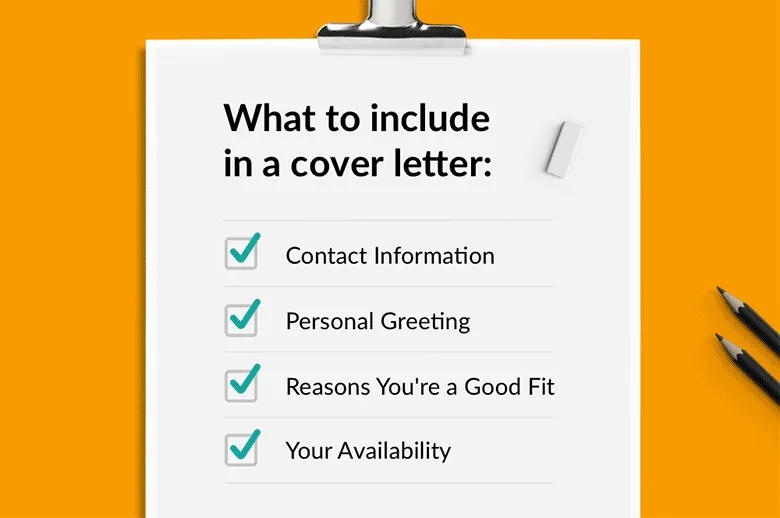
Your header should include your contact information, the date, and the hiring manager’s name and title. Use a professional font, such as Times New Roman, Arial, or Calibri. Ensure the header is well-formatted and easy to read. Using the hiring manager’s name shows that you paid attention to details. If you can’t find the name, then find a suitable title.
Body of the Letter

The body of your letter should consist of three to four paragraphs. The first paragraph should state the purpose of the letter, identify the position you are applying for, and briefly explain how you found the opportunity. The second and third paragraphs should highlight your relevant skills, experience, and achievements, using specific examples to support your claims. Tailor these paragraphs to the job and the company. The final paragraph should reiterate your interest in the position, express your gratitude for their time and consideration, and include a call to action, such as requesting an interview.
Closing
The closing of your cover letter should be professional and polite. Use a standard closing, such as “Sincerely” or “Best regards”, followed by your full name. Ensure that your contact information is clearly visible, and consider including a link to your online portfolio or professional profile. Be sure to thank the hiring manager for their time and consideration. A strong closing reinforces your interest in the position and leaves a lasting positive impression. Carefully review the entire letter before sending, ensuring it is well-formatted, error-free, and reflects your professionalism.