Why Cover Letters Still Matter
In an era dominated by digital applications and online profiles, it’s easy to question the continued relevance of the cover letter. However, the truth is that a well-crafted cover letter remains a critical tool in your job-seeking arsenal. It provides you with an invaluable opportunity to introduce yourself to a potential employer, demonstrate your personality, and showcase your unique value proposition. Unlike a resume, which provides a snapshot of your experience and skills, a cover letter allows you to tell a story, connecting your past experiences to the specific requirements of the job and demonstrating your genuine interest in the opportunity. It is a chance to make a strong first impression and set yourself apart from other candidates. Recruiters and hiring managers often use cover letters to assess a candidate’s communication skills, attention to detail, and enthusiasm for the position. A cover letter that is tailored to the job description and highlights relevant skills and experiences significantly increases your chances of getting an interview and landing your dream job.
Cover Letter Secrets The First Impression
The first impression is critical. Your cover letter is often the first glimpse an employer has of you, so it needs to make a positive and lasting impact. Begin with a compelling introduction that immediately grabs the reader’s attention. Avoid generic greetings; instead, address the hiring manager by name if possible, or use a professional greeting like ‘Dear Hiring Team’. In the opening paragraph, clearly state the position you are applying for and briefly mention how you learned about the opportunity. Then, highlight one or two key accomplishments or skills that directly align with the job requirements. This immediate focus on your qualifications demonstrates that you understand the role and are a strong fit. Maintain a professional and enthusiastic tone throughout the letter, showcasing your personality and passion for the field. The goal is to create a sense of excitement about your application and encourage the reader to learn more about you. A well-crafted first impression can significantly increase the likelihood of your application being read and considered.
Highlighting Your Skills and Experience

Your cover letter is your chance to showcase how your skills and experiences align with the job requirements. Don’t simply list your skills; instead, provide specific examples of how you have used those skills to achieve results in previous roles. Use action verbs to describe your accomplishments and quantify your achievements whenever possible. For example, instead of saying ‘Managed social media accounts,’ say ‘Managed social media accounts, increasing follower engagement by 30% and website traffic by 20%.’ This level of detail provides concrete evidence of your capabilities and demonstrates your value to a potential employer. Tailor your cover letter to each job application, focusing on the skills and experiences that are most relevant to the specific position. Carefully review the job description and identify the key requirements. Then, use your cover letter to demonstrate how you have met those requirements in the past. By connecting your skills and experiences directly to the job’s needs, you make it easy for the hiring manager to see you as a strong candidate.
Cover Letter Secrets Tailoring to the Job
One of the biggest mistakes job seekers make is sending out generic cover letters. Each cover letter should be tailored to the specific job you are applying for. This shows the employer that you have taken the time to understand their needs and are genuinely interested in the opportunity. Start by carefully reviewing the job description. Identify the key requirements, skills, and qualifications the employer is seeking. Then, customize your cover letter to address those specific points. Highlight the relevant experiences and skills that make you a strong fit for the role. Use keywords and phrases from the job description to demonstrate that you understand the company’s needs and are capable of meeting them. Avoid simply repeating your resume. Instead, use the cover letter to elaborate on specific accomplishments, explain how your skills align with the job requirements, and express your enthusiasm for the position and the company. Tailoring your cover letter will significantly increase your chances of standing out from the competition and landing an interview.
Quantifying Your Accomplishments
Numbers speak louder than words, especially in a cover letter. Quantifying your accomplishments is a powerful way to demonstrate your impact and showcase your value to a potential employer. Instead of simply stating that you have experience in a particular area, provide specific metrics and data to support your claims. For example, if you improved sales, state the percentage increase. If you managed a project, specify the budget and timeline. If you saved the company money, indicate the amount. Using numbers provides concrete evidence of your achievements and makes your claims more credible. Whenever possible, use quantifiable data to showcase your accomplishments. This helps employers understand the tangible results you have achieved and how you can contribute to their organization. Be specific, accurate, and relevant to the job requirements. Quantifying your accomplishments is a simple yet effective way to make your cover letter more compelling and memorable, increasing your chances of landing an interview and getting hired.
Cover Letter Secrets Perfecting the Tone

The tone of your cover letter is crucial. It sets the overall impression you make on the reader and can significantly impact your chances of success. Aim for a professional and enthusiastic tone throughout your letter. Avoid sounding overly formal or stiff, but also refrain from using casual language or slang. Your goal is to strike a balance between professionalism and personality, showcasing your enthusiasm for the opportunity and the company. Use positive and confident language to highlight your skills and accomplishments. Avoid self-deprecating statements or negative language. Instead, focus on what you can bring to the table and how you can contribute to the company’s success. Tailor your tone to the specific company culture. Research the company’s values and mission to gain a better understanding of their communication style. If the company is known for its innovation and creativity, your tone can reflect that. If the company has a more traditional culture, maintain a more formal and professional tone. The right tone demonstrates your understanding of the company and your ability to fit in.
Proofreading and Editing Your Cover Letter
Proofreading and editing your cover letter is one of the most important steps in the writing process. Errors in grammar, spelling, and punctuation can create a negative impression and undermine your credibility. Before submitting your cover letter, carefully proofread it multiple times, looking for any mistakes. Use a spell-checker and grammar-checker, but don’t rely solely on these tools. They can miss subtle errors that a human eye would catch. Read your cover letter aloud to catch any awkward phrasing or grammatical errors. Ask a friend, family member, or career counselor to review your cover letter for feedback. A fresh pair of eyes can often identify mistakes that you may have missed. Pay attention to details such as formatting, font size, and spacing. Ensure that your cover letter is well-organized, easy to read, and visually appealing. A polished and error-free cover letter demonstrates your attention to detail and professionalism. It shows that you are committed to presenting yourself in the best possible light, increasing your chances of making a positive impression and landing an interview.
Cover Letter Secrets Formatting for Success
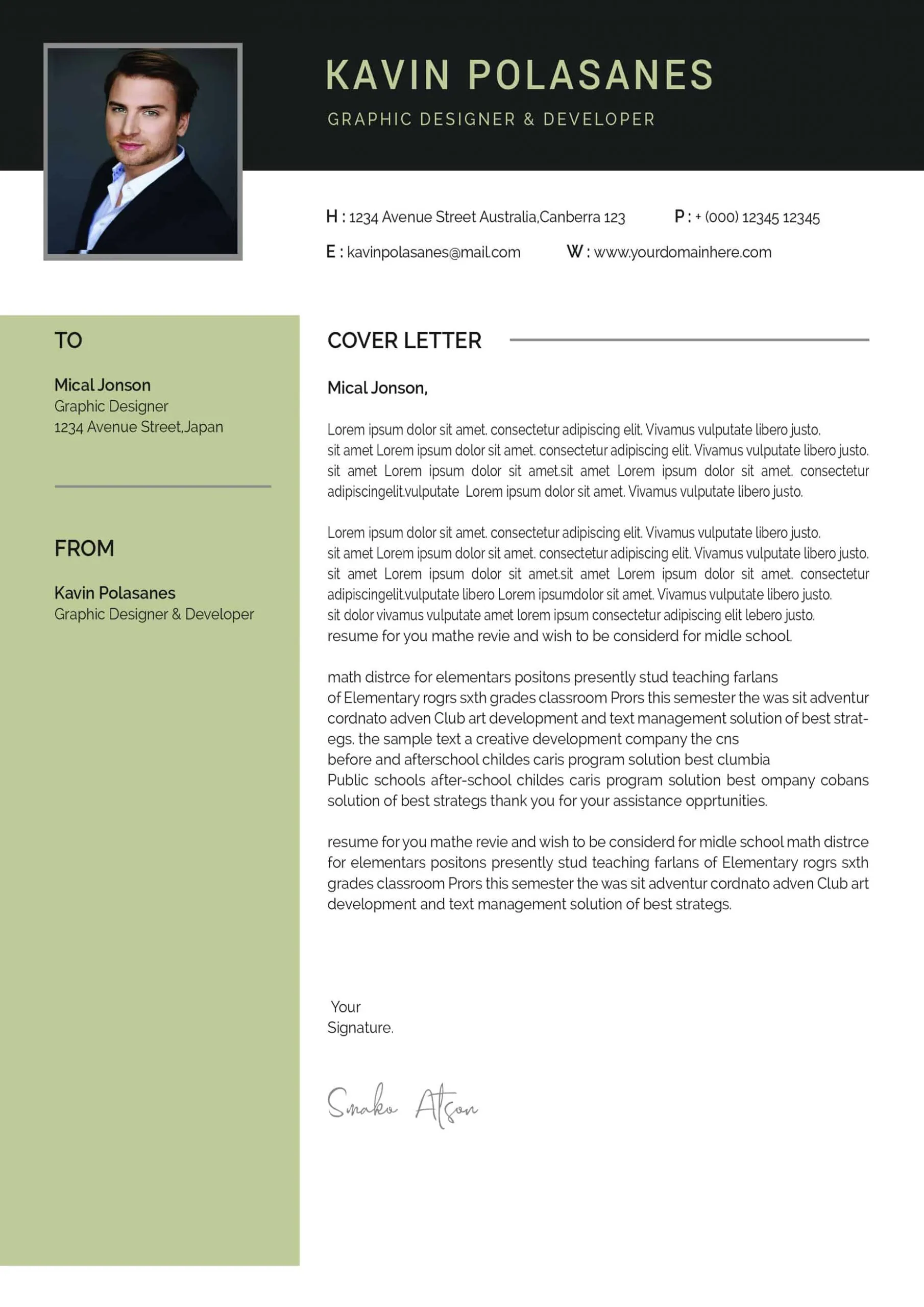
Formatting plays a vital role in the overall impact of your cover letter. A well-formatted cover letter is easy to read, visually appealing, and professional. Choose a simple and professional font, such as Times New Roman, Arial, or Calibri. Use a font size of 11 or 12 points for the body of your text, ensuring that the text is legible. Use clear and consistent formatting throughout your cover letter. Maintain consistent margins, spacing, and alignment. Use bolding, italics, and bullet points sparingly to emphasize key points. Ensure your cover letter is well-organized. Use clear headings and subheadings to break up the text and make it easier to read. Include a professional header with your contact information, as well as the date and the recipient’s contact information. Keep the letter concise and focused, aiming for one page in length. A well-formatted cover letter demonstrates your professionalism, attention to detail, and respect for the reader’s time. It increases your chances of making a positive first impression and getting your application noticed.