Why a Cover Letter Is Essential
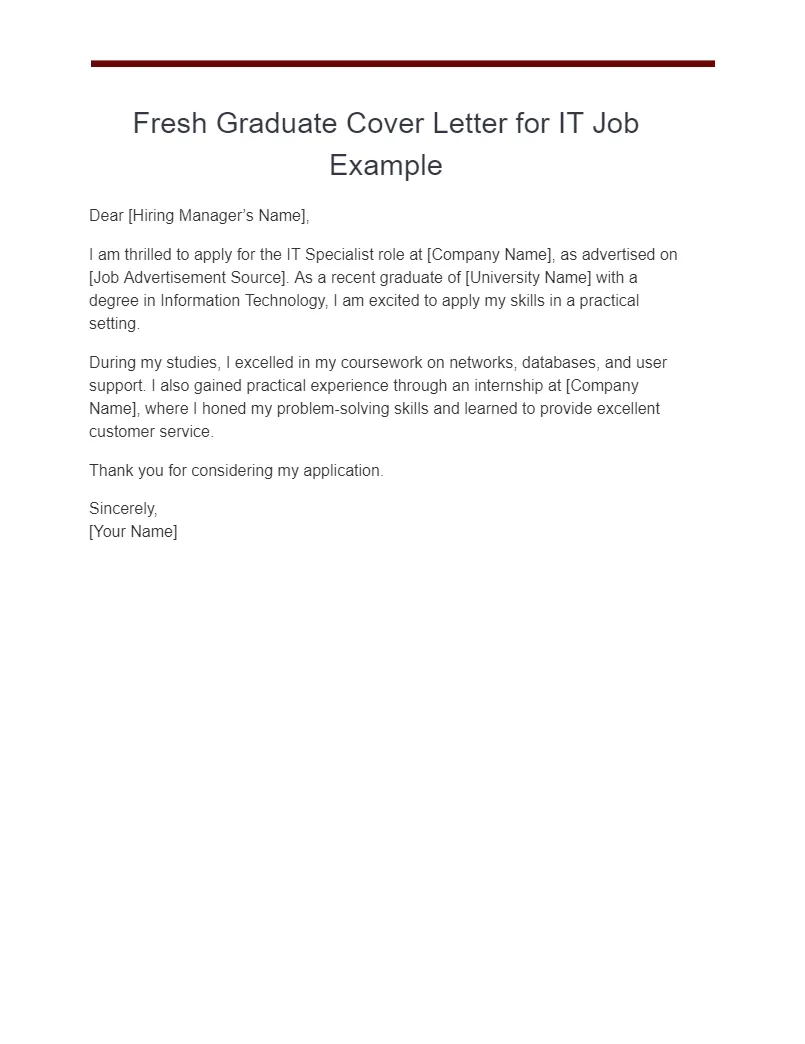
As a recent college graduate, you’re stepping into a competitive job market. You’re often up against candidates with more experience. That’s where a well-crafted cover letter becomes invaluable. It’s your chance to make a strong first impression and show potential employers why you’re the right fit. A cover letter lets you tell your story and explain gaps in your resume. The cover letter is an essential tool that highlights your skills, experiences, and enthusiasm in a way a resume cannot. In today’s environment, a great cover letter is often the deciding factor. A strong cover letter tells a cohesive narrative, connecting your experiences to the job’s requirements. A cover letter demonstrates your unique fit for the role. Be sure to add a clear call to action.
The Importance of Tailoring Your Cover Letter
Generic cover letters rarely impress. The key to a successful cover letter is tailoring it to each job application. Carefully read the job description and identify the key skills, experiences, and qualifications the employer is seeking. Weave these into your letter. Provide specific examples of how you’ve demonstrated these qualities in your academic, extracurricular, or previous work experiences. Research the company and the specific role. Show that you understand their mission, values, and the challenges they face. Tailoring demonstrates genuine interest and a proactive approach. Tailoring proves you understand the role and company and why you are a great fit. Never use the same cover letter for different job applications, each should be unique and specific. This shows you put in time and effort.
Cover Letter Example 1 The Enthusiastic Approach

This approach highlights your passion for the industry or role. It injects personality and excitement into your application. Begin by expressing your enthusiasm for the company and the position. Briefly explain why you are drawn to the role and what excites you about the company’s mission or values. In the body, provide examples of how your experiences have prepared you. Highlight projects, coursework, or activities demonstrating your skills and passion. Close by reiterating your enthusiasm and eagerness to learn more. This approach shows your excitement and includes relevant skills. This shows your personality and dedication.
Highlighting Your Passion and Drive
When showcasing passion, be specific. Instead of saying you’re passionate about marketing, describe a project, its results, and what you enjoyed. Similarly, if you’re driven by an industry trend, mention how it fuels your interest. Detail projects, challenges overcome, and lessons learned to demonstrate initiative. This shows enthusiasm, your proactive nature, and your ability to learn and grow. Provide concrete examples of passion translating into action. Tailor examples to the specific role. Show how you’re a passionate and results-oriented individual. This makes you stand out.
Showcasing Relevant Skills and Experiences
Even with limited professional experience, you have skills to leverage. Highlight coursework, projects, internships, or volunteer activities. Focus on transferable skills such as communication, teamwork, problem-solving, and time management. Provide specific examples of how you’ve applied these skills. If applying for a project management role, describe a project you led, the challenges, and how you overcame them. Quantify accomplishments. Instead of “managed a team,” say you “led a team of five students to successfully complete a project on time and under budget.” Provide evidence. Show that you are a well-rounded candidate. Use the STAR method to illustrate your strengths.
Cover Letter Example 2 The Skills-Focused Cover Letter

This is ideal if you’re transitioning careers or if the job emphasizes specific skills. It shifts the focus to your abilities. Start by identifying the key skills required for the job. In the body, provide specific examples of how you’ve developed and used these skills. If the job requires strong communication, describe projects where you communicated complex information successfully. For a role emphasizing analytical skills, highlight any data analysis work. Use this to prove you’re the best fit. Tailor your letter to the job description. Skills-based cover letters are effective; support them with examples. Show you are the best candidate.
Emphasizing Transferable Skills
Transferable skills can be applied across different jobs and industries. Examples include communication, problem-solving, leadership, teamwork, and time management. For recent graduates, these are often developed through academics, extracurriculars, and part-time jobs. Identify the skills most relevant to the job and provide specific examples of how you’ve demonstrated them. If applying for a marketing role, highlight experience in social media management, content creation, or market research. Quantify achievements. This proves you possess the skills necessary to succeed. Focus on these skills. Use examples from your life. These examples demonstrate your strengths. The recruiter will know you have relevant skills, even if you don’t have much experience.
Quantifying Your Accomplishments
Numbers speak volumes. Quantify your accomplishments to demonstrate the impact of your skills. Instead of saying you “improved customer satisfaction,” say you “increased customer satisfaction scores by 15% through implementing a new feedback system.” If you managed a budget, specify the size and how you managed it. If you led a project, mention its scope, timeline, and results. Quantitative data provides concrete evidence and makes your cover letter more persuasive. Ensure quantifiable achievements relate to the job’s requirements. Quantifying accomplishments clearly illustrates your capabilities, showing the recruiter your value. Quantify your achievements to leave a lasting impression. Make sure your numbers are relevant.
Cover Letter Example 3 The Achievement-Oriented Cover Letter

This approach focuses on your accomplishments and results. It’s effective if you have specific successes. Start by identifying key achievements from your academic, extracurricular, or work experiences. Use the STAR method (Situation, Task, Action, Result) to structure your examples. Describe the situation, task, actions taken, and results. This method showcases your accomplishments. Provide examples of when you used your skills. This approach convinces employers you’re the ideal candidate. Use the STAR method to demonstrate your strengths. This approach shows your abilities and increases the recruiter’s confidence. It shows your skills and abilities.
Focusing on Tangible Results
When writing an achievement-oriented cover letter, focus on tangible results. What did you accomplish? How did your actions benefit the organization or project? Provide specific data and metrics to illustrate your impact. If you improved a process, mention the percentage reduction in errors or the time saved. If you generated leads, state the number of leads generated or the increase in conversions. Don’t just list responsibilities; highlight what you achieved. Emphasize the tangible results you achieved. This makes you a more compelling candidate. Focus on the outcome and the value you provide. This approach demonstrates value and shows you can get results.
Using Action Verbs Effectively
Action verbs make your cover letter dynamic and impactful. They describe your accomplishments clearly. Start your sentences with strong action verbs: managed, led, created, implemented, developed, improved, and achieved. Avoid passive voice and use active voice for engagement. Instead of “Responsibilities included…,” write “Managed a team…”, using active language. Use a variety of action verbs to avoid repetition and keep your writing interesting. This ensures you’re seen as proactive. Choose the right action verbs to show your accomplishments. Active language conveys the impact of your contributions. Ensure your action verbs are specific, showing your skills. Use strong verbs to grab the reader’s attention.
Cover Letter Example 4 The Networking-Based Cover Letter

Networking is a powerful tool. This approach leverages your connections. If you were referred, mention the referrer’s name. Explain how you know them and why they encouraged you to apply. If you lack a referral, use other networking methods. If you connected with someone at the company on LinkedIn or attended an event, mention that interaction. This demonstrates initiative and interest. This adds a personal touch. Networking is a good way to learn about the company. This approach highlights your networking abilities and shows your initiative.
Leveraging Connections
When leveraging connections, mention the name of the person who referred you. Briefly explain your relationship and why they thought you’d be a good fit. If you connected on LinkedIn, mention the interaction and what you learned. This shows you’ve researched and are proactive. If you attended a company event, mention it and what you learned. This helps show your genuine interest. Use your connections to gain insights. This personal touch makes your application stand out. It increases the likelihood of an interview. It also helps the recruiter. Make sure to include the referrer’s name. This helps you stand out.
Expressing Genuine Interest in the Company
Express your genuine interest in the company. Demonstrate research by mentioning specific aspects of their mission, values, or recent projects. Explain why you’re excited and how you see yourself contributing. This detail shows you’re serious and have a deep understanding. Tailor your cover letter to the company and role. This detail grabs the hiring manager’s attention. This makes you more memorable. Show enthusiasm and demonstrate knowledge. Make sure you are enthusiastic about the company and the role.
Cover Letter Example 5 The Problem-Solving Approach
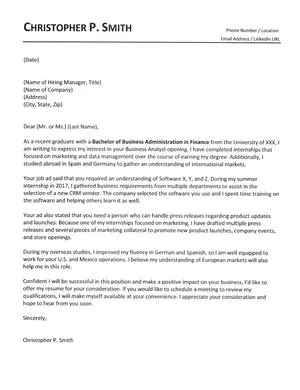
This approach focuses on identifying a problem and proposing solutions based on your skills. Research the company and identify potential challenges. In your cover letter, explain the problem and propose solutions, highlighting how your skills make you the ideal candidate. This demonstrates initiative and critical thinking. This approach is great for showing initiative. Demonstrate your proactiveness. For example, propose a marketing strategy to increase awareness and drive sales. Highlight how you can assist the company. This shows the value you bring to the organization. This strategy highlights your willingness to address their problems.
Identifying the Employer’s Needs
Understand the employer’s needs by researching the company, industry, and competitors. Read the job description carefully. Identify key challenges and priorities. If the company struggles with a particular issue, address it in your letter. This shows that you understand and are prepared to help. Use the job description, website, and news articles. Once you’ve identified the needs, tailor your letter to address them directly. This shows you’re a proactive candidate. Show your ability to provide solutions. Showing you understand the company’s needs shows that you are knowledgeable.
Proposing Solutions with Your Skills
Propose solutions based on your skills and experiences. Explain how you would approach the problem and the steps you would take to achieve a positive outcome. Provide specific examples of how you’ve used your skills to solve similar problems. Use action verbs. Emphasize the value you can bring. This demonstrates that you’re a proactive candidate. Show the recruiter your value and that you have initiative. Explain the steps you will take to provide a solution to the company’s problem.
Key Takeaways and Best Practices

No matter which approach, tailor your cover letter. Proofread for typos and grammatical errors. Use a professional tone and format. Keep it concise. Highlight your skills and accomplishments. Show enthusiasm for the opportunity. Use action verbs. Quantify achievements. Research the company and the role. Express genuine interest. By following these tips, you’ll stand out and get your dream job. Make sure to customize your cover letter. You must proofread and create a compelling narrative to attract the hiring manager. The goal is to show how you are a great fit.