What is a Cover Letter
A cover letter is a crucial document that accompanies your resume when applying for a job. It serves as your personal introduction to the hiring manager, providing context and highlighting your qualifications. It’s an opportunity to showcase your personality, express your enthusiasm for the role, and explain why you’re the perfect fit for the company. Think of it as your chance to make a strong first impression and persuade the employer to read your resume more closely. A well-written cover letter can significantly increase your chances of landing an interview, while a poorly written one can lead to your application being overlooked. Therefore, crafting a compelling cover letter is an essential step in any job search.
The Purpose of a Cover Letter
The primary purpose of a cover letter is to persuade the hiring manager to consider your application. It’s not just a summary of your resume; it’s a chance to tell your story and connect with the reader on a more personal level. The cover letter should explain why you’re interested in the specific job and the company, demonstrating that you’ve done your research. It should also highlight the skills and experiences that make you a strong candidate, linking them to the requirements outlined in the job description. Furthermore, a cover letter allows you to address any potential concerns or gaps in your resume, providing context and reassurance to the hiring manager. By effectively communicating your value proposition, a cover letter increases your chances of getting an interview.
Key Elements of an Effective Cover Letter

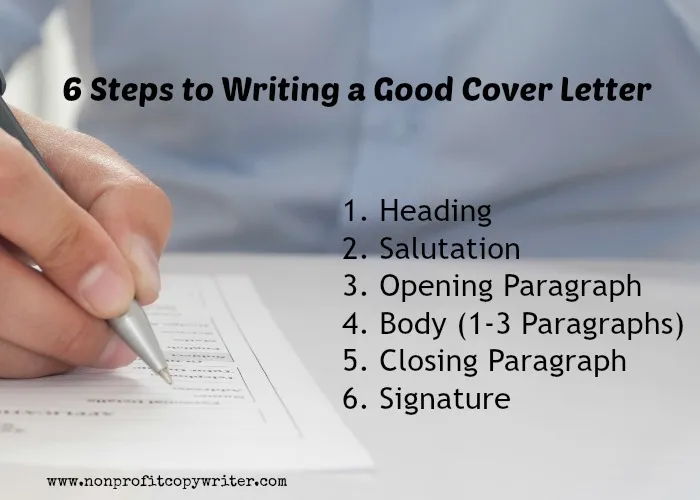
Several key elements contribute to an effective cover letter. First, a strong opening that grabs the reader’s attention and clearly states the position you’re applying for. Second, a concise and well-structured body that highlights relevant skills, experiences, and accomplishments. Third, a clear demonstration of your understanding of the company and the role, showing that you’ve tailored your letter to the specific opportunity. Fourth, a professional tone and language, free of errors and typos. Fifth, a call to action, encouraging the hiring manager to contact you for an interview. Finally, the letter should be well-formatted and easy to read. By incorporating these elements, you can create a cover letter that effectively showcases your qualifications and increases your chances of getting an interview. Ensure that all information is accurate and truthfully represents your abilities.
5 Powerful Cover Letter Examples
Here are five examples of cover letters, each demonstrating a different approach to writing. These examples are designed to give you inspiration and guidance as you craft your own unique cover letter. Each example highlights different aspects of the job application and provides an overview of each method of writing a cover letter. Remember to adapt these examples to your own skills, experiences, and the specific job you’re applying for. Use this information to build your own examples and use the best aspects to make your application outstanding.
Example 1 The Enthusiastic Professional
This cover letter example emphasizes enthusiasm and passion for the role and the company. It directly addresses the hiring manager, showcasing genuine excitement for the opportunity. It uses strong action verbs to highlight accomplishments and demonstrates a clear understanding of the company’s mission and values. The tone is energetic and positive, aiming to capture the reader’s attention and create a favorable impression. The enthusiastic professional cover letter example also shows you have researched the company and want to be a part of their team, and expresses the applicants excitement for the company’s products.
Key Takeaways from Example 1

- Express genuine enthusiasm for the role and company.
- Use strong action verbs to highlight achievements.
- Demonstrate a clear understanding of the company’s mission and values.
- Maintain an energetic and positive tone.
Example 2 The Targeted Approach
This example focuses on tailoring the cover letter to the specific job description and requirements. It carefully analyzes the job posting and highlights the skills and experiences that directly align with the needs of the position. The letter uses keywords from the job description to demonstrate a clear understanding of what the employer is looking for. It also includes specific examples of past accomplishments that showcase relevant skills. The targeted approach demonstrates a proactive attitude and a strong understanding of the role’s responsibilities. This method also demonstrates the applicants understanding of the role’s main responsibilities.
Key Takeaways from Example 2
- Carefully analyze the job description.
- Highlight skills and experiences that align with the requirements.
- Use keywords from the job description.
- Provide specific examples of accomplishments.
Example 3 The Storyteller

This cover letter example uses the power of storytelling to captivate the reader. Instead of simply listing qualifications, it weaves a narrative that showcases the applicant’s journey and experiences. The story highlights key moments, challenges overcome, and lessons learned, making the applicant more memorable. It connects the applicant’s personal experiences to the requirements of the job, demonstrating how their unique perspective can benefit the company. This method can make you memorable, and shows you’re more than just a list of skills. It shows your character and ability to overcome obstacles.
Key Takeaways from Example 3
- Weave a narrative that showcases the applicant’s journey.
- Highlight key moments, challenges overcome, and lessons learned.
- Connect personal experiences to the job requirements.
- Make the applicant more memorable.
Example 4 The Skills-Focused Letter
This type of cover letter prioritizes the applicant’s skills and how they align with the job requirements. It starts with a concise summary of the key skills and then provides specific examples of how those skills have been used in past experiences. The emphasis is on what the applicant can do for the company, using concrete examples to demonstrate proficiency. The skills-focused letter is particularly effective when the job description emphasizes specific skills or competencies. The letter directly addresses how the skills match up with the application, helping the reader understand how you’re the best fit.
Key Takeaways from Example 4

- Prioritize the applicant’s skills and how they align with the job.
- Provide specific examples of how skills have been used.
- Emphasize what the applicant can do for the company.
- Use concrete examples to demonstrate proficiency.
Example 5 The Referral Advantage
This example leverages the power of a referral to gain an advantage. It starts by mentioning the person who referred the applicant and their connection to the company. It highlights the applicant’s understanding of the company culture and values, often based on information provided by the referrer. The letter builds on the referral by emphasizing the applicant’s skills and experiences that align with the job requirements. This approach can provide credibility and increase the chances of the application being reviewed. This can also help demonstrate your commitment to the company, and give the employer a potential insight into you as a person.
Key Takeaways from Example 5
- Mention the referral and their connection to the company.
- Highlight understanding of the company culture and values.
- Build on the referral by emphasizing skills and experiences.
- Increase the chances of the application being reviewed.
Tips for Writing Your Own Cover Letter

Creating a compelling cover letter requires careful planning and execution. Here are some essential tips to guide you through the process. By following these tips, you can increase the effectiveness of your cover letter and improve your chances of getting an interview. Always remember to tailor your cover letter to each specific job and company.
Tailoring to the Job Description
The most important tip is to tailor your cover letter to each job description. Read the job posting carefully and identify the key skills and experiences the employer is looking for. Highlight the qualifications that directly align with those requirements, and use keywords from the job description to demonstrate your understanding. Avoid using a generic cover letter; instead, customize it to reflect the specific needs of the role. This shows the hiring manager that you’ve taken the time to understand the position and are genuinely interested in the opportunity. Be prepared to make changes for each application, and use this as a part of your job application strategy.
Proofreading and Editing
Proofreading and editing are crucial steps in ensuring your cover letter is polished and professional. Before submitting your application, carefully review your cover letter for any errors in grammar, spelling, punctuation, and formatting. Read the letter aloud to catch any awkward phrasing or unclear sentences. Ask a friend, family member, or career counselor to review your cover letter for feedback. A well-edited cover letter demonstrates attention to detail and professionalism, while errors can make a negative impression. Always take time to check everything is correct, and never submit something that is rushed. This also reduces the potential of missing out on your dream job.
Formatting for Readability

The format of your cover letter should be clean, readable, and easy to scan. Use a professional font, such as Times New Roman, Arial, or Calibri, in a readable size. Use clear headings and subheadings to break up the text and make it easier to follow. Use bullet points or numbered lists to highlight key information or achievements. Ensure that the letter is well-spaced and visually appealing. A well-formatted cover letter is more likely to be read and understood by the hiring manager, and it demonstrates your attention to detail. Make sure the margins are correct, and that everything flows well.
Conclusion
Writing a compelling cover letter is an essential step in the job application process. By understanding the purpose of a cover letter, using the key elements, and following the tips provided, you can create a document that effectively showcases your qualifications and increases your chances of getting an interview. Remember to tailor your cover letter to each job description, proofread carefully, and format it for readability. With a well-crafted cover letter, you’ll be well on your way to landing your dream job. Utilize all the examples, and create your own unique applications, and prepare to find the perfect role for you.