Why Cover Letters Still Matter
In the digital age, with online applications and resume submissions, you might wonder if a cover letter is still relevant. The answer is a resounding yes! A well-crafted cover letter can significantly boost your chances of landing an interview by providing a personalized introduction, expanding on your resume, and showcasing your communication skills. It’s your chance to tell your story and demonstrate why you’re the perfect fit for the role, beyond the bullet points of your experience. It is an opportunity to highlight your personality and enthusiasm, making you more than just a list of qualifications. Ignoring this step is a significant misstep in your job search strategy.
Highlighting Your Key Skills
Your cover letter is the ideal place to spotlight the skills most relevant to the job description. Don’t just list skills; provide specific examples of how you’ve used them to achieve results. This approach demonstrates your capabilities rather than simply stating them. Think of it as a mini-case study where you showcase your problem-solving abilities and illustrate your value proposition. Refer to the job description and use their language, but don’t just rehash your resume. Provide additional context and elaborate on the impact of your skills. This is where you can truly shine and demonstrate your understanding of the role.
Matching Skills to Job Requirements

Carefully analyze the job description to identify the required skills and qualifications. Then, tailor your cover letter to specifically address these needs. For each skill mentioned, provide a brief example of how you’ve successfully applied it in a previous role or project. This targeted approach shows the hiring manager that you’ve read the description, understand the requirements, and possess the necessary abilities. This level of detail demonstrates your attention to detail and your genuine interest in the position. By demonstrating this, you’re setting yourself apart from candidates who submit generic cover letters.
Showcasing Your Achievements
While your resume lists your work experience, your cover letter is your opportunity to elaborate on your achievements. Instead of simply stating your responsibilities, focus on the results you’ve achieved in previous roles. This could include increased sales, improved efficiency, or successful project completion. Quantify your accomplishments whenever possible to provide concrete evidence of your value. This approach provides a more compelling and persuasive narrative that showcases your potential to the hiring manager. Use action verbs to describe your contributions and ensure your achievements directly relate to the job requirements.
Quantifying Your Accomplishments
Numbers speak louder than words. Whenever possible, quantify your achievements to provide tangible evidence of your contributions. For example, instead of saying “Improved customer satisfaction,” state “Increased customer satisfaction by 15% through implementing new support strategies.” Use metrics, percentages, and specific data to illustrate your impact. This gives the hiring manager a clear understanding of your capabilities and the value you bring. This data-driven approach strengthens your application and makes a lasting impression, showcasing your ability to deliver results. Don’t be afraid to brag a little; this is your chance to shine.
Tailoring Your Letter to Each Application

A generic cover letter is a surefire way to end up in the rejection pile. Tailoring your cover letter to each specific job application is crucial. This shows the hiring manager that you’ve invested time and effort in understanding the role and the company. Address the letter to a specific person whenever possible (researching the hiring manager’s name is a great idea!). Refer to the job description and highlight the specific skills and experiences that align with the requirements. This personalized approach demonstrates your genuine interest and increases your chances of getting noticed.
Researching the Company and Role
Before you start writing, research the company and the specific role. Understand their mission, values, and recent projects. This knowledge will allow you to tailor your cover letter to their specific needs and demonstrate your genuine interest. Visit their website, read their blog, and check their social media presence. When you understand the company culture and the role’s responsibilities, you can write a more compelling and relevant cover letter. This research will also give you valuable insights to use specific keywords and phrases that show you understand the company’s vision.
Using Keywords Strategically
Carefully review the job description and identify the key skills and keywords the employer is looking for. Incorporate these keywords naturally throughout your cover letter. This ensures that your application passes through applicant tracking systems (ATS) and gets seen by a human. However, don’t stuff your cover letter with keywords. Use them strategically and organically, ensuring that the language flows naturally and that your skills are clearly communicated. This approach will increase the likelihood of your cover letter resonating with the hiring manager. Focus on quality over quantity and readability.
Formatting for Readability

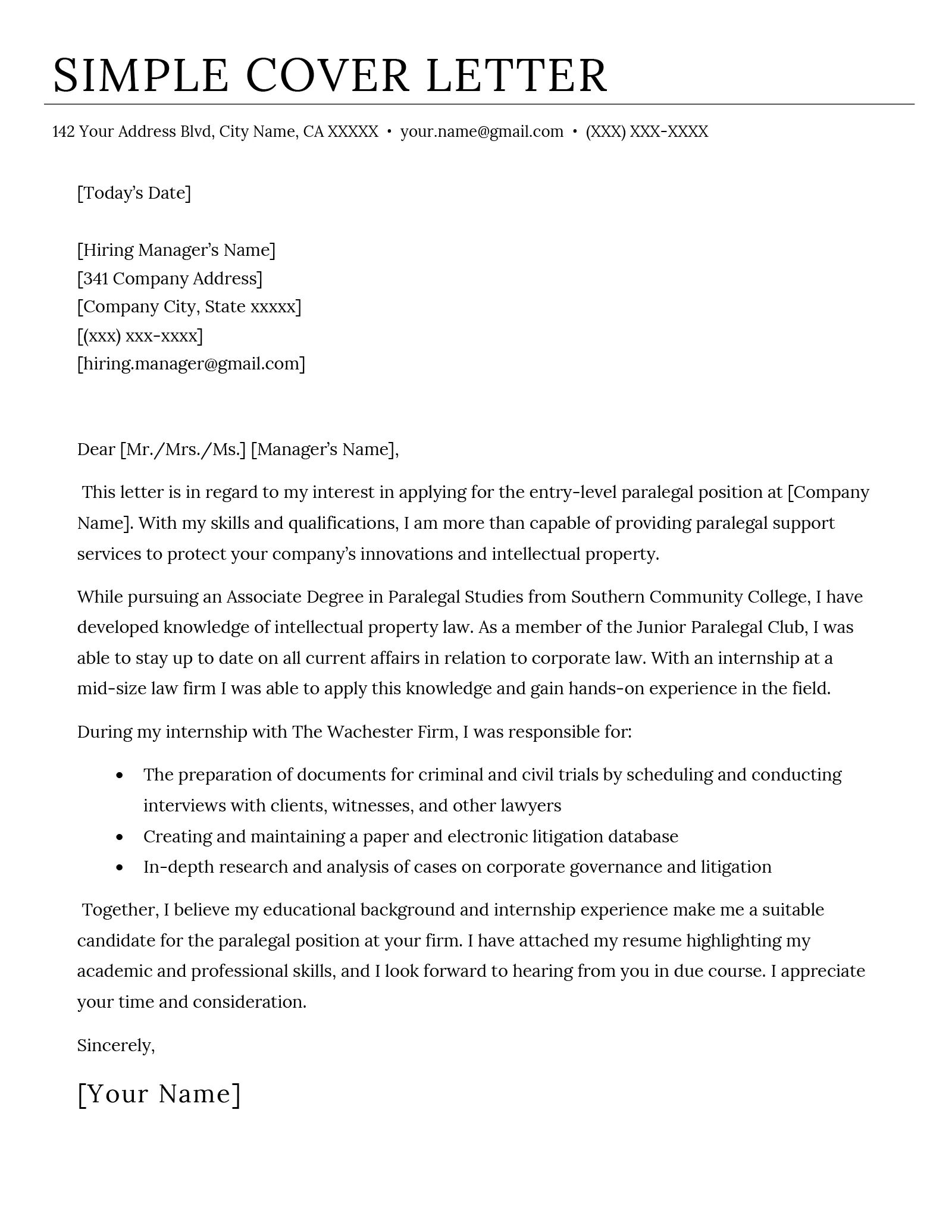
A well-formatted cover letter is easy to read and visually appealing. It demonstrates professionalism and attention to detail. Use a clear, legible font like Arial or Times New Roman in a standard size (e.g., 11 or 12 points). Use short paragraphs, bullet points, and plenty of white space to break up the text and make it easier on the eyes. A clean and well-organized layout ensures your key messages are easily grasped by the reader. It shows that you respect the reader’s time and consider this an important document.
Choosing the Right Font and Layout
Select a font that is professional and easy to read. Avoid overly decorative or complex fonts that can distract from the content. Use a standard layout with consistent margins and spacing. The goal is to make your cover letter visually appealing and easy to navigate. Keep it concise, ideally one page. This will help you highlight your most important qualifications and increase the likelihood of getting your application read. Proper formatting makes your letter inviting and easier to assess.
Keeping it Concise and Engaging
Hiring managers are busy, so get to the point quickly. Keep your cover letter concise, ideally within one page. Start with a strong opening that grabs the reader’s attention and clearly states your interest in the role. Highlight your most relevant skills and experience, and show enthusiasm for the opportunity. A concise and engaging cover letter will make a lasting impression, showcasing your ability to communicate effectively and capturing the reader’s interest from the beginning. Don’t waste time with generic phrases or unnecessary details.
Proofreading and Editing Meticulously

Before submitting your cover letter, proofread it carefully for any errors in grammar, spelling, and punctuation. These errors can undermine your credibility and make you appear unprofessional. Read your cover letter aloud to catch any awkward phrasing or grammatical mistakes. Use a grammar checker, but don’t rely solely on it. Proofreading is essential to make sure that your application is perfect and reflects well on you. A single mistake can change the impression of your entire letter. Take your time to perfect every detail.
Checking for Grammar and Spelling Errors
A cover letter with errors reflects poorly on your attention to detail and professionalism. Double-check your grammar and spelling using a grammar checker and, ideally, have a friend or colleague review your letter. Simple mistakes can undermine your message and may be interpreted as a lack of care or consideration. Ensure your sentences are structured correctly and that all words are spelled correctly. Take the time to proofread carefully before submitting, and always trust your instincts.
Ensuring a Professional Tone
Maintain a professional and respectful tone throughout your cover letter. Avoid slang, jargon, or overly casual language. Use a formal salutation (e.g., “Dear Mr./Ms. [Last Name]”) and a professional closing (e.g., “Sincerely”). Your tone should reflect the professionalism and respect you would demonstrate in the workplace. Always present yourself in a positive and confident light, emphasizing your skills and achievements. This helps you to make a good first impression and create a positive impression.
In conclusion, a well-crafted cover letter is still a critical tool in your job search arsenal. By highlighting your skills, showcasing your achievements, tailoring your letter to each application, and maintaining a professional tone, you can significantly increase your chances of landing an interview. Follow these five secrets to success and watch your application make an impression on potential employers. Good luck with your job search!