Cover Letter: Top 7 Things to Avoid
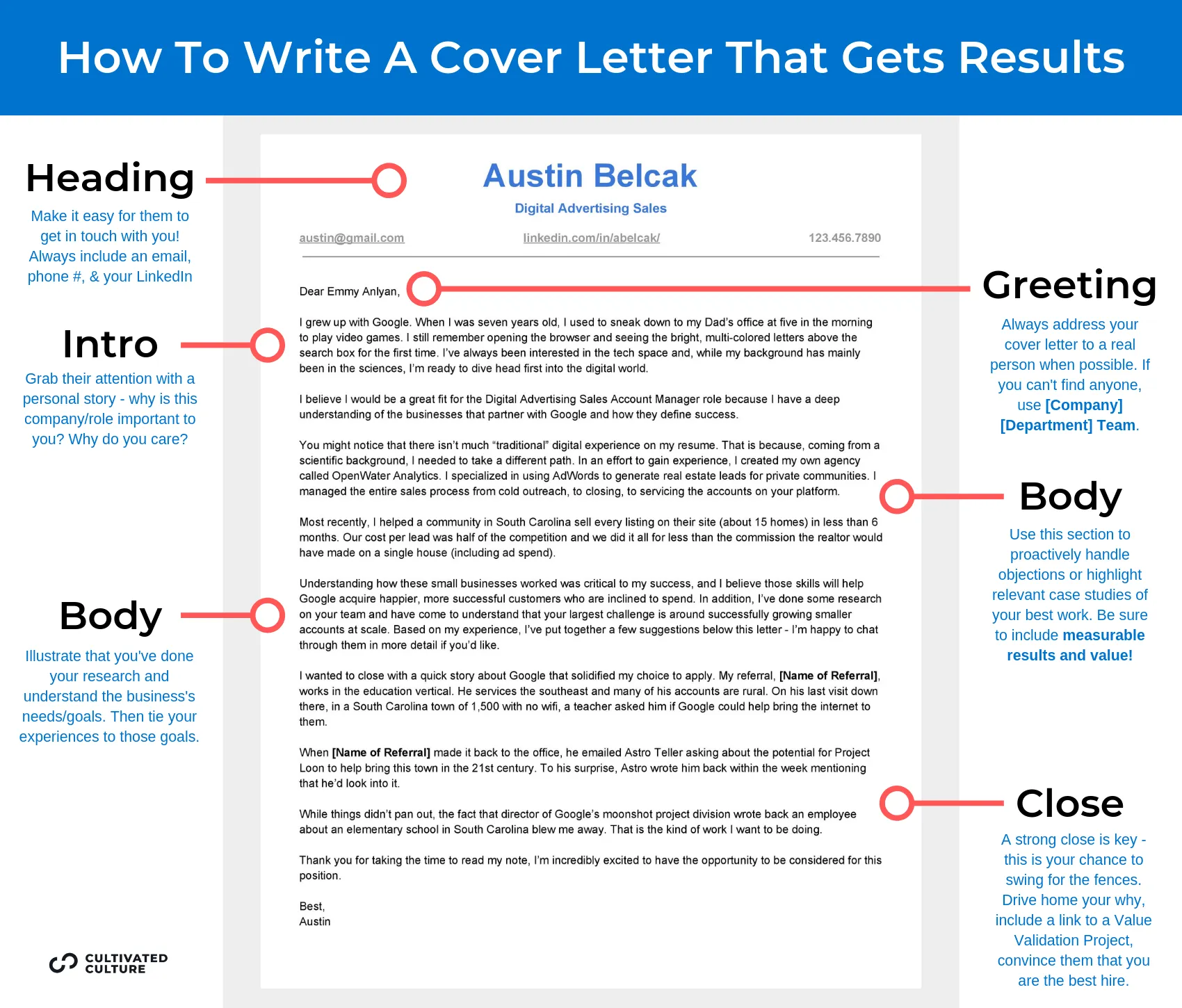
Crafting a compelling cover letter is a critical step in the job application process. It’s your first chance to make a positive impression on a potential employer and showcase why you’re the ideal candidate. However, many job seekers unintentionally sabotage their chances by including certain elements that can detract from their qualifications. Knowing what to avoid is just as crucial as knowing what to include. This guide will highlight seven key things to omit from your cover letter to ensure it effectively represents you and your abilities. By steering clear of these common pitfalls, you can significantly increase your chances of landing an interview and ultimately, the job. Let’s dive into the crucial elements that can make or break your application.
Irrelevant Information
One of the biggest mistakes is including information that isn’t relevant to the job you’re applying for. The cover letter should be a targeted document, specifically tailored to the requirements and responsibilities outlined in the job description. Any content that doesn’t directly support your qualifications or highlight your suitability for the role is essentially wasted space and can distract the hiring manager. Stick to discussing skills, experiences, and achievements that align with the job’s needs. This shows that you understand the position and are focused on delivering value.
Sharing Excessive Personal Details

While it’s important to let your personality shine through, avoid sharing too much personal information. The cover letter is not the place to discuss your hobbies, family life (unless relevant to your skills), or any other details that aren’t directly related to your professional qualifications. Keep the focus on your skills, experience, and how you can contribute to the company. This helps maintain a professional tone and ensures the hiring manager focuses on what matters most your ability to perform the job.
Salary Expectations
Unless specifically requested in the job posting, avoid mentioning your salary expectations in your cover letter. This is typically a discussion reserved for later stages of the hiring process, such as during an interview or when an offer is extended. By bringing up salary too early, you risk prematurely narrowing the scope of negotiation and potentially pricing yourself out of consideration. Instead, focus on showcasing your value and allowing the company to determine your worth based on your qualifications.
Negative Comments about Previous Employers
It’s never a good idea to speak negatively about previous employers, colleagues, or any past work experiences. This can be perceived as unprofessional and reflect poorly on your attitude and work ethic. Even if you had negative experiences, framing them in a positive light or focusing on what you learned from them is essential. The goal is to showcase your professionalism and ability to handle challenges constructively. If asked about past employers in an interview, always focus on the positive aspects and what you gained from the experience.
Cover Letter Overuse of ‘I’

While you need to describe your skills and experience, overuse of ‘I’ can make your cover letter sound self-centered. Aim for a balance by focusing on the company’s needs and how you can contribute to their success. Use action verbs and highlight accomplishments that align with the job requirements. Framing your statements around how you can benefit the company, rather than just what you’ve done, will make your cover letter more compelling and demonstrate your understanding of the role and the company’s objectives.
Generic and Uninspired Content
A generic cover letter is one of the quickest ways to get your application tossed aside. A generic cover letter often fails to make a lasting impression because it lacks personalization and depth. It does not capture the attention of the hiring manager and can feel like a mass-produced document. Tailor each cover letter to the specific job and company. Show that you’ve taken the time to understand their needs and are genuinely interested in the opportunity. This demonstrates your enthusiasm and makes your application stand out.
Using Clichés and Overused Phrases
Avoid clichés and overused phrases that make your cover letter sound generic. Phrases like ‘I am a team player,’ ‘hard worker,’ or ‘results-oriented’ are common and don’t provide unique insight into your skills or personality. Instead, use specific examples and quantifiable achievements to illustrate your abilities. By avoiding these overused phrases, you can showcase your unique value proposition and demonstrate your communication skills. This approach makes your application more memorable and shows that you’ve put thought and effort into your application.
Typos and Grammatical Errors

Typos and grammatical errors are a major red flag. They indicate a lack of attention to detail and can make you appear unprofessional. Always proofread your cover letter carefully, and consider having someone else review it as well. A fresh pair of eyes can often catch mistakes that you might miss. Ensure that your cover letter is free of errors and reflects your communication skills, which are essential for most professional roles.
Lengthy Cover Letters
Hiring managers are busy. They often have numerous applications to review, so keep your cover letter concise and to the point. Aim to keep it to one page, focusing on the most relevant information. Respect the reader’s time by highlighting your most impressive qualifications and explaining why you’re a great fit. Being brief demonstrates that you can communicate efficiently and respect the employer’s time. Be mindful of the hiring manager’s time and present your key qualifications in a clear and concise manner.
Unprofessional Formatting
Poor formatting can make your cover letter difficult to read and detract from its message. Use a clean and professional font, such as Times New Roman, Arial, or Calibri, with a standard font size. Ensure that your text is properly aligned, and use clear headings, bullet points, and spacing to organize your content. Avoid using excessive colors, graphics, or unusual layouts that might distract the reader. Proper formatting shows that you pay attention to detail and respect the reader’s experience.
Exceeding One Page

A cover letter should generally be no longer than one page. Hiring managers often skim through applications, and a lengthy cover letter can discourage them from reading the entire document. Keep the focus on your most compelling qualifications and experience. Be concise, but thorough, and ensure your letter communicates the key information effectively. Use concise language and prioritize the most relevant information, as exceeding this limit will likely cause the recruiter to stop reading and move on to the next candidate.
Lack of Customization
Sending a generic cover letter to multiple employers is a major mistake. It shows a lack of effort and a lack of interest in the specific role. Always tailor your cover letter to each job you apply for, highlighting how your skills and experience align with the job requirements. Research the company and demonstrate your understanding of their mission, values, and the role itself. Customization is essential for making a positive impression and demonstrating your genuine interest in the opportunity. The goal is to make the hiring manager feel like you’ve carefully considered the position and the company’s needs.
Failing to Research the Company
Before writing your cover letter, take the time to research the company. Understand their mission, values, and recent activities. Demonstrate your knowledge of the company in your cover letter by referencing their products, services, or recent accomplishments. Showing that you’ve done your homework demonstrates your genuine interest in the role and the company and will help you stand out. This also helps you align your goals with their objectives and showcase your enthusiasm for the opportunity.
Ignoring the Job Description

The job description is your primary guide when writing a cover letter. Carefully review the requirements, skills, and responsibilities listed. Then, tailor your cover letter to highlight how your qualifications and experiences align with these elements. This demonstrates that you understand the job’s needs and are a suitable candidate. Addressing the job description’s requirements directly helps you create a focused, relevant cover letter that maximizes your chances of getting an interview. Aligning your skills and experience with the job description is the most effective way to showcase your suitability for the role.
Closing
By avoiding these pitfalls, you can create a cover letter that effectively showcases your qualifications and makes a strong first impression. Remember to keep it concise, relevant, and tailored to the specific job and company. Proofread carefully and always focus on the positive aspects of your experience. A well-crafted cover letter is a crucial tool in your job search, significantly increasing your chances of landing an interview.