Understanding Salary Requirements in Cover Letters
Writing a cover letter is a crucial step in the job application process. It’s your first opportunity to make a strong impression on potential employers, showcasing your qualifications, skills, and enthusiasm for the role. While the primary focus of a cover letter is often on your experience and how you can contribute to the company, a frequently debated topic is whether and how to include your salary requirements. This article will guide you through the nuances of addressing salary expectations in your cover letter, providing tips and tricks to help you navigate this important aspect of the job application process effectively. It is important to consider the company and its expectations.
Why Include Salary Needs in Your Cover Letter?
There are several reasons why you might choose to include your salary needs in a cover letter. In some situations, the job posting explicitly requests it. Responding to this request demonstrates that you pay attention to detail and follow instructions, which can be important for some employers. Including your salary expectations upfront can also save time for both you and the employer. By clearly stating your desired salary range, you can avoid going through the entire interview process only to find out the offered salary is far below what you are willing to accept. This can make the whole process more efficient, allowing you to focus on opportunities that align with your financial needs. Including this information can make you look more professional.
When to Include Salary Requirements in Your Cover Letter

Deciding when to include salary requirements is a strategic decision. The most straightforward situation is when the job posting specifically asks for it. Ignoring this request could be seen as a lack of attention to detail and might lead to your application being overlooked. Another time to consider including your salary expectations is when you are applying for a government job or a role where the salary structure is typically transparent. Providing a salary range can be beneficial if you are confident about the market value of your skills and experience and want to avoid lowball offers. However, in other cases, it’s often best to defer salary discussions until the later stages of the interview process, when you have a better understanding of the role, the company, and its budget. Waiting gives you more leverage to negotiate and show your worth.
How to Research Salary Ranges
Before mentioning any salary figures, thorough research is essential. Several online resources can help you determine a reasonable salary range for the position and your experience level. Websites like Glassdoor, Salary.com, and Payscale provide salary data based on job titles, locations, and experience. These resources can give you a good starting point for understanding the market value of your skills. Additionally, consider the cost of living in the area where the job is located, as this can significantly impact the salary you need to maintain your current lifestyle. Networking with professionals in your field can also provide valuable insights into typical salary expectations for similar roles. This information is very important to make sure you are asking the right amount.
Using Salary Research to Your Advantage
Once you’ve gathered salary data, use it strategically. Instead of providing a single number, it’s generally best to offer a salary range. This allows for some flexibility and shows that you’re open to negotiation. Frame your range based on your research and your understanding of the company and the role. If you are very confident in your skills and experience, you can present a range that starts slightly above the average. If the job description mentions specific requirements or responsibilities that align with your expertise, use this to justify your desired salary. Remember that your goal is to find a salary that aligns with both your needs and the employer’s budget. Including your research will also make you look more professional.
Formatting Your Salary Expectations

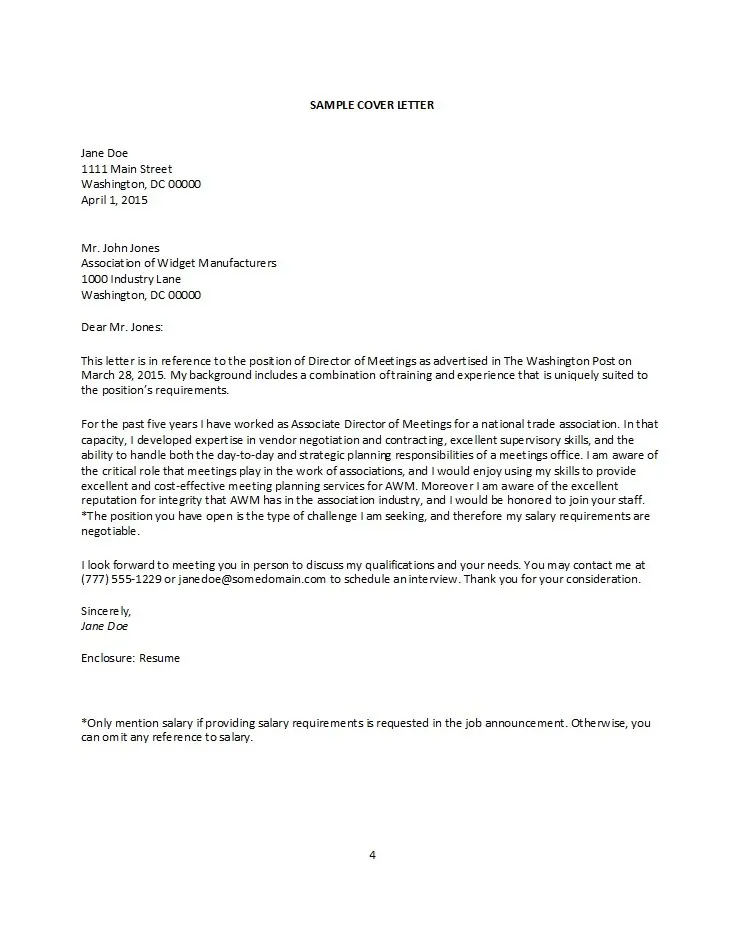
When including salary expectations, clarity and professionalism are crucial. If you’re using a range, make sure the numbers are clearly presented. For instance, you might write, “My salary expectations are in the range of $X to $Y annually.” If the job posting requests a specific salary, you can directly state your expectation. Keep the tone professional and avoid being overly demanding or vague. Always use standard currency formats and be precise. Do not include any unnecessary information and keep it brief and relevant. Your wording should reflect your understanding of the job and the market value of your skills. Proper formatting will make sure you have the best chance of success.
Expressing Your Salary Needs Directly
There are times when a direct approach is appropriate, especially if the job posting requires it. You might write, “As requested, my salary expectations are in the range of $XX,000 to $YY,000 per year.” Or, if you have a specific number in mind, you could state, “I am seeking a salary of $XX,000 per year, commensurate with my experience and the responsibilities of the role.” In a direct approach, the key is to be confident and clear. Avoid any hesitation or uncertainty in your wording. Make sure you are not underselling yourself, but also stay within the bounds of reasonable expectations. Your salary research should inform your direct statements and ensure they align with the industry standards. Be ready to justify your number during the interview.
Phrasing Salary Expectations Indirectly
If the job posting doesn’t require a specific salary, or if you prefer to be more cautious, an indirect approach is often best. You could write something like, “I am flexible with salary and would expect compensation to be commensurate with my experience and the responsibilities of the role.” Another option is to state, “I am seeking a position with a competitive salary and benefits package.” This approach allows you to show that you’ve considered salary, but you are deferring the specific discussion until later. If possible, express your interest in the role and then discuss your compensation with the potential employer at a later date. This indirect approach provides you with some flexibility during the interview process.
Cover Letter Salary Mistakes to Avoid

Several common mistakes can undermine your job application. Avoid providing an unreasonably high or low salary expectation. Ensure your range is based on thorough research and aligns with industry standards. Do not use vague phrasing. Instead of saying, “I’m open to discussing salary,” be more specific or offer a range. Avoid being overly demanding or appearing desperate. While it’s important to advocate for your value, do so professionally. Avoid providing an extensive salary history or going into detail about your financial situation. Keep your focus on the job and your qualifications. Make sure you are ready for a negotiation and know your worth.
The Importance of a Professional Tone
Maintaining a professional tone is crucial in your cover letter, especially when addressing salary. Even if you are applying for a role in a casual or creative environment, it’s essential to use formal language and tone. Avoid slang, colloquialisms, or overly familiar expressions. Be clear, concise, and respectful. Your cover letter is a reflection of your professionalism and attention to detail. Proofread carefully to ensure there are no grammatical errors or typos. A well-written cover letter shows that you take the application process seriously and will show professionalism when you do the job.
Review and Edit Your Cover Letter
Before submitting your cover letter, take the time to review and edit it carefully. Ensure that all the information is accurate and that the document flows logically. Check for any grammatical errors, typos, or inconsistencies in your formatting. Consider asking a friend, family member, or career counselor to review your cover letter. They may spot errors or suggest improvements that you might have missed. Tailor your cover letter to each job you apply for, making sure that it is relevant to the specific position and company. By paying close attention to these details, you can significantly increase your chances of making a positive impression and getting an interview.