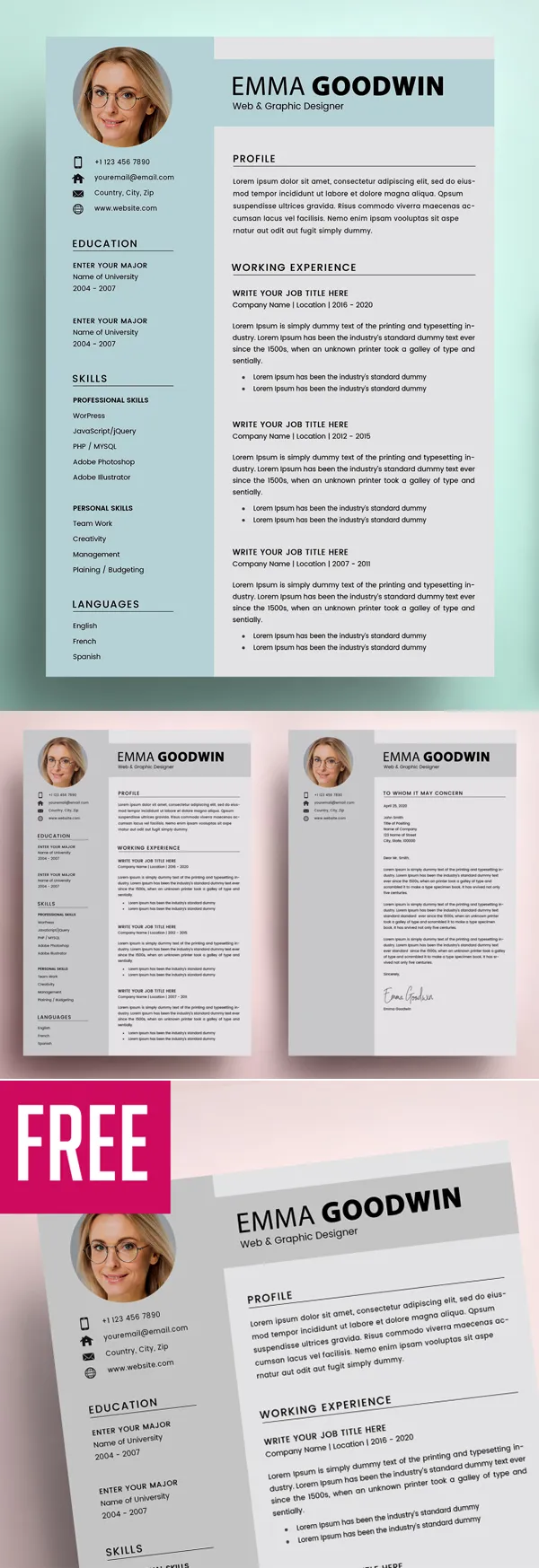
What is a Cover Letter
A cover letter is a crucial document that accompanies your resume when applying for a job. It serves as your introduction to the hiring manager, providing an opportunity to showcase your personality, skills, and experiences in a more personalized manner than a resume allows. Think of it as your sales pitch, designed to persuade the employer that you are the ideal candidate for the position. Unlike a resume, which provides a snapshot of your qualifications, a cover letter explains why you are interested in the specific role and how your background aligns with the company’s needs. It’s your chance to make a strong first impression and stand out from the competition.
Importance of a Cover Letter
The importance of a cover letter cannot be overstated, especially in today’s competitive job market. It allows you to highlight your unique qualifications and tailor your application to the specific job requirements. A well-crafted cover letter demonstrates your genuine interest in the role and the company, setting you apart from candidates who may only submit a resume. It provides context to your resume, explaining how your skills and experiences translate into value for the employer. Furthermore, a cover letter shows that you are a proactive and detail-oriented individual, qualities that are highly valued by employers.
Cover Letter vs Resume

While a resume provides a chronological or skills-based summary of your work history and qualifications, a cover letter offers a narrative, allowing you to elaborate on your experiences and connect them to the job’s specific requirements. The resume is a factual document, while the cover letter is your opportunity to inject personality and express your enthusiasm. A resume is often scanned quickly, whereas a cover letter is read more closely, giving you the chance to make a more compelling case for your candidacy. Both documents are essential, but they serve different purposes in the job application process.
Cover Letter Structure [Must-Have Elements]
A well-structured cover letter follows a logical flow, making it easy for the hiring manager to quickly understand your qualifications and interest in the role. A clear structure ensures that you address all the essential elements, maximizing your chances of making a positive impression. Each section should contribute to a cohesive narrative, highlighting your key skills and experiences in a way that aligns with the job description and the company’s values. Proper formatting and organization also demonstrate your professionalism and attention to detail.
Contact Information
At the top of your cover letter, include your full name, phone number, email address, and optionally, your LinkedIn profile URL. Ensure that the contact information is accurate and up-to-date. Use a professional email address. This section provides the hiring manager with the necessary information to reach you for an interview. The contact information should be clearly presented and easily accessible.
Professional Header and Greeting

Address the hiring manager by name if possible. Research the name of the hiring manager or the person responsible for reviewing applications. If you cannot find a specific name, use a professional greeting like “Dear Hiring Manager”. Avoid generic greetings like “To Whom It May Concern”. Use a professional salutation, such as “Dear Mr./Ms. [Last Name]”. Always spell the recipient’s name correctly. The header should also include the date and the company’s address.
Opening Paragraph Grab Attention
The opening paragraph is your chance to grab the hiring manager’s attention. Start with a strong statement that highlights your enthusiasm for the position and the company. Briefly mention how you learned about the job and why you are excited about the opportunity. State the specific position you are applying for. Consider including a compelling achievement or skill that immediately demonstrates your value. The goal is to make the reader want to learn more about you.
Body Paragraphs Highlight Skills and Experience
The body paragraphs should expand on your key qualifications, skills, and experiences. Provide specific examples that demonstrate how you have successfully performed tasks similar to those required in the job description. Tailor these examples to match the specific requirements and keywords mentioned in the job posting. Show, don’t just tell; use the STAR method (Situation, Task, Action, Result) to describe your accomplishments and the impact you made in previous roles. Emphasize the value you bring to the company and explain why you are a good fit for the role.
Quantify Achievements

Whenever possible, quantify your achievements with numbers and data. For example, instead of saying you “increased sales,” state that you “increased sales by 15% in one quarter.” Use metrics to showcase the impact of your work and demonstrate your ability to deliver results. This makes your accomplishments more tangible and credible. Quantifiable achievements help hiring managers quickly understand your value and potential contributions to their organization.
Use Keywords
Carefully review the job description and incorporate relevant keywords into your cover letter. This helps your application pass through Applicant Tracking Systems (ATS) and ensures that the hiring manager immediately recognizes your suitability for the role. Integrate these keywords naturally within your sentences, ensuring that your letter still reads smoothly and authentically. Focus on the key skills and requirements listed in the job posting, demonstrating how your experience aligns with their needs.
Closing Paragraph Call to Action
In the closing paragraph, reiterate your interest in the position and the company. Express your enthusiasm for the opportunity to discuss your qualifications further in an interview. Include a clear call to action, such as “I look forward to hearing from you soon” or “Thank you for considering my application.” Reiterate your contact information and express your gratitude for their time and consideration. End with a professional closing, such as “Sincerely” or “Best regards,” followed by your full name.
Cover Letter Formatting Tips

Proper formatting enhances readability and professionalism. Formatting choices make a significant difference in how your cover letter is perceived by the reader. Formatting helps highlight key information and creates a polished appearance. Poor formatting can detract from your message, so attention to detail in this area is crucial.
Font and Font Size
Use a professional and easy-to-read font such as Times New Roman, Arial, or Calibri. Stick to a font size between 10 and 12 points for the body text. Avoid overly decorative or unusual fonts that can be distracting. Ensure consistency in font and font size throughout the document. Choose a font that is clean, clear, and easy on the eyes, as hiring managers often review numerous applications.
Margins and Spacing
Set margins to one inch on all sides. Use single spacing within paragraphs and double spacing between paragraphs. Proper spacing enhances readability and provides a clean, uncluttered look. Avoid overcrowding the text on the page. This layout makes your cover letter visually appealing and easier to navigate. Well-formatted spacing also helps the hiring manager quickly grasp the key information.
Proofreading and Editing

Proofread your cover letter carefully for any grammatical errors, typos, or inconsistencies. Errors can damage your credibility and create a negative impression. Use a grammar checker and have a friend or family member review your letter. Ensure that your letter is free of any errors. Multiple rounds of proofreading can help catch mistakes you might otherwise miss. A polished, error-free cover letter demonstrates your attention to detail.
Cover Letter Examples and Templates
Utilizing cover letter examples and templates can be invaluable in crafting a compelling letter. These resources offer guidance on structure, phrasing, and content, providing a starting point for your own letter. Tailor the examples to match your specific skills, experiences, and the requirements of the job. Many online resources offer free, customizable templates. While using a template is helpful, remember to personalize the content to reflect your unique qualifications and the specific job.
Cover Letter Writing for Different Job Types
Different job types require varying approaches to cover letter writing. Tailoring your letter to the specific role is essential. Different industries and levels of experience may require a different tone, focus, and content. Consider the industry standards, the specific job requirements, and the target audience. Your cover letter should reflect a deep understanding of the role and the employer’s needs. Adjust your approach to align with the expectations for each job type.
Entry-Level Positions

For entry-level positions, focus on your educational background, relevant coursework, internships, volunteer experience, and any transferable skills. Highlight your eagerness to learn and your potential to contribute to the company. If you have limited work experience, emphasize your soft skills and demonstrate your enthusiasm for the role. Explain how your skills and experiences align with the job description.
Mid-Career Professionals
Mid-career professionals should emphasize their accomplishments, demonstrating a track record of success and leadership. Quantify your achievements and showcase your expertise in your field. Highlight your ability to solve problems, lead teams, and drive results. Use specific examples to illustrate your contributions and value. Tailor the content to align with the job requirements and the company’s needs.
Executive Roles
For executive roles, your cover letter should convey your leadership experience, strategic thinking, and ability to drive organizational success. Focus on your accomplishments in previous leadership positions and your understanding of the industry. Highlight your ability to develop and execute strategic plans, manage teams, and deliver results. Demonstrate your alignment with the company’s mission and values. Tailor the content to match the specific requirements of the role and the expectations of the company.
Common Cover Letter Mistakes to Avoid
Avoiding common mistakes ensures your cover letter makes a positive impact. Simple errors can undermine your application. Being aware of and avoiding these mistakes increases your chances of making a good impression.
Grammatical Errors and Typos
Grammatical errors and typos immediately diminish your credibility. Always proofread your letter thoroughly before submitting it. Use a grammar checker and have a second pair of eyes review your work. Errors demonstrate a lack of attention to detail. A polished, error-free cover letter reflects your professionalism and attention to detail.
Generic Content
Avoid using a generic cover letter that could apply to any job. Tailor your letter to the specific job requirements and the company. Customize your letter to show you understand the role and the company’s needs. A generic letter shows you haven’t put in the effort to learn about the company and the position.
Failing to Tailor to the Job
Failing to tailor your cover letter to the specific job is a significant mistake. Customize your letter for each application, highlighting the skills and experiences most relevant to the position. Refer to the job description and incorporate keywords, and demonstrate your understanding of the company and its needs. Demonstrating that you’ve taken the time to understand the role increases your chances of getting an interview.
Cover Letter Writing Tools and Resources
Several tools and resources are available to help you write a compelling cover letter. These resources can simplify the writing process and provide valuable guidance.
Online Templates
Use online templates to get started. These templates provide a structure and framework for your cover letter. Customize these templates to reflect your qualifications and the job requirements. A well-designed template can help you create a professional and polished cover letter.
Resume Builders
Resume builders often include cover letter features. These tools can help you create both your resume and cover letter. Resume builders can guide you through the process of creating a compelling application. Ensure the cover letter complements your resume.
Professional Review Services
Consider seeking professional review services. These services provide expert feedback on your cover letter. They can provide valuable insights and ensure your letter is the best it can be. A professional review can help you identify areas for improvement.
Final Thoughts on Cover Letter Writing
A well-crafted cover letter is a critical component of a successful job application. By following these guidelines and tailoring your letter to each specific job, you can significantly increase your chances of landing an interview. Always proofread your work and seek feedback. Remember, your cover letter is your opportunity to make a strong first impression and convince the employer you are the right candidate. Good luck with your job search.