In the competitive world of job hunting, a well-crafted cover letter is your key to unlocking new opportunities. It’s your first introduction to a potential employer, a chance to make a lasting impression, and a powerful tool for setting yourself apart from the competition. This comprehensive guide provides a roadmap to writing a cover letter that not only grabs attention but also showcases your unique value proposition. Follow these steps, and watch your job application success rate soar.
Why Your Cover Letter Matters
A cover letter does more than just repeat your resume. It provides a platform to elaborate on your qualifications, express your enthusiasm for the role, and connect your skills and experience to the specific requirements of the job. It shows your personality, communication skills, and your understanding of the company. A strong cover letter demonstrates you’ve done your homework, proving your genuine interest and making you more than just another resume in the pile.
Understanding the Purpose of a Cover Letter
The primary purpose of a cover letter is to secure an interview. It should pique the hiring manager’s interest and encourage them to delve deeper into your qualifications as presented in your resume. Your cover letter should highlight your most relevant skills and experiences, emphasizing why you are a strong fit for the position and the company culture. It offers a chance to tell your story in a compelling way, going beyond the bullet points of your resume.
Essential Cover Letter Components

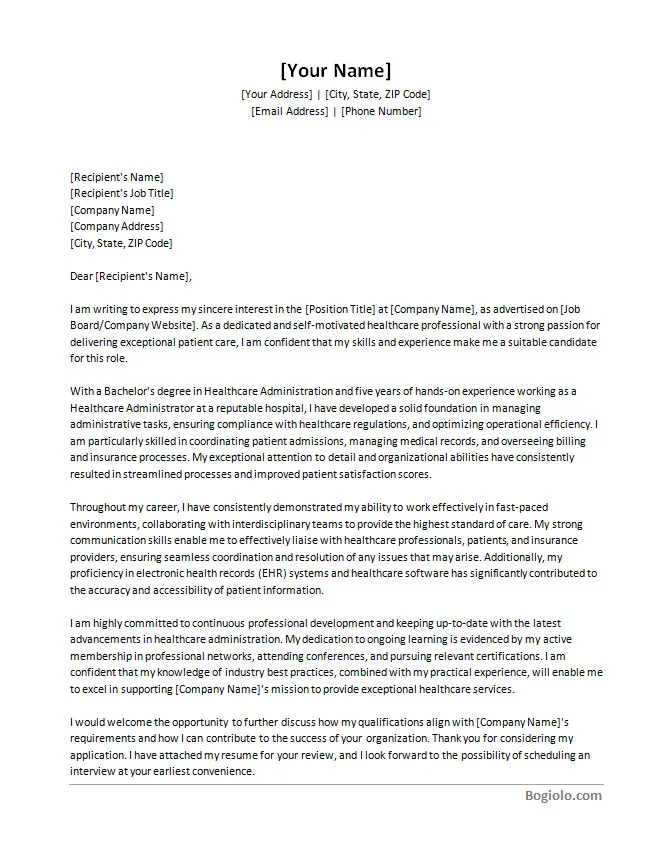
A successful cover letter follows a standard structure, ensuring clarity and professionalism. Each section plays a crucial role in conveying your message and engaging the reader. From the essential contact information to a compelling closing, every element contributes to the overall effectiveness of your letter, increasing the likelihood of a positive response.
Your Contact Information and Date
Begin with your full name, address, phone number, and email address. Include the date, which is the day you are sending the letter. This is a standard way to start a professional correspondence.
The Hiring Manager’s Name and Title
Always address your cover letter to a specific person if possible. Research the hiring manager’s name and title to show you care enough to personalize your letter. If the name isn’t available, use a professional greeting such as “Dear Hiring Manager.”
A Compelling Opening Paragraph
Start strong. State the position you are applying for and how you found the job. Briefly mention why you are interested in the company and the role. This introduction sets the tone for the rest of your letter.
Highlighting Your Skills and Experiences
The body of your letter is where you connect your skills and experience with the job requirements. Use specific examples to showcase your accomplishments and quantify them whenever possible. Tailor this section to match the job description.
Tailoring Your Letter to the Job
Every cover letter should be tailored to the specific job. Review the job description carefully and highlight the skills and experiences most relevant to the position. Avoid using generic statements; instead, use your research to show you understand the company’s needs and culture.
Quantifying Your Accomplishments

Use numbers to demonstrate your impact. Instead of saying “Improved customer service,” say “Improved customer satisfaction scores by 15% within six months.” This adds credibility to your claims and provides concrete evidence of your abilities.
Demonstrating Your Enthusiasm
Express your enthusiasm for the role and the company. Explain why you are excited about the opportunity and what you hope to achieve. Genuine passion can set you apart from other candidates.
Creating a Strong Closing
Your closing paragraph should reiterate your interest in the position, thank the hiring manager for their time, and include a call to action. Indicate your availability for an interview and how they can reach you.
Expressing Gratitude and Next Steps

Thank the hiring manager for their time and consideration. Mention that you look forward to the opportunity to discuss your qualifications further. Provide clear contact information and indicate your availability for an interview.
Formatting and Design Best Practices
The layout and design of your cover letter can significantly impact its readability and professionalism. Proper formatting helps ensure your message is clear, easy to follow, and makes a positive impression. A well-formatted cover letter shows attention to detail, which is a crucial skill for many positions.
Choosing the Right Font and Size
Select a professional and easy-to-read font, such as Times New Roman, Arial, or Calibri. Use a font size between 10 and 12 points for readability. Consistency in font and size across the entire document is essential for a polished look.
Ensuring a Professional Layout

Use standard 1-inch margins on all sides and single-space your text with a double space between paragraphs. Align your text to the left, and avoid excessive use of bolding or italics. The layout should be clean and uncluttered.
Avoiding Common Cover Letter Mistakes
Certain errors can damage your chances of getting an interview. Be aware of these common pitfalls, which include grammatical mistakes, generic content, and a failure to address the job requirements. Avoiding these will increase the chances of success.
Grammatical Errors and Typos
Proofread carefully for grammatical errors and typos. These mistakes can make you look unprofessional and demonstrate a lack of attention to detail. Use spell-check, but also read through the letter yourself, as spell-check cannot catch every error.
Generic and Uninspired Content

Avoid using generic phrases and statements that could apply to any job. Tailor your cover letter to the specific role and company, highlighting your unique qualifications and experiences. Generic content makes your letter forgettable and less impactful.
Ignoring Job Requirements
Carefully review the job description and address the specific requirements in your cover letter. Make sure you highlight the skills and experiences that match the job posting. Failing to address these requirements shows a lack of attention to detail and disinterest in the position.
Cover Letter Examples to Inspire You
Reviewing examples can provide insights into effective cover letter writing. Analyze different styles and formats to find inspiration for your own letter. Understand how successful candidates have presented themselves and their skills.
Example 1 Job Application
Show an example of a cover letter tailored to a specific job description, highlighting key skills and quantifying accomplishments with numbers to show impact. This example may be from a customer service role.
Example 2 Job Application
Show a second example, tailored to a different job role such as marketing, or a technology based role. Highlight the skills and the results relevant to those roles and fields.
Example 3 Job Application
Show a third example, tailored to another role and industry with different key skills and highlighting how the candidate’s experience matches the job description.
Cover Letter Writing Tools and Resources
Utilize various resources to streamline the cover letter writing process. From templates to professional review services, these tools can help you create a polished and effective cover letter efficiently.
Online Templates and Generators
Use online templates and generators to save time and get a head start. These tools provide a framework for your letter, allowing you to focus on the content. However, make sure to customize them to your situation and the job you are applying for.
Professional Review Services
Consider using professional cover letter review services. Experts can provide valuable feedback on your letter’s content, format, and overall effectiveness. They can catch errors you might have missed and ensure your letter meets industry standards.
Final Tips for Cover Letter Success
Before submitting your cover letter, take a final look. Proofread your letter carefully and submit your letter in a professional manner. These steps can significantly improve your chances of success.
Proofreading and Editing
Always proofread your cover letter carefully before submitting it. Check for grammatical errors, typos, and formatting issues. Read it aloud to catch any awkward phrasing. Get a second pair of eyes to review your letter as well.
Submitting Your Cover Letter
Follow the application instructions carefully. Submit your cover letter in the required format (usually PDF or Word) and ensure it is properly attached to your application. Always use a professional email address when applying.
Writing an effective cover letter is a vital skill in today’s job market. By following these guidelines and taking the time to craft a compelling letter, you significantly increase your chances of getting noticed and landing an interview. Good luck with your job search!