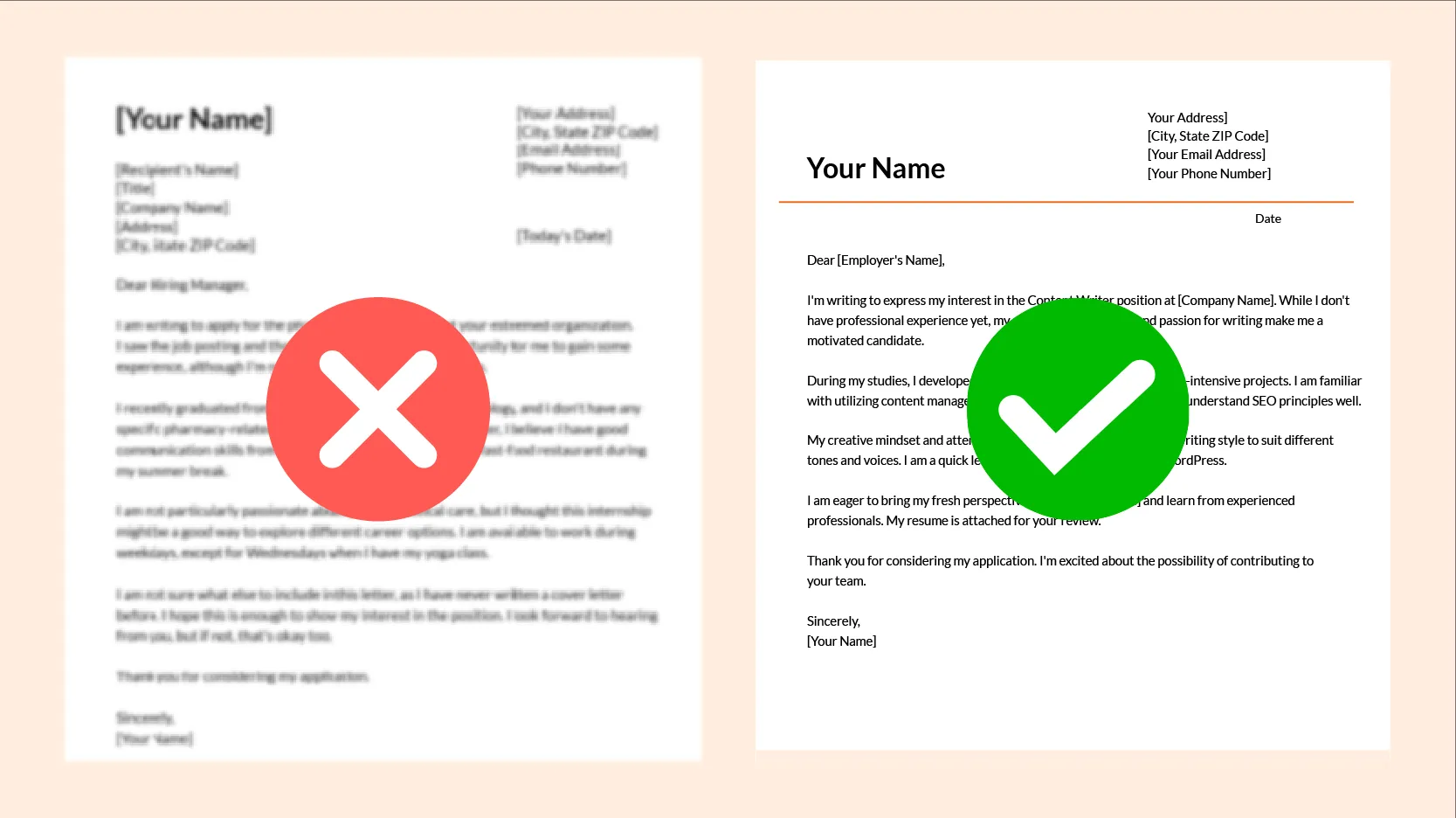
Cover Letter Writing Basics
A well-crafted cover letter is your first impression on a potential employer, a crucial introduction before they even glance at your resume. It’s more than just a formality; it’s an opportunity to showcase your personality, passion, and suitability for the role. Many job seekers overlook the importance of this document, but a strong cover letter can significantly increase your chances of landing an interview. In this guide, we’ll delve into the essentials of cover letter writing, providing you with actionable strategies to create a compelling letter that grabs attention and gets you hired. Mastering the art of cover letter writing is an investment in your career.
Why Is a Cover Letter Important?
The importance of a cover letter extends beyond merely fulfilling application requirements. It provides a platform to connect your skills and experiences directly to the specific job description and the needs of the employer. A cover letter allows you to address the employer directly, conveying your enthusiasm and demonstrating your understanding of the company’s values and goals. It’s your chance to tell a story, to show how your unique background aligns with the position and the organization’s vision. By highlighting your achievements and explaining why you’re the perfect fit, you make the hiring manager want to know more about you. Without this tailored approach, your application can easily get lost in the crowd.
What to Include in a Cover Letter?

A compelling cover letter should include key elements that effectively communicate your qualifications. Start by clearly stating the position you’re applying for and where you saw the job posting. In the body paragraphs, highlight relevant skills and experiences, using specific examples to demonstrate your accomplishments. Quantify your achievements whenever possible, such as ‘increased sales by 15%’. Show enthusiasm for the company and the role. Explain why you’re a good fit by aligning your skills with the job requirements. Mention your understanding of the company’s mission and values to show that you’ve done your research. Conclude with a call to action, expressing your eagerness for an interview and providing your contact information.
Cover Letter Writing Strategies
Tailoring Your Cover Letter
Generic cover letters are easily identified and often discarded. Tailoring your cover letter to each job application is paramount. This involves carefully reading the job description, identifying the key requirements, and aligning your skills and experiences accordingly. Research the company, understand its culture, and demonstrate how your values align with theirs. Personalize your letter by mentioning the hiring manager’s name, if possible. Customize your letter to mirror the tone and style of the company’s brand to better communicate your understanding of the role. This shows that you’ve invested time and effort, making you stand out from other candidates.
Highlighting Relevant Skills and Experience

Effectively highlighting your relevant skills and experience is essential for grabbing the hiring manager’s attention. Review the job description carefully and pinpoint the skills and experiences that are most relevant. Use the job description as a guide to frame your achievements, and emphasize how your past successes align with the requirements of the new role. Don’t just list your skills; provide specific examples of how you’ve used them to achieve positive outcomes. Use action verbs to describe your accomplishments. For instance, instead of saying ‘Managed a team,’ say ‘Led a team of ten, resulting in a 20% increase in project completion rates’. Quantify your achievements with numbers and data whenever possible to demonstrate the impact of your work.
Using Keywords Effectively
Incorporating relevant keywords from the job description is a strategic way to make your cover letter stand out. Applicant Tracking Systems (ATS) scan resumes and cover letters for keywords, so using them increases your chances of getting noticed. Carefully analyze the job description and identify the essential skills and qualifications. Naturally integrate these keywords throughout your cover letter, especially in the opening paragraph, skill descriptions, and closing. However, avoid keyword stuffing, as this can make your letter sound unnatural and detract from its effectiveness. Focus on using keywords that are both relevant and meaningful to ensure that your cover letter aligns with the job requirements.
Cover Letter Formatting and Structure
Header and Contact Information

A well-structured cover letter begins with a clear and professional header. Include your full name, contact information (phone number and professional email address), and the date. If you’re sending a digital cover letter, your contact information should be at the top. If you’re sending a physical letter, place your address above the date. Ensure the header aligns neatly and is easy to read. Including the hiring manager’s name, title, and company address is also important if you have that information. Using a professional font like Times New Roman, Arial, or Calibri will ensure readability. Proper formatting shows attention to detail and reflects professionalism.
Opening Paragraph Best Practices
The opening paragraph of your cover letter sets the tone and makes the first impression. Start by clearly stating the position you’re applying for and where you saw the job posting. Immediately grab the reader’s attention by highlighting a key achievement or expressing your enthusiasm for the role or the company. For example, you could start with a statement like ‘I am excited to apply for the Marketing Manager position at [Company Name], as advertised on [Platform].’ Briefly mention why you’re a good fit and what makes you excited about the opportunity. Keep the opening concise, engaging, and focused on the value you bring to the company.
Body Paragraphs Strategies
The body paragraphs are where you showcase your skills, experiences, and achievements. Use these paragraphs to provide specific examples that demonstrate how your qualifications align with the job requirements. Structure your paragraphs logically, using a clear topic sentence to introduce each point. Provide detailed examples of your accomplishments, quantifying them with data whenever possible. For instance, explain how you solved a problem, improved a process, or contributed to a team’s success. Focus on the employer’s needs, and explain how you can help them achieve their goals. Use action verbs to describe your accomplishments, and always tailor the content to match the job description.
Closing Paragraph and Call to Action

The closing paragraph is your final opportunity to leave a lasting impression. Reiterate your interest in the position and your enthusiasm for the company. Express your confidence in your ability to contribute to their success, and thank the hiring manager for their time and consideration. Include a clear call to action, such as ‘I am eager to discuss my qualifications further in an interview.’ Provide your contact information again. Be sure to sign off professionally, using ‘Sincerely’ or ‘Best regards’. Proofread your closing carefully to avoid any errors, and ensure it reflects your professionalism and enthusiasm for the job.
Cover Letter Writing Mistakes to Avoid
Generic and Vague Language
One of the most common mistakes is using generic and vague language that fails to showcase your unique qualities. Avoid using overly general statements that could apply to any candidate. Instead, provide specific examples of your accomplishments and quantify your achievements whenever possible. For instance, instead of saying ‘I have strong communication skills,’ say ‘Effectively communicated project updates to cross-functional teams, resulting in a 15% reduction in project delays.’ Tailor your cover letter to the specific job requirements and the company’s values. Use specific action verbs to illustrate your experiences, and avoid cliches that make your letter sound impersonal or uninspired.
Typos and Grammatical Errors

Typos and grammatical errors can immediately undermine your credibility. These errors show a lack of attention to detail and may lead the hiring manager to believe you lack the professionalism required for the job. Carefully proofread your cover letter multiple times. Use grammar and spell-check tools, but don’t rely on them entirely; these tools can miss subtle errors. Have a friend or colleague review your cover letter to catch any mistakes you may have missed. Read your cover letter out loud to help identify awkward phrasing or unclear sentences. Ensure your cover letter is polished and error-free before submitting it to make a positive and professional impression.
Too Long or Too Short
A cover letter that’s either too long or too short can be ineffective. Aim for a cover letter that is concise and focused, typically about one page in length. A cover letter that’s too long can lose the reader’s attention, while a cover letter that’s too short might not provide enough detail to showcase your qualifications. Ensure your cover letter has a clear structure, with an engaging opening, well-developed body paragraphs, and a strong closing. Keep your sentences clear and to the point, avoiding unnecessary jargon or complex language. Focus on the most important information that highlights your skills and experiences that align with the job description. Prioritize the key elements and tailor the length to the specific requirements.
Proofreading and Editing Your Cover Letter
Proofreading and editing are critical steps in cover letter writing. After you’ve written your cover letter, take a break, then revisit it with fresh eyes. Carefully review your letter for any typos, grammatical errors, or awkward phrasing. Check for consistency in your formatting, such as font, spacing, and margins. Ensure that the tone of your letter is professional and enthusiastic. Have a trusted friend or colleague read your cover letter to provide feedback. Proofread every version of your cover letter before submitting it to ensure accuracy and make a strong impression on the hiring manager. A well-proofread letter reflects your attention to detail and increases your chances of getting hired.