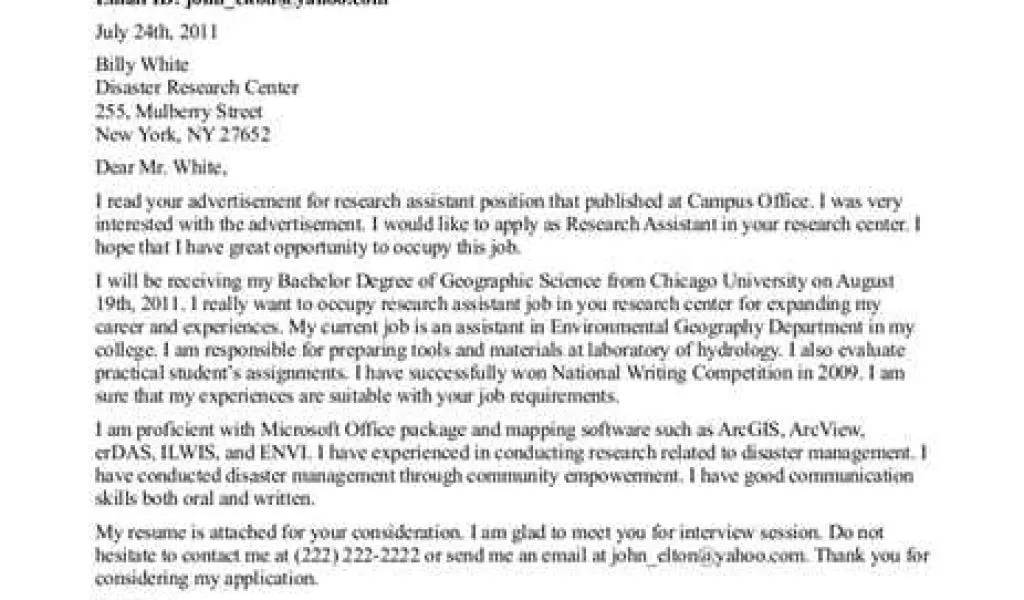
What is a College Cover Letter?
A college cover letter is a crucial document accompanying your college application. It serves as your introduction to the admissions committee, providing a space to showcase your personality, experiences, and aspirations beyond the information presented in your application form and transcripts. It’s your opportunity to make a strong first impression and persuade the admissions team that you are a good fit for their institution. Unlike a resume or list of accomplishments, the cover letter allows you to tell your story in a compelling and personal way. A well-crafted cover letter can significantly enhance your chances of acceptance by highlighting your unique qualities and demonstrating your genuine interest in the college.
Why is a Cover Letter Important?
A compelling cover letter is extremely important for college applications. It’s your chance to differentiate yourself from other applicants. Many students have similar grades and test scores, but your cover letter allows you to highlight your unique experiences, skills, and motivations. It offers context to your achievements and provides insights into your personality and goals. Moreover, a cover letter demonstrates your written communication skills, which are vital for academic success. It shows your ability to articulate your thoughts, express yourself clearly, and present a persuasive argument. Colleges value students who can communicate effectively. The cover letter is also an opportunity to address any potential weaknesses in your application, such as a gap in your academic record, by providing explanations and demonstrating resilience. Finally, it shows your genuine interest in the specific college, which the admissions committee appreciates.
Cover Letter Components

A well-structured cover letter follows a standard format. Each component plays a vital role in creating a cohesive and impactful narrative. Understanding these components will enable you to create a persuasive and polished document that enhances your college application. The components include a header, greeting, opening paragraph, body paragraphs, closing paragraph, and a sign-off. Each part should be carefully considered, reflecting your personality and aspirations while adhering to the standard structure. Proper formatting and content organization are essential for readability and impact. Your ability to follow these guidelines will improve your chances of acceptance to your desired college.
Header
The header of your cover letter should include your contact information: your full name, address, phone number, and email address. It’s important to use a professional-looking email address. This allows the admissions committee to easily contact you if they need to. Ensure the header is clearly formatted and consistent with the overall style of your application. Some applicants choose to include the date, while others do not. The header helps the admissions team quickly identify you and contact you regarding your application status, and it’s the very first thing they will see. Double-check that all information is accurate and up-to-date to avoid any communication issues.
Greeting
The greeting should address the admissions committee professionally. If possible, address the letter to a specific person, such as the admissions officer or a professor in your intended major. Researching the college’s website or contacting the admissions office can help you find the appropriate name. If you cannot find a specific name, use a general greeting such as “Dear Admissions Committee.” Avoid generic greetings like “To Whom It May Concern.” This shows that you have taken the time to personalize your application. Addressing the letter to a specific person also demonstrates your interest in the college and attention to detail. A well-crafted greeting sets a positive tone from the beginning of your cover letter and ensures a polite and respectful approach.
Opening Paragraph

The opening paragraph is your first opportunity to capture the attention of the admissions committee. It should immediately state your intention—to apply for admission to the college—and briefly mention your intended major or area of study. Use this opportunity to express your enthusiasm and interest in the college. Consider including a hook to engage the reader from the start, such as a compelling anecdote, a thought-provoking question, or a specific reason why you are drawn to the college. The opening should set the tone for the rest of your letter. Make it clear why you’re applying to their college and create a positive first impression by demonstrating your enthusiasm and personality. Use language that is both professional and authentic.
Body Paragraphs
The body paragraphs form the core of your cover letter, where you expand on your experiences, skills, and aspirations. They should provide a more in-depth look at your achievements, extracurricular activities, and personal qualities. Each paragraph should focus on a specific theme or aspect of your profile, such as your academic achievements, leadership experience, or volunteer work. Use these paragraphs to demonstrate how your experiences align with the college’s values and how you will contribute to the college community. Support your claims with specific examples and details. Show, don’t just tell; by providing concrete examples of your accomplishments. Maintain a consistent tone throughout the body paragraphs. Avoid jargon and overly complex language.
Highlight Relevant Experiences
Highlighting your relevant experiences is crucial in the body paragraphs. Select experiences that are most relevant to your intended major or to the college’s mission and values. Provide detailed descriptions of your roles and responsibilities in each experience. Discuss what you learned and how you grew from these opportunities. Quantify your achievements whenever possible. For example, if you were a leader in a club, mention the number of members or the impact of your projects. If you volunteered, note the number of hours you dedicated. Use specific examples to demonstrate your skills and capabilities. By showcasing your relevant experiences, you provide a clear picture of your capabilities and potential, while demonstrating your ability to make a positive contribution to the college.
Showcase Your Personality

Showcasing your personality is essential. While it’s important to be professional, your cover letter should reflect your unique personality. Use a conversational tone and let your authentic voice shine through. Share anecdotes or stories that illustrate your passions, values, and character. Avoid using generic statements that could apply to any applicant. Instead, personalize your letter by including details that make you stand out. Show the admissions committee who you are, rather than just what you’ve done. This helps them understand your motivations and goals, and it makes your application more memorable. Your goal is to connect with the reader on a personal level, and demonstrate that you are a well-rounded person.
Address Specific College Aspects
Address specific aspects of the college that resonate with you. Research the college’s programs, faculty, and campus culture, and mention them in your cover letter. Show that you have taken the time to understand the college’s values and mission. Explain why you are particularly drawn to this institution. Mention specific courses, professors, or research opportunities that interest you. Demonstrate how the college aligns with your academic and personal goals. By demonstrating your genuine interest in the college, you show that you are a thoughtful and proactive applicant. This will greatly increase your chances of acceptance.
Closing Paragraph
The closing paragraph should summarize your main points and reiterate your interest in the college. Thank the admissions committee for their time and consideration. Reiterate your enthusiasm for the opportunity to attend the college and your eagerness to contribute to the college community. Restate your qualifications and how they align with the college’s values. Express your gratitude for their consideration. Offer to provide any additional information or materials as needed. A strong closing paragraph leaves a lasting impression and reinforces your candidacy. Keep the tone positive and confident. It is your final chance to convince the admissions committee that you are a suitable candidate.
Sign-off

Choose a professional and appropriate sign-off. Common options include “Sincerely,” “Best regards,” or “Yours truly.” Avoid informal closings like “Thanks” or “See you later.” After the sign-off, leave space for your signature. If you are submitting a digital application, you can simply type your name. If you are sending a physical copy, sign your name above the typed version. This final touch adds a personal element to your cover letter and demonstrates your attention to detail. Ensure that your sign-off is consistent with the overall tone of your letter and aligns with the professional standards of the admissions process. A well-chosen sign-off will leave the admissions team with a good impression of your professionalism.
5 Cover Letter Examples for College
Here are five examples, demonstrating how different students might approach a college cover letter. These examples showcase various experiences and personality types to illustrate how you can personalize your cover letter to effectively highlight your qualifications and express your interest in the college. Remember that tailoring your letter to fit your unique circumstances will make your application stand out and increase your chances of being accepted. The following examples are designed to provide you with inspiration and guidance. Study these examples, taking note of the specific details and the overall tone.
Example 1: The Enthusiastic Student
Dear Admissions Committee,
From the moment I first visited [College Name]’s campus, I knew it was where I wanted to pursue my studies. The vibrant atmosphere, the innovative programs, and the emphasis on collaborative learning deeply resonated with me. As a highly motivated student with a passion for [intended major], I am excited to apply for admission to your esteemed institution.
During my high school years, I actively sought opportunities to expand my knowledge and hone my skills. I excelled in my [mention relevant subjects] courses, consistently achieving top marks. I also participated in the [mention extracurricular activities] club, where I developed my leadership skills. My experience in [mention a specific project or achievement] taught me the importance of teamwork and problem-solving. Furthermore, I am eager to engage in your research program and look forward to contributing to your vibrant campus life.
Thank you for considering my application. I am thrilled about the possibility of joining your esteemed community and I am confident that I can make a meaningful contribution.
Sincerely, [Your Name]
Example 2: The Passionate Volunteer

Dear Admissions Committee,
My passion for service and making a positive impact on others has driven me to volunteer at [Organization Name] for the past three years. My experiences have instilled in me a deep understanding of social issues. Through my volunteer work, I’ve learned the importance of compassion, empathy, and community engagement. I’ve had the opportunity to work with individuals from various backgrounds, and these experiences have shaped my perspective and strengthened my desire to pursue a degree in [intended major].
In addition to my volunteer work, I have excelled in my academic studies. I earned a [mention GPA or academic achievements]. I’m particularly drawn to [College Name]’s strong community and commitment to social responsibility. I hope to engage in the campus clubs and activities. I believe my experience and passion for service will be invaluable. Thank you for considering my application.
Sincerely, [Your Name]
Example 3: The Academic Achiever
Dear Admissions Committee,
Throughout my academic journey, I have consistently sought to challenge myself and achieve excellence. As a dedicated student at [High School Name], I have consistently ranked among the top students in my class. I am particularly interested in [mention specific areas of study] and have excelled in advanced courses, including [list specific courses]. My involvement in [mention relevant academic clubs or competitions] has further enriched my academic experience.
[College Name]’s reputation for academic excellence and its innovative approach to education is why I am applying. I am particularly drawn to [mention specific programs or faculty members]. I am confident that I will thrive in your challenging and supportive academic environment. I look forward to contributing to the college’s intellectual community.
Sincerely, [Your Name]
Example 4: The Creative Thinker
Dear Admissions Committee,
My creative journey started with [mention a specific experience or interest, e.g., a childhood art project, a fascination with storytelling]. Since then, I have dedicated myself to exploring various art forms, including [list artistic pursuits]. My work has been exhibited at [mention any exhibitions or achievements]. I believe in the power of art to inspire and transform, and I am eager to continue developing my skills at [College Name].
I am drawn to [College Name]’s [mention specific programs, facilities, or faculty] and its emphasis on interdisciplinary collaboration. I am confident that your environment will foster my creativity and help me to bring my unique perspective. Thank you for considering my application.
Sincerely, [Your Name]
Example 5: The Driven Athlete

Dear Admissions Committee,
As a dedicated athlete, I have learned the values of discipline, perseverance, and teamwork. Throughout my years of playing [sport], I have consistently pushed myself to excel. I have achieved [mention specific accomplishments, e.g., team captain, MVP, championships]. These experiences have instilled in me a strong work ethic and a commitment to excellence. I also excel in my academics, and I am excited to pursue my education at [College Name].
[College Name]’s athletic programs and commitment to academic achievement make it an ideal choice. I believe I can contribute to both the athletic and academic communities. I am also impressed by [mention a specific program or aspect of the college]. I look forward to continuing my athletic journey while pursuing my educational goals.
Sincerely, [Your Name]
Key Takeaways from the Examples
Each example highlights the importance of personalization and tailoring your cover letter to fit your specific background and experiences. These examples showcase unique personalities and interests, demonstrating how you can create a compelling narrative. Remember to align your cover letter with your target school, demonstrating that you’ve done the necessary research to find the right fit. By providing a compelling and well-crafted cover letter, you significantly increase your chances of admission and have a strong chance to positively impact the admissions team and showcase your unique qualities and qualifications. Tailoring your application helps you showcase your passion and enthusiasm for the college.
Tips for Writing Your Own Cover Letter
Creating a standout cover letter involves more than just following a template. You should personalize your letter and make it unique. These tips will help you write a successful cover letter that captures the attention of the admissions committee. With attention to detail and careful planning, your cover letter will become a key component of your application. Follow these tips to create a persuasive and impactful document that demonstrates your value to the admissions team.
Tailor to Each College

Customize your cover letter for each college you apply to. Avoid sending a generic letter. Research each college’s mission, values, and specific programs. Mention specific aspects of the college that appeal to you, such as particular professors, courses, or research opportunities. Show that you have a genuine interest in attending that particular institution. This personalized approach demonstrates your commitment and increases your chances of acceptance. Show that you have invested time in understanding their specific requirements.
Proofread Carefully
Proofreading is a crucial step. Ensure that your cover letter is free from grammatical errors, spelling mistakes, and typos. Errors can create a negative impression and detract from your qualifications. Carefully read your letter multiple times. Ask a trusted friend, family member, or teacher to review your letter. A fresh pair of eyes can often catch mistakes that you might miss. Proofreading demonstrates your attention to detail. Double-check all names, dates, and other important information. Ensure the formatting is clean and consistent. Proofreading is essential for presenting yourself as a careful and thoughtful applicant, and this can increase your chances of getting into your desired college. Don’t let simple mistakes undermine your application.
Show, Don’t Tell
Use concrete examples to illustrate your skills, experiences, and personality. Instead of simply stating that you are a leader, describe a situation where you demonstrated leadership. Quantify your achievements whenever possible. Instead of saying you improved sales, mention the percentage increase. These examples provide evidence of your capabilities and show the admissions committee your potential. Provide context and details. This will make your letter more compelling. This approach makes your letter more engaging and memorable.
Focus on Your Uniqueness
Highlight your unique qualities and experiences that set you apart from other applicants. Reflect on your passions, values, and personal qualities. Think about the experiences that have shaped you and made you who you are. Share these details in your cover letter to give the admissions committee a better understanding of you. Avoid generic statements. Instead, focus on what makes you, you. Authenticity will make your application more memorable. Demonstrate your genuine interest in the college. This helps the admissions committee visualize you as an active contributor to their community. Highlighting your uniqueness is what will make you stand out from other applicants, and greatly improve your chances of acceptance.