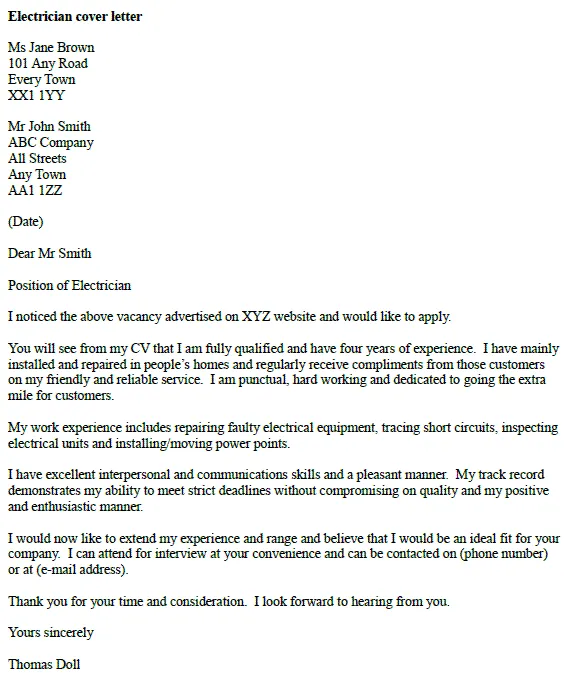
Crafting Your Electrician Cover Letter
A well-crafted electrician cover letter is your first opportunity to make a strong impression on a potential employer. It’s more than just a formality it’s a chance to highlight your skills, experience, and passion for the electrical trade. This guide will walk you through the essential elements of creating a compelling cover letter that gets you noticed and increases your chances of landing an interview. Remember to tailor each cover letter to the specific job and company for the best results. A generic letter is easily spotted, while a customized one shows you’ve put in the effort, demonstrating your genuine interest in the position.
Understanding the Purpose of a Cover Letter
The primary purpose of an electrician cover letter is to introduce yourself to the hiring manager and express your interest in a specific job. It provides a space to elaborate on your resume, providing context and personality that a simple list of qualifications cannot convey. It showcases your communication skills, your understanding of the job requirements, and your enthusiasm for the role and the company. Use the cover letter to explain why you are a good fit, and highlight achievements that align with the job description. This initial introduction sets the tone and encourages the reader to delve deeper into your qualifications, ultimately motivating them to review your resume.
Highlighting Relevant Skills and Experience

Your cover letter should clearly showcase the skills and experience that make you a qualified electrician. Focus on the abilities most relevant to the specific job you’re applying for. Review the job description carefully and identify the key requirements. Then, use your cover letter to demonstrate how your past experiences align with those requirements. Provide concrete examples of how you’ve used your skills to achieve results in previous roles. This makes your claims more credible and demonstrates your ability to apply your knowledge in real-world situations. Consider quantifying your achievements whenever possible (e.g., “reduced electrical downtime by 15%”).
Technical Skills
List your technical skills, highlighting those most relevant to the job. This may include proficiency in wiring, troubleshooting, installing electrical systems, reading blueprints, and working with various electrical tools and equipment. Mention any specific certifications you hold, such as those related to specific types of electrical work or safety standards. For instance, if the job requires working with solar panels, make sure to mention any relevant training or experience. Show your knowledge of electrical codes and safety regulations. Be specific about the types of systems you’re familiar with (e.g., residential, commercial, industrial). Remember, employers seek electricians with a strong technical foundation. Include relevant examples such as specific types of wiring you have experience with, e.g., EMT conduit.
Practical Experience
Describe your practical experience in detail. This should include the types of projects you’ve worked on, the scope of your responsibilities, and the results you achieved. Mention the number of years of experience you have, and give specific examples of the projects or tasks you’ve completed, like new installations, maintenance, or repair work. Include information about the size and complexity of projects you’ve handled. If you’ve worked with particular types of clients or in specific environments (e.g., hospitals, factories), mention that. Highlight any specializations or areas of expertise, such as high-voltage systems, fire alarm systems, or data cabling. Use this section to demonstrate the breadth and depth of your practical electrical knowledge.
Essential Soft Skills

In addition to technical skills, electricians need strong soft skills. Highlight your abilities in communication, teamwork, problem-solving, and attention to detail. Explain how you work with others, whether colleagues, clients, or contractors. Give examples of how you’ve solved problems on the job, such as troubleshooting electrical issues or finding innovative solutions. Show your ability to follow instructions, manage your time, and work independently. Mention any experience you have in leading a team or supervising apprentices. These soft skills are crucial for working effectively in a team and ensuring safe, efficient work practices. Demonstrate the key qualities sought by employers, which shows you’re not just technically proficient but also a reliable and professional team member.
Formatting Your Electrician Cover Letter
Proper formatting is essential for presenting your cover letter professionally. The layout should be clean, easy to read, and well-organized. It reflects your attention to detail and your ability to communicate clearly and concisely. Use a standard font like Times New Roman or Arial, with a font size between 10 and 12 points. Keep the letter to one page. Avoid using complex formatting or excessive graphics. A well-formatted cover letter ensures that the reader can quickly and easily grasp the key information.
Header and Contact Information
Begin your cover letter with your contact information, including your name, address, phone number, and email address. This should be placed at the top of the letter, usually on the left side. Include the date of the letter, and the hiring manager’s name and the company’s address. If you can’t find the hiring manager’s name, use the title of the person you’re addressing, e.g., “Hiring Manager.” This ensures that the recipient can easily contact you and that your letter looks professional and well-researched. Make sure your email address is professional sounding (e.g., john.doe@email.com).
Professional Salutation

Start your cover letter with a professional salutation. Using the hiring manager’s name (e.g., “Dear Mr. Smith,”) is always preferable. If you don’t know the hiring manager’s name, use a general greeting like “Dear Hiring Manager,” “Dear [Company Name] Team,” or “To Whom It May Concern.” Avoid informal greetings like “Hi” or “Hello.” A professional salutation sets a positive tone and shows that you respect the recipient. It shows you’ve taken the time to personalize your application and demonstrates a commitment to professionalism.
Body Paragraphs: The Core of Your Letter
The body paragraphs are where you showcase your skills, experience, and enthusiasm. Structure your paragraphs logically to ensure your message is clear and impactful. Each paragraph should focus on a specific point or theme. Use strong action verbs to describe your accomplishments and responsibilities. Aim to keep your paragraphs concise and easy to read, allowing the reader to quickly grasp the key information.
Opening Paragraph
The opening paragraph should grab the reader’s attention and clearly state your purpose. Mention the specific job you’re applying for and where you saw the job posting. Briefly express your interest in the role and the company. Consider mentioning something specific that attracted you to the position or the organization. The opening paragraph should immediately establish your connection to the opportunity and set the tone for the rest of the letter.
Middle Paragraphs

In the middle paragraphs, expand on your skills, experience, and qualifications. Use these paragraphs to highlight the key requirements outlined in the job description. Provide specific examples of how you’ve successfully performed similar tasks in the past. Quantify your accomplishments whenever possible, using metrics such as percentages, numbers, or dollar amounts. This helps to demonstrate the value you can bring to the company. Show how your skills and experience align with the company’s needs. Use these paragraphs to make a strong case for why you are the ideal candidate.
Closing Paragraph
The closing paragraph should reiterate your interest in the position and express your enthusiasm for the opportunity. Reiterate your key qualifications and why you’re a good fit for the role. Include a call to action, such as requesting an interview and indicating your availability. Thank the reader for their time and consideration. Express your eagerness to learn more about the opportunity. This paragraph leaves a lasting positive impression, indicating your interest and professionalism. Avoid ending with a generic phrase. Instead, make it memorable and specific to the job.
Complimentary Close and Signature
End your cover letter with a professional closing, such as “Sincerely,” “Best regards,” or “Respectfully.” Type your full name below the closing. If you’re submitting a physical copy, leave space for your handwritten signature above your typed name. If submitting electronically, you can use a digital signature or simply type your name. Ensure your signature is neat and legible, reflecting your professional standards. Always proofread your letter carefully before sending it to eliminate errors. It is very important to have a clean and professional closing to leave a positive final impression.
Tailoring Your Cover Letter to the Job

Customizing your cover letter for each job application is crucial for maximizing your chances of success. Avoid using a generic cover letter; instead, tailor it to the specific job requirements and the company. This shows that you’ve taken the time to understand the role and the organization. It helps to demonstrate your genuine interest and your understanding of what the employer is looking for. By aligning your skills and experience with the job description, you can make a stronger case for why you are the best fit.
Researching the Employer
Before you start writing, research the company. Understand their mission, values, and the projects they’re involved in. Visit their website, read news articles, and check their social media presence. This will give you insight into their culture and what they value in employees. Use this information to tailor your cover letter, highlighting aspects of your experience and skills that align with the company’s goals and culture. Understanding their needs allows you to position yourself as a good match for their requirements.
Matching Skills to Job Requirements
Carefully review the job description and identify the key skills and qualifications the employer is seeking. Then, assess your own skills and experience and highlight the most relevant ones in your cover letter. Use specific examples to show how you’ve applied these skills in previous roles. Tailor your language to mirror the language used in the job description. This helps to demonstrate that you understand the job requirements and can perform the necessary tasks. Use this section to show the employer that you have the qualifications they are seeking and can excel in the role.
Using Keywords from the Job Description
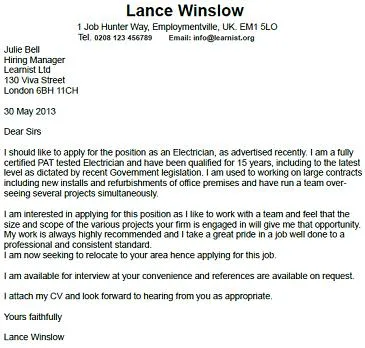
Incorporate relevant keywords from the job description throughout your cover letter. This helps your application get noticed by applicant tracking systems (ATS), which employers often use to scan resumes and cover letters. Focus on the keywords that describe the essential skills and qualifications for the role. Use these keywords naturally within your sentences, avoiding keyword stuffing. This will ensure that your letter highlights the key points for the role and improves your chances of making it past the initial screening stages. Focus on a balance between keyword use and natural language, making it easier for the recruiter to read.
Proofreading and Editing Your Cover Letter
Proofreading and editing are critical steps in creating a professional cover letter. Errors in grammar, spelling, and punctuation can undermine your credibility and make a negative impression. Take the time to carefully review your letter multiple times. Look for any typos, grammatical errors, or awkward phrasing. It’s also helpful to have someone else proofread your letter, as a fresh pair of eyes may catch errors you missed. This ensures your cover letter reflects your attention to detail and ability to communicate effectively.
Checking for Grammar and Spelling Errors
Carefully check your cover letter for grammar and spelling errors. Use a spell checker and grammar checker tool, but don’t rely on them completely. Read your letter aloud to catch any awkward phrasing or sentences. Make sure all the sentences are complete and the punctuation is correct. Ensure you’re using the correct tense and that your subject-verb agreement is accurate. A polished cover letter demonstrates professionalism and attention to detail. Correcting these errors will also help enhance the overall quality and readability of your letter.
Ensuring a Professional Tone
Maintain a professional tone throughout your cover letter. Use clear, concise language. Avoid slang, jargon, and overly casual language. Be respectful and polite in your communication. Make sure the tone matches the company culture and the nature of the job. This ensures that your letter conveys a professional image and demonstrates your understanding of workplace etiquette. Ensure a consistent tone throughout the entire letter, which can help to ensure that your message is received positively.