Understanding the Purpose of an Employment Cover Letter
In the competitive landscape of job hunting, a well-crafted employment cover letter is your first opportunity to make a positive impression. It serves as more than just an introductory document; it’s a crucial tool to showcase your personality, skills, and genuine interest in a specific role and company. The primary purpose is to convince the hiring manager that you possess the necessary qualifications and are the ideal candidate to move forward in the hiring process. A strong cover letter provides context to your resume, explaining why you’re a great fit and how your experiences align with the company’s needs. A cover letter provides an opportunity to elaborate on your achievements and offer insights into your career aspirations.
Why Cover Letters Still Matter
Despite the rise of online applications and resume submissions, the employment cover letter remains a powerful asset. Many hiring managers still prioritize cover letters as they provide a glimpse into a candidate’s communication skills, writing style, and attention to detail. A well-written letter demonstrates that you’ve invested time and effort in the application process, indicating a genuine interest in the position and the company. It allows you to personalize your application and provide context for your resume. In many cases, it is the first impression and may be a make-or-break for securing an interview.
The Importance of Personalization

Generic cover letters are easily identifiable and often discarded. Personalization is key to making your application stand out. Tailor each cover letter to the specific job and company. Research the company’s values, mission, and recent achievements. Demonstrate how your skills and experiences align with the specific requirements outlined in the job description. Mention specific projects, accomplishments, or experiences that resonate with the company’s needs. Addressing the hiring manager by name (if possible) and referencing the company’s recent news or initiatives shows that you’ve done your homework and are genuinely interested in the opportunity. This personalization goes a long way in showing your commitment.
Key Components of a Winning Cover Letter
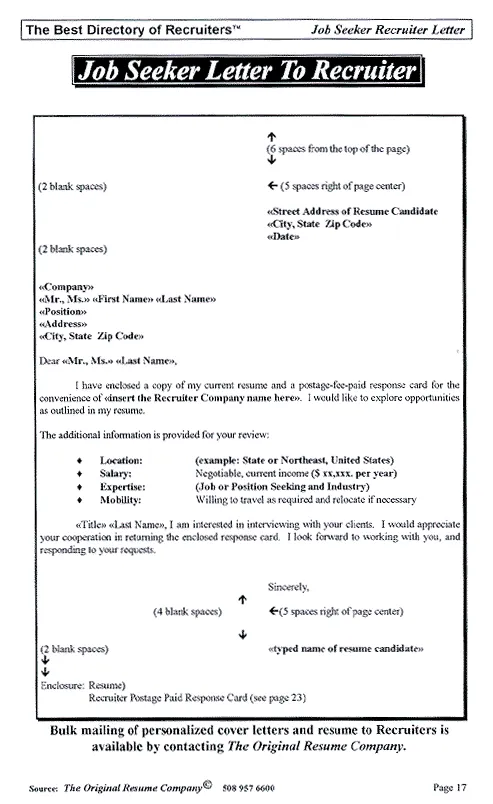
A well-structured cover letter follows a clear format, making it easy for the hiring manager to quickly grasp your qualifications. Each section plays a crucial role in conveying your message effectively. From the header to the closing, every element contributes to your overall presentation. The structure should be professional, and the language should be concise and clear. The best letters will include a concise and well-written introduction, compelling body paragraphs that highlight your skills and experiences, and a strong conclusion that reiterates your interest and prompts action.
Your Header Contact Information
Begin your cover letter with your contact information. This should include your full name, address, phone number, and professional email address. Make sure the email address is professional and appropriate for job applications. Using a standard, easy-to-read font is recommended. Consider aligning the header to the left or right depending on the overall layout, but ensure consistency throughout the document. Accuracy is paramount; double-check all details to ensure that the recruiter can easily reach you.
The Recipient’s Contact Information

Below your contact information, include the recipient’s details. If you know the hiring manager’s name, address them directly; this is preferable. If not, use the job title or the hiring department. Include the company’s name, address, and the date. This information demonstrates your attention to detail and shows that you’ve taken the time to research the company. Ensuring that this section is accurate and correctly formatted is crucial for professionalism.
A Compelling Opening Paragraph
The opening paragraph is your chance to grab the reader’s attention. Start by stating the position you’re applying for and where you found the job posting. Briefly mention your relevant skills or experiences that align with the job requirements. Express your enthusiasm for the opportunity and the company. Avoid generic phrases like “I am writing to express my interest.” Instead, start with a strong statement that highlights your qualifications and immediately engages the reader. The first paragraph sets the tone for the entire letter, making it a crucial part of making a positive first impression. For example, try stating a quick, impactful win of yours, that can be the perfect hook to grab the reader’s attention.
Highlighting Your Skills and Experience
The body of your cover letter is where you showcase your skills and experience. Use this space to explain how your qualifications align with the job requirements. Provide specific examples of your accomplishments and how they relate to the role. Use action verbs to describe your responsibilities and achievements. Tailor your content to the job description and emphasize the skills and experiences that are most relevant. Don’t just list your skills; provide context and demonstrate how you’ve applied them in previous roles. Explain what you did, how you did it, and the results you achieved.
Tailoring Your Letter to the Job Description

Carefully review the job description and identify the key skills and qualifications the employer is seeking. Then, in your cover letter, directly address these requirements. Use the same keywords and phrases from the job description, but make sure to integrate them naturally into your writing. Provide concrete examples of how you’ve demonstrated these skills in previous roles or projects. Focus on the skills and experiences that align most closely with the job requirements. This targeted approach shows that you understand the role and are well-suited for it.
Quantifying Your Accomplishments
Whenever possible, quantify your accomplishments to demonstrate your impact. Use numbers, percentages, or specific data to illustrate your achievements. For example, instead of saying “Improved sales,” say “Increased sales by 15% in one quarter.” Quantifying your accomplishments provides concrete evidence of your abilities and makes your claims more credible. This approach demonstrates your value and shows the potential impact you can have in the new role. Quantifiable results are the best way to make a persuasive case for why you should be hired. Numbers speak louder than words.
Showcasing Relevant Skills
In addition to your experience, highlight the skills that are most relevant to the job. This can include both hard skills (technical abilities) and soft skills (interpersonal skills). Provide examples of how you’ve used these skills in previous roles. For hard skills, mention specific software, tools, or techniques you’re proficient in. For soft skills, provide examples of your communication, problem-solving, or leadership abilities. Tailor the skills you highlight to match the requirements in the job description. Showing a balance of hard and soft skills is crucial. The better the match between your skill and the requirements, the better your chances are.
Expressing Enthusiasm and Interest

Demonstrating your enthusiasm for the role and the company is critical. Express your genuine interest in the opportunity and explain why you’re excited about the prospect of working there. Research the company and mention specific aspects that appeal to you, such as their mission, values, or recent achievements. Show that you’ve taken the time to learn about the company and are genuinely interested in contributing to their success. Your enthusiasm will help you stand out from the competition. Make sure your excitement is genuine, not forced. Be specific when expressing your interest.
Mentioning Why You’re a Great Fit
Throughout your cover letter, clearly articulate why you’re a great fit for the role. Connect your skills, experience, and personality to the specific requirements and expectations of the job. Highlight how your unique qualifications align with the company’s needs. Explain how you can contribute to their goals and add value to their team. Make it easy for the hiring manager to see how you can make a positive impact. Your goal is to paint a clear picture of how you fit into the team.
Concluding with a Call to Action
End your cover letter with a strong call to action. Reiterate your interest in the position and thank the hiring manager for their time and consideration. Express your eagerness to discuss your qualifications further and invite them to contact you for an interview. Provide your contact information again to make it easy for them to reach out. A clear and confident closing leaves a lasting impression and encourages the hiring manager to take the next step. Keep the tone positive and professional. Make it clear that you are looking forward to hearing from them.
Formatting and Proofreading

The presentation of your cover letter is as important as its content. Proper formatting and meticulous proofreading can greatly enhance its professionalism. A well-formatted cover letter is easy to read and makes a positive impression on the reader. A sloppy, error-filled letter, however, can quickly lead to rejection. Take the time to ensure your letter looks polished and professional. Use a clear and readable font, maintain consistent formatting throughout, and carefully check for any errors before submitting your application. A perfect cover letter goes hand-in-hand with a perfect resume.
Choosing the Right Font and Layout
Select a professional and easy-to-read font such as Times New Roman, Arial, or Calibri. Use a font size between 10 and 12 points for the body of your letter. Maintain consistent formatting throughout the document, including the header, body, and closing. Use appropriate margins and spacing to create a visually appealing layout. Keep the letter concise and avoid large blocks of text. The layout should be clean and uncluttered, allowing the reader to easily scan the content and find the information they need. The best layout is the one that is easily readable, so it will be easy to find information.
Proofreading for Errors
Proofreading is an essential step in the cover letter writing process. Carefully check your letter for any spelling, grammar, or punctuation errors. Read the letter aloud to catch any awkward phrasing or grammatical mistakes. Use a grammar checker tool but don’t rely on it completely, as it may not catch all errors. Have a friend or family member review your letter for a fresh perspective. Errors can undermine your credibility and make a negative impression, so attention to detail is crucial. Proofreading shows that you pay attention to detail.
Avoiding Common Cover Letter Mistakes

Certain mistakes can significantly diminish the effectiveness of your cover letter. Avoid these common pitfalls to increase your chances of making a positive impression. Be aware of these common errors, from using a generic approach to highlighting yourself too much or sounding too negative. Be sure to craft a thoughtful, detailed, and engaging cover letter.
Generic Letters
One of the most common mistakes is sending a generic cover letter that isn’t tailored to the specific job or company. This shows a lack of effort and indicates that you’re not truly interested in the opportunity. Always customize your letter to the job requirements, highlighting the skills and experiences that are most relevant. Research the company and demonstrate your understanding of their mission and values. A generic letter gives the impression that you’re sending out the same application to multiple companies, which is not desirable.
Focusing on Yourself
While you need to showcase your skills and experience, avoid making your cover letter all about you. Instead, focus on how your skills and experiences align with the needs of the company. Emphasize the value you can bring to the role and how you can contribute to their success. Always consider the employer’s perspective. Showcase how you can solve their problems. Keep the focus on the employer’s needs, not just your own desires and aspirations.
Negativity or Desperation

Avoid using a negative or desperate tone in your cover letter. This includes complaining about past employers or expressing a sense of desperation to get any job. Always maintain a positive and confident attitude. Focus on your skills and experiences and express your enthusiasm for the opportunity. Avoid phrases like “I desperately need a job” or “I’m tired of being unemployed.” Instead, highlight your strengths and express your confidence in your ability to succeed in the role. Your goal is to convey confidence and professionalism.