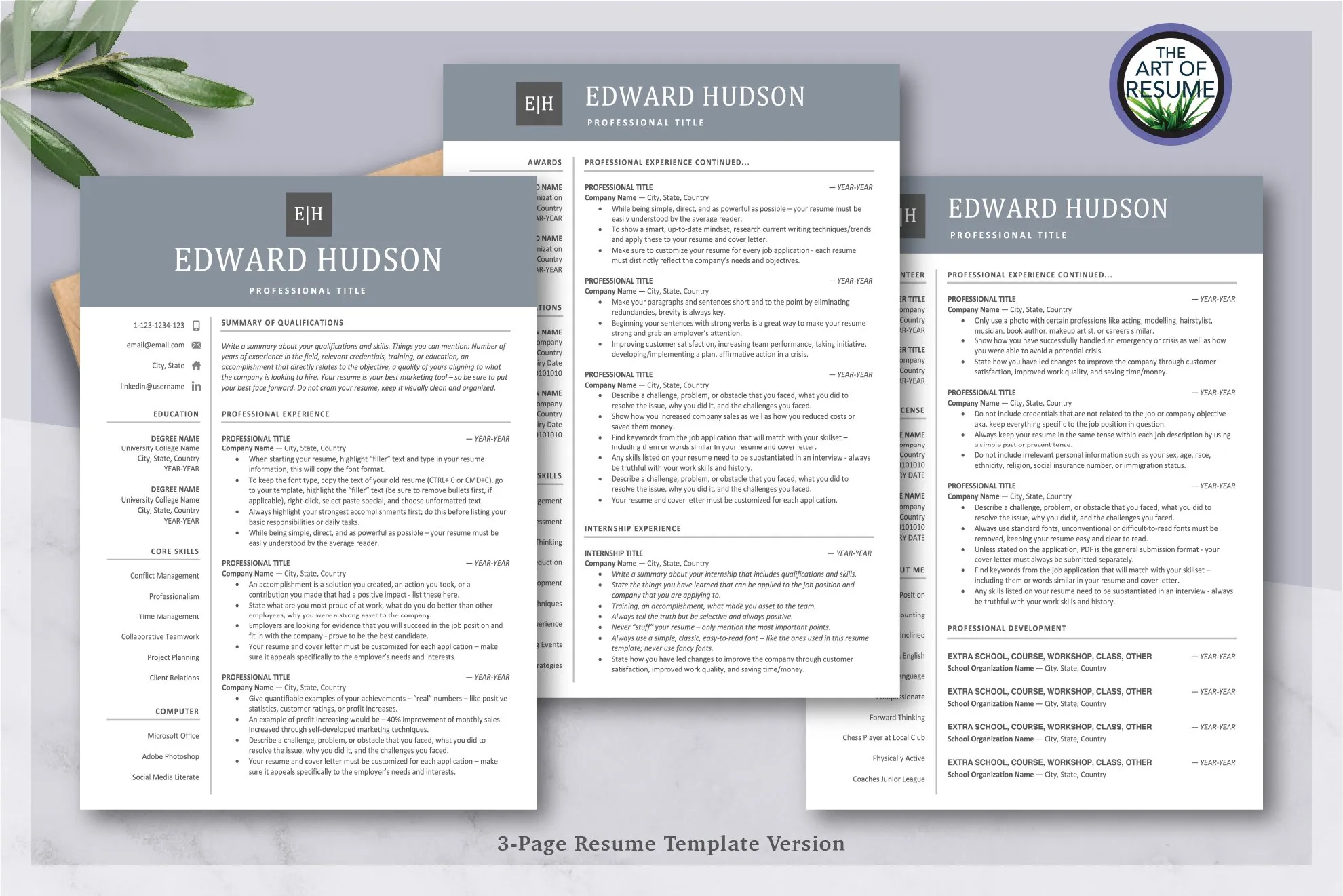
What Is an Executive Resume Cover Letter
An executive resume cover letter is a vital document that accompanies your executive resume when applying for high-level positions. Unlike a generic cover letter, an executive cover letter is specifically tailored to reflect your leadership experience, strategic vision, and significant accomplishments. It serves as your initial introduction to a potential employer and provides a concise yet compelling narrative of your professional journey, highlighting how your unique skills and expertise align with the specific requirements of the role. A well-crafted executive cover letter goes beyond simply restating your resume; it showcases your personality, leadership style, and genuine interest in the opportunity, making it an indispensable tool in your job search arsenal.
Why Is an Executive Cover Letter Important
In the competitive landscape of executive job searches, a cover letter is more than just a formality; it’s your opportunity to make a lasting first impression. An executive cover letter allows you to personalize your application, demonstrating your understanding of the company’s needs and how your skills can contribute to their success. It’s a chance to showcase your communication skills, leadership qualities, and strategic thinking, which are critical for executive roles. Many hiring managers and recruiters prioritize cover letters to assess a candidate’s suitability, attention to detail, and commitment to the role. A well-written cover letter can differentiate you from other candidates, especially when applying for leadership positions where experience and strategic vision are highly valued.
Key Components of a Winning Executive Cover Letter

A successful executive cover letter should incorporate several key components to effectively communicate your value proposition. These components work together to create a compelling narrative that captures the reader’s attention and encourages them to delve deeper into your qualifications.
Header Section of the Executive Cover Letter
Start with a professional header including your contact information (name, phone number, email, and LinkedIn profile URL). This ensures the recruiter can easily reach you. Use a clear and professional font, and make sure your contact details are easy to read. The header sets the tone for the entire document, so ensure it looks polished and organized.
Personalized Greeting
Avoid generic greetings such as ‘To Whom It May Concern.’ Instead, research the hiring manager’s name and address them directly. This demonstrates your attention to detail and your genuine interest in the position. If you cannot find the hiring manager’s name, it’s better to use a professional greeting like ‘Dear Hiring Team’ rather than a generic phrase.
Opening Paragraph

In the opening paragraph, state the position you are applying for and briefly explain where you saw the job posting. Then, immediately capture the reader’s attention by highlighting your most relevant skills, experiences, and leadership qualities. Briefly mention what excites you about the opportunity and the company. The aim is to make an immediate positive impression and entice the reader to continue reading.
Body Paragraphs Highlighting Achievements
The body of your cover letter is where you provide specific examples of your accomplishments. Focus on achievements rather than simply listing your job responsibilities. Show how you’ve made a tangible impact in previous roles, using the STAR method (Situation, Task, Action, Result) to structure your points. Demonstrate your leadership abilities, strategic thinking, and problem-solving skills. Quantify your achievements with data and metrics to demonstrate the value you brought to the company.
Quantifiable Accomplishments
Whenever possible, include quantifiable results to demonstrate your impact. Use numbers, percentages, and specific data to illustrate your achievements. For example, instead of saying ‘Increased sales,’ state ‘Increased sales by 20% in one year.’ Quantifiable accomplishments provide concrete evidence of your ability to deliver results and make a significant impact on the company’s bottom line.
Keywords and Industry Jargon

Incorporate keywords and industry-specific jargon from the job description throughout your cover letter. This helps the hiring manager quickly identify your relevant skills and experience. Be sure to use these terms naturally and avoid stuffing your cover letter with keywords. Show that you understand the industry and the specific role’s requirements by using the appropriate language.
Call to Action and Closing
Conclude your cover letter with a clear call to action. Express your interest in an interview and reiterate your enthusiasm for the opportunity. Thank the hiring manager for their time and consideration. Use a professional closing, such as ‘Sincerely’ or ‘Best regards,’ followed by your name and contact information.
Formatting and Design Tips for Executive Cover Letters
The formatting and design of your executive cover letter are just as important as the content. A well-formatted cover letter demonstrates professionalism and attention to detail. Choose a professional and easy-to-read font, use clear formatting, and make sure your letter is visually appealing.
Choosing the Right Font and Font Size

Select a professional font such as Times New Roman, Arial, or Calibri. Keep the font size between 10 and 12 points for readability. Avoid using overly decorative or unusual fonts, as they can be distracting and difficult to read. The goal is to make your cover letter easy to read and visually appealing.
Effective Use of White Space
Use white space effectively to enhance readability. Include sufficient margins (1 inch on all sides) and use paragraph breaks to separate ideas. Avoid cramming too much text onto one page. White space makes your cover letter more visually appealing and easier for the reader to digest the information.
File Format and Submission Guidelines
Save your cover letter as a PDF file to ensure that the formatting remains consistent across different devices. Always follow the submission guidelines provided by the employer. If the job posting specifies a certain file format or method of submission, adhere to their instructions to demonstrate your attention to detail and respect for their processes.
Proofreading and Editing Your Cover Letter

Thoroughly proofread and edit your executive cover letter before submitting it. Check for grammatical errors, spelling mistakes, and punctuation errors. Ensure your cover letter flows logically and reads well. Consider asking a trusted friend or colleague to review your cover letter for feedback. A polished and error-free cover letter reflects professionalism and attention to detail.
Common Mistakes to Avoid in Executive Cover Letters
Avoid common mistakes that can undermine your application. These include generic language, a lack of personalization, and not addressing the specific requirements of the role. Don’t simply restate your resume; your cover letter should provide additional context. Avoid typos, grammatical errors, and using slang or informal language. Ensure your cover letter is concise and to the point.
Sending the Executive Cover Letter
When sending your executive cover letter, ensure it’s professional and well-presented. Use a professional email address. If the job posting specifies an application process, follow their instructions. If you’re sending your cover letter via email, include a brief, professional subject line and mention your interest in the position within the email body. Attach both your cover letter and resume as PDF files. Always follow up after sending your application to demonstrate your continued interest and professionalism.