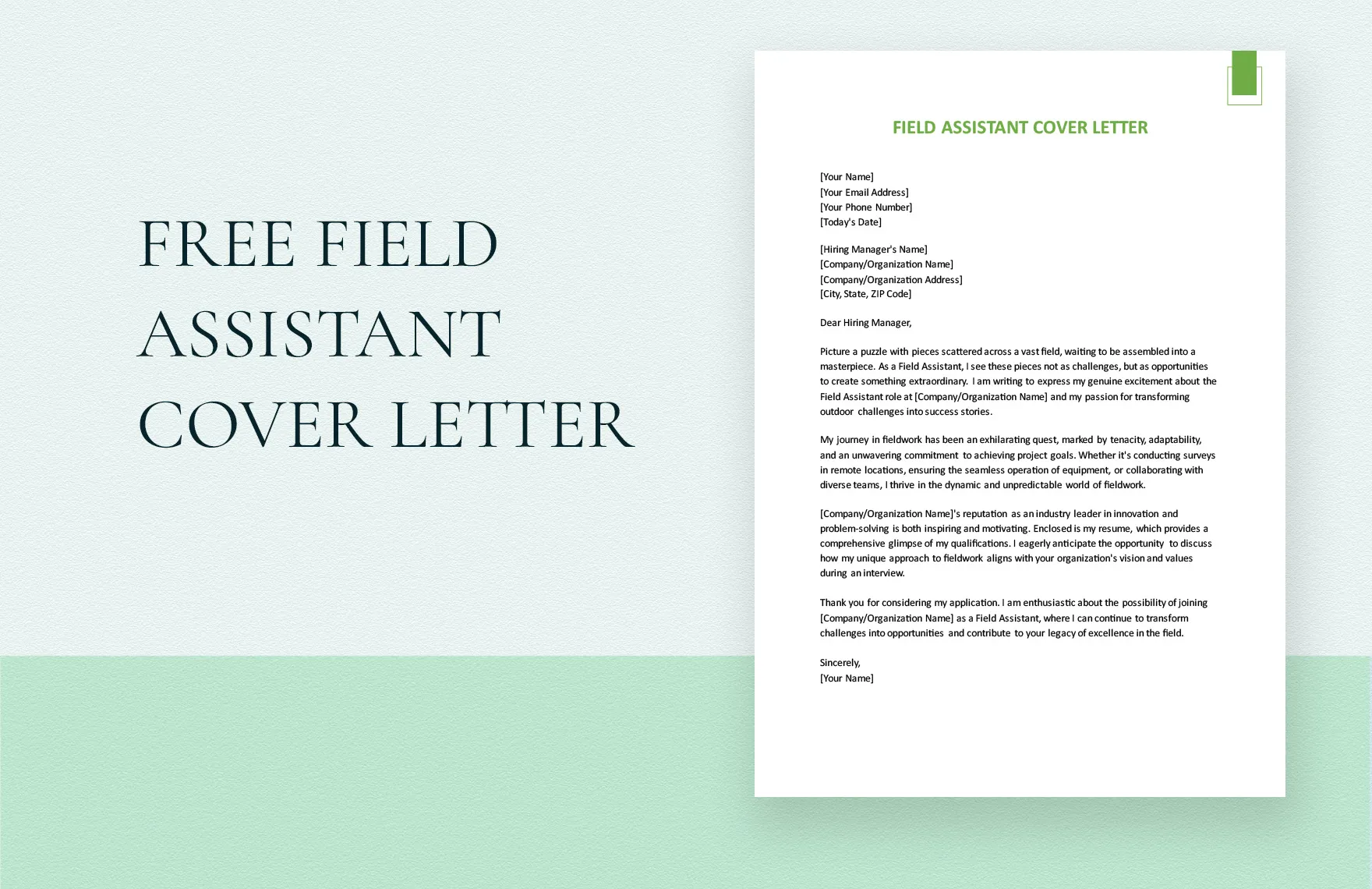
Understanding the Field Organizer Role
A Field Organizer is the backbone of any successful campaign or advocacy effort. They are the boots on the ground, the direct link between the organization and the community. This role demands exceptional communication skills, a strong work ethic, and a deep commitment to the cause. To craft a winning cover letter, you first need to understand the core responsibilities and required skills, so you can best highlight your strengths and demonstrate that you are the ideal candidate. This understanding is essential for tailoring your cover letter to the specific requirements of the job and making a compelling case for your candidacy. Demonstrating this knowledge showcases your initiative and commitment to the role.
Key Responsibilities of a Field Organizer
Field Organizers wear many hats, with responsibilities ranging from volunteer recruitment and management to community outreach and event planning. They are tasked with mobilizing supporters, registering voters, and persuading undecided individuals. They often work long hours and face a demanding workload, which requires resilience and excellent time management skills. It’s vital to familiarize yourself with these responsibilities as you tailor your cover letter and resume to highlight your relevant experiences and skills. This could include experience with phone banking, canvassing, data management, or coordinating volunteers. Showcasing experience with these duties is vital to grab the attention of the hiring manager.
Essential Skills for Field Organizers

Successful Field Organizers possess a diverse skillset. Communication is paramount, as they must effectively interact with people from all walks of life. Strong interpersonal skills are also crucial for building relationships and fostering a sense of community. Additionally, they need to be organized, detail-oriented, and capable of working independently and as part of a team. Digital literacy, including proficiency with campaign management software, is increasingly important. Consider these skills as you write your cover letter. Always highlight your ability to adapt to changing circumstances, solve problems creatively, and maintain a positive attitude, even under pressure. Providing concrete examples of these abilities is key.
Crafting a Winning Field Organizer Cover Letter
Your cover letter is your first chance to make a positive impression and set yourself apart from the competition. It is more than just a formality; it is a powerful tool to showcase your qualifications, passion, and suitability for the role. This section provides the structure for success. By following these best practices, you can create a compelling cover letter that captures the hiring manager’s attention and significantly increases your chances of landing an interview. Remember to tailor your letter to each specific job opportunity, carefully reviewing the job description and customizing your content accordingly. This personalized approach demonstrates your genuine interest and attention to detail, making you a stronger candidate.
Formatting Your Cover Letter for Impact
The visual presentation of your cover letter is just as important as the content itself. Use a clean, professional font such as Arial or Times New Roman, and maintain consistent formatting throughout. Ensure your letter is easy to read by using clear paragraph breaks, ample white space, and bullet points when necessary. Your cover letter should typically be one page in length. Lengthy documents risk losing the reader’s attention. The formatting choices you make reflect your professionalism and attention to detail, setting the stage for your qualifications. The cover letter must be easily scannable so the most important things can be quickly identified. Proper formatting helps convey this professionalism.
Header and Contact Information

Begin your cover letter with a professional header. Include your full name, address, phone number, and email address. Ensure the contact information is accurate and up-to-date. It is also important to include the date and the name and address of the hiring manager or the organization, if available. If you know the name of the person reviewing applications, address the letter to them directly, such as “Dear Ms. Smith”. This personalized approach demonstrates your attention to detail and initiative. If you are unsure of the hiring manager’s name, use a general salutation, such as “Dear Hiring Committee” or “Dear [Organization Name] Hiring Team.”
The Opening Paragraph & Hook
The opening paragraph is your opportunity to grab the reader’s attention and make a strong first impression. Start with a compelling hook that briefly states your interest in the Field Organizer position and highlights a key accomplishment or relevant skill. Be direct and convey your enthusiasm for the role and the organization’s mission. Clearly state the specific position you are applying for and where you found the job posting. Avoid generic opening lines. Instead, tailor your introduction to the specific organization and position, reflecting your understanding of their work and goals. This shows you have researched the organization and are genuinely interested in contributing to their efforts.
Highlighting Relevant Experience
This is where you demonstrate your qualifications and suitability for the Field Organizer role. Focus on the experiences that align with the job requirements and the organization’s mission. Provide specific examples of your accomplishments and how you have applied your skills in previous roles. This may include experience in volunteer management, community outreach, event planning, or data analysis. Use the job description as a guide to tailor your cover letter. Make it clear how your past experiences have prepared you to succeed in this position. Focus on what you have achieved instead of simply listing your responsibilities.
Quantifying Achievements

Instead of simply listing your responsibilities, quantify your achievements to demonstrate your impact. Use numbers and data to showcase your successes. For instance, “Increased volunteer participation by 30% through targeted recruitment efforts” or “Successfully managed a team of 20 volunteers to register over 500 voters.” Using quantifiable results makes your cover letter more compelling and demonstrates your ability to deliver results. Quantifying accomplishments provides tangible evidence of your skills and effectiveness, setting you apart from other applicants. Always try to back up your claims with concrete data and numbers. These examples provide the reader with clear evidence of your contributions.
Showcasing Key Skills
Highlight the skills that are most relevant to the Field Organizer role. This includes communication, interpersonal skills, organizational abilities, problem-solving skills, and digital literacy. Provide examples of how you have used these skills in past experiences. Instead of simply stating you have these skills, describe a situation where you demonstrated each one. For instance, “Successfully mediated conflicts among volunteers using active listening and empathetic communication” or “Organized and executed a successful community event, resulting in a 20% increase in voter turnout.” This demonstrates your ability to apply skills in a practical context. Make sure the skills mentioned align with the job description.
Demonstrating Passion and Enthusiasm
A Field Organizer must be passionate about the cause they are working for. Express your enthusiasm for the organization’s mission and your commitment to making a difference. Share why you are drawn to this specific role and organization. This is about showing your dedication to the role. Explain how your values align with the organization’s goals. Your passion should shine through in your writing. This demonstrates that you are not only qualified but also motivated to contribute to their efforts, making you a more attractive candidate. Authenticity is key; let your personality and commitment shine through.
The Closing Paragraph & Call to Action

Conclude your cover letter with a strong closing paragraph. Reiterate your interest in the position and express your confidence in your ability to contribute to the organization’s success. Thank the hiring manager for their time and consideration. Include a clear call to action, such as “I look forward to the opportunity to discuss my qualifications further in an interview” or “I am available for an interview at your earliest convenience.” Provide your phone number and email address again to make it easy for the hiring manager to contact you. Always proofread and edit your cover letter before sending it.
Proofreading and Editing Your Cover Letter
Before submitting your cover letter, carefully proofread and edit it for any errors in grammar, spelling, and punctuation. Ask a friend or colleague to review it as well. A polished, error-free cover letter reflects your professionalism and attention to detail. Make sure the tone is professional, and the language is clear and concise. Ensure your cover letter is tailored to the specific job description and organization. A well-crafted cover letter is a vital tool for your job search. Pay attention to every detail before submitting your application. Small errors may result in your application being discarded before it is even read.