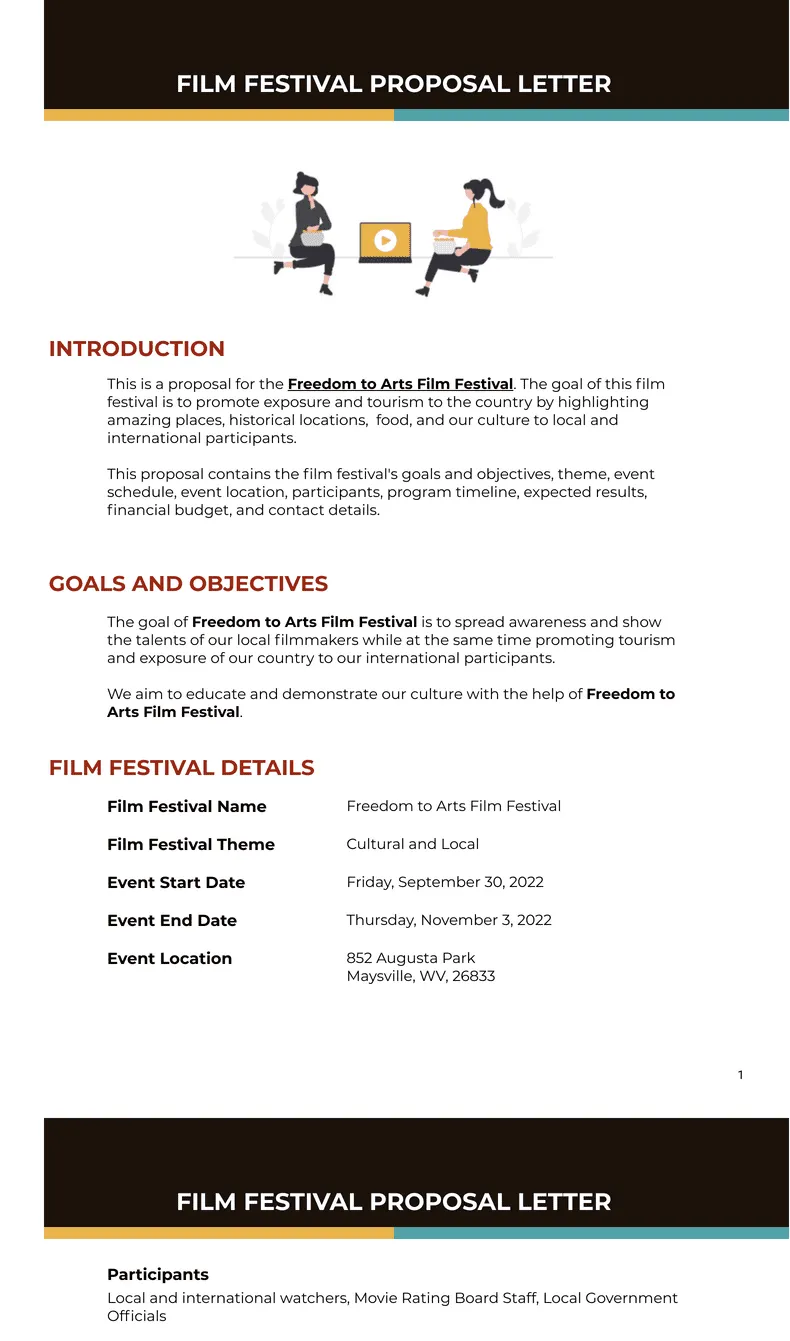
Submitting your film to a festival is an exciting step in a filmmaker’s journey. Beyond the film itself, a well-crafted film festival cover letter is your first impression. It is your opportunity to captivate the selection committee, convey the essence of your work, and make a compelling case for why your film deserves a spot in the festival lineup. In the competitive world of film festivals, getting noticed requires a cover letter that goes beyond the basics. It demands strategic writing, a deep understanding of the festival’s mission, and a clear articulation of your film’s value. This guide will provide you with the insights and strategies you need to craft a cover letter that not only gets noticed but also significantly increases your chances of acceptance.
Crafting the Perfect Film Festival Cover Letter
Understanding the Importance of a Cover Letter
A film festival cover letter is more than just a formality it’s a crucial part of your submission package. It provides context for your film and allows you to showcase your passion, unique vision, and filmmaking experience. The cover letter serves as your voice, giving you the chance to personally introduce yourself and your project to the festival’s programming team. It offers a space to articulate your film’s value, connect with the festival’s ethos, and demonstrate why your work aligns with their programming goals. In a world where festivals receive countless submissions, a standout cover letter can make all the difference.
Why a Cover Letter Matters for Film Festivals

Cover letters matter for film festivals because they are often the first interaction between you and the selection committee. They offer an opportunity to make a positive first impression and to clarify the intentions of your film. A well-written cover letter helps festival programmers understand your film’s significance, narrative, and technical qualities. It allows you to highlight aspects of your project that might not be immediately apparent from the film itself. It also provides an opportunity to show your enthusiasm for the festival, which can make your submission stand out. It’s your chance to explain the ‘why’ behind your film, making it much more than just another submission.
Highlighting Your Film’s Unique Qualities
When writing your cover letter, focus on what makes your film stand out from the crowd. This involves clearly articulating your film’s unique selling points. In other words, what makes your film special? What sets it apart from other submissions? Highlight aspects like innovative storytelling, distinctive visual style, or a fresh perspective on familiar themes. The more unique your film, the more likely it is to capture the attention of festival programmers. Consider the themes your film explores, its target audience, and the emotions it evokes. Highlight any critical acclaim, awards, or positive feedback your film has already received. Emphasize how your film contributes to the festival’s mission.
Emphasizing the Film’s Narrative and Themes
Your cover letter should effectively convey the narrative and central themes of your film. Briefly summarize the plot, highlighting key characters and plot points without giving away too much. Focus on the core message your film conveys and its broader implications. What are the underlying themes? What questions does your film raise? Make sure the synopsis is clear, concise, and engaging. Explain what inspired you to make this film and what you hope audiences will take away from it. Connect these themes with the festival’s values and programming preferences. If your film addresses social issues, explores specific cultures, or aligns with the festival’s mission, make that clear.
Showcasing Technical and Production Aspects

Mention the technical aspects of your film that contribute to its overall quality and impact. Discuss the use of specific visual techniques, such as cinematography style, editing choices, and the use of special effects. If your film features notable sound design, a unique musical score, or innovative production design, be sure to mention it. If your film was shot in a challenging location or involved difficult logistics, briefly allude to those aspects to emphasize the effort and dedication that went into making it. Emphasize how these technical elements enhance the storytelling and contribute to the film’s artistic vision.
Structuring Your Film Festival Cover Letter
A well-structured cover letter is crucial for making a positive impression. Organize your letter in a logical manner, ensuring it is easy to read and understand. Each section should serve a clear purpose, and the tone should be professional and enthusiastic. Keep the letter concise, focusing on the most important information without overwhelming the reader. Use clear and direct language to convey your message efficiently. A well-structured cover letter reflects your professionalism and demonstrates respect for the festival’s time. Use headings and bullet points to make it easy to scan. The structure should include key components to quickly communicate the essence of your film and why it aligns with the festival’s vision.
The Essential Components of a Cover Letter
Every film festival cover letter should include essential elements that provide necessary context and information. Begin with a professional salutation and your contact details. Then, provide a brief synopsis of your film, highlighting key achievements and awards. Conclude with a strong call to action, inviting the festival to screen your film. A well-structured letter should contain the following components: your name, contact information, date, festival name and address, a formal salutation, the film’s title, a brief synopsis, a section detailing your filmmaking experience, and a closing with a call to action.
Contact Information and Salutation

Start with your contact information, including your full name, email address, and phone number. This allows the festival to easily contact you. Address the festival selection committee or a specific individual (if known) using a formal salutation. Research the festival’s website to find the correct person to address the letter to; this shows your attention to detail. Ensure your salutation is appropriate for the festival’s culture. A polite and professional greeting sets the tone for the entire letter. If a specific name is not available, use a general greeting like ‘Dear Film Festival Selection Committee’.
Film Title and Festival Selection
Clearly state the title of your film in the opening lines. This makes it easy for the reader to quickly identify the film you are submitting. State the festival you are applying to, making it clear that you have specifically targeted this event. Indicate why you believe your film is a good fit for the festival, mentioning your knowledge of their programming and the kind of films they showcase. This immediately tells the selection committee that you have taken the time to research the festival and understand its mission and audience. Refer to the specific categories and sections your film would be best suited for, if applicable.
Film Synopsis and Key Achievements
Provide a brief synopsis of your film’s plot, highlighting key characters, setting, and themes. Keep the synopsis concise, typically between 2-3 paragraphs. Focus on the film’s core message and the emotions it evokes. Mention any key achievements or awards your film has received, such as awards from other festivals, critical acclaim, or positive audience reviews. This can immediately enhance the credibility of your submission. Include links to your film’s trailer, website, or social media profiles to allow the selection committee to easily access additional information. If your film has garnered any significant attention, showcase these accolades.
Highlighting Your Filmmaking Experience

Briefly discuss your filmmaking background and experience. This helps the selection committee understand your credentials and the context of your film. If you are an emerging filmmaker, emphasize your passion and commitment to the art of filmmaking. If you have an established portfolio, highlight relevant projects and achievements, focusing on those that demonstrate your skills and creative vision. Your filmmaking experience adds context to the film and reflects your dedication and expertise. This section can help persuade the festival that your film meets the criteria of their requirements and standards.
Mentioning Previous Festival Successes
If your film has been selected for, or won awards at, other film festivals, mention those achievements. This helps establish your film’s credibility. Include the names of the festivals, any awards received, and any positive feedback you received. Mention any relevant past successes that would resonate with the festival you are applying to. If your previous films have been screened at festivals with similar profiles, mention them in a way that shows you understand the festival’s style.
Showcasing Relevant Experience and Skills
Highlight any skills or experience that make your film a strong submission. This could include relevant film education, expertise in particular filmmaking roles (e.g., directing, cinematography, editing), or experience in similar genres or themes. Tailor this section to match the specific requirements or preferences of the festival. Consider the values and the types of films the festival has promoted in the past. Ensure that the skills you showcase are relevant to your film and what the festival is looking for. If the festival focuses on new talent or innovative storytelling, highlight any related experience.
Making a Strong Impression

Make your cover letter stand out by expressing your enthusiasm and concluding with a clear call to action. This can significantly influence the selection committee’s perception of your film. Showcasing enthusiasm and concluding with a clear call to action helps create a lasting impression. The tone and content must reflect genuine excitement and a proactive approach. It is the opportunity to turn interest into action, increasing the likelihood of your film being accepted.
Expressing Enthusiasm and Passion
Let your passion for filmmaking and excitement about the festival shine through. Use enthusiastic language to convey your dedication and love for your project. If you have attended the festival before, mention how you were inspired. Explain why you believe your film is a good fit for the festival. Reference specific films or events from the festival’s past to show that you’ve done your homework. Highlight your genuine interest in the festival and its values. This expression of enthusiasm helps build a connection with the selection committee and underscores the film’s potential impact.
Concluding with a Call to Action
End your letter with a clear call to action. This invites the festival to take the next step. State your eagerness to hear from them and express your hope for your film’s acceptance. You can also thank them for their time and consideration. Reiterate your interest in the festival, emphasizing your enthusiasm for participation. Conclude with a professional closing, such as ‘Sincerely’ or ‘Best regards’, followed by your name and contact information. A clear call to action ensures your letter ends on a positive and proactive note.
Proofreading and Formatting Your Cover Letter

Careful proofreading and formatting are essential. Errors can undermine your professionalism. Ensure your cover letter is free of grammatical and spelling errors. Proofread meticulously, and if possible, have someone else review it. Pay attention to formatting, using a clean and readable layout. Use a professional font, and maintain consistent margins and spacing. Avoid long blocks of text; use paragraphs and headings to make your letter easy to read. Ensure your contact information is clear and easy to find. A well-formatted and error-free cover letter showcases your professionalism and attention to detail.
Common Mistakes to Avoid in Cover Letters
Be aware of common pitfalls that can diminish your chances of acceptance. Avoid generic content, failing to follow instructions, and neglecting to proofread. Steering clear of these mistakes will help ensure your cover letter makes a positive impact. Taking these precautions will significantly improve your chances.
Ignoring Festival Guidelines
Always carefully read and follow the festival’s submission guidelines. Failure to do so may result in immediate disqualification. Ensure your letter meets all length requirements, formatting preferences, and content instructions. Research the festival’s guidelines thoroughly before you start writing. Adhering to the guidelines demonstrates your respect for the festival’s process and attention to detail.
Using Generic Language
Avoid using generic cover letter templates or phrasing that doesn’t reflect your film’s unique qualities. Tailor your letter to each specific festival, highlighting why your film is a good fit for its programming. Make sure your tone is personal and authentic. The language should reflect the personality of the film and connect with the festival’s mission and values. Generic language lacks impact, so ensure the message is tailored for each festival.
Submitting Without Proofreading
Always proofread your cover letter carefully for any errors in grammar, spelling, and punctuation. Errors reflect poorly on your professionalism. Errors can undermine the credibility of your film and the entire application. Proofread the letter multiple times and consider asking a friend or colleague to review it. Ensure every aspect of your cover letter is polished before submitting it.
In conclusion, crafting a compelling film festival cover letter is an investment in your film’s future. By following these guidelines, you can create a cover letter that not only grabs the attention of festival programmers but also increases your chances of selection. Remember to be authentic, enthusiastic, and specific about your film’s qualities. Good luck with your submissions!