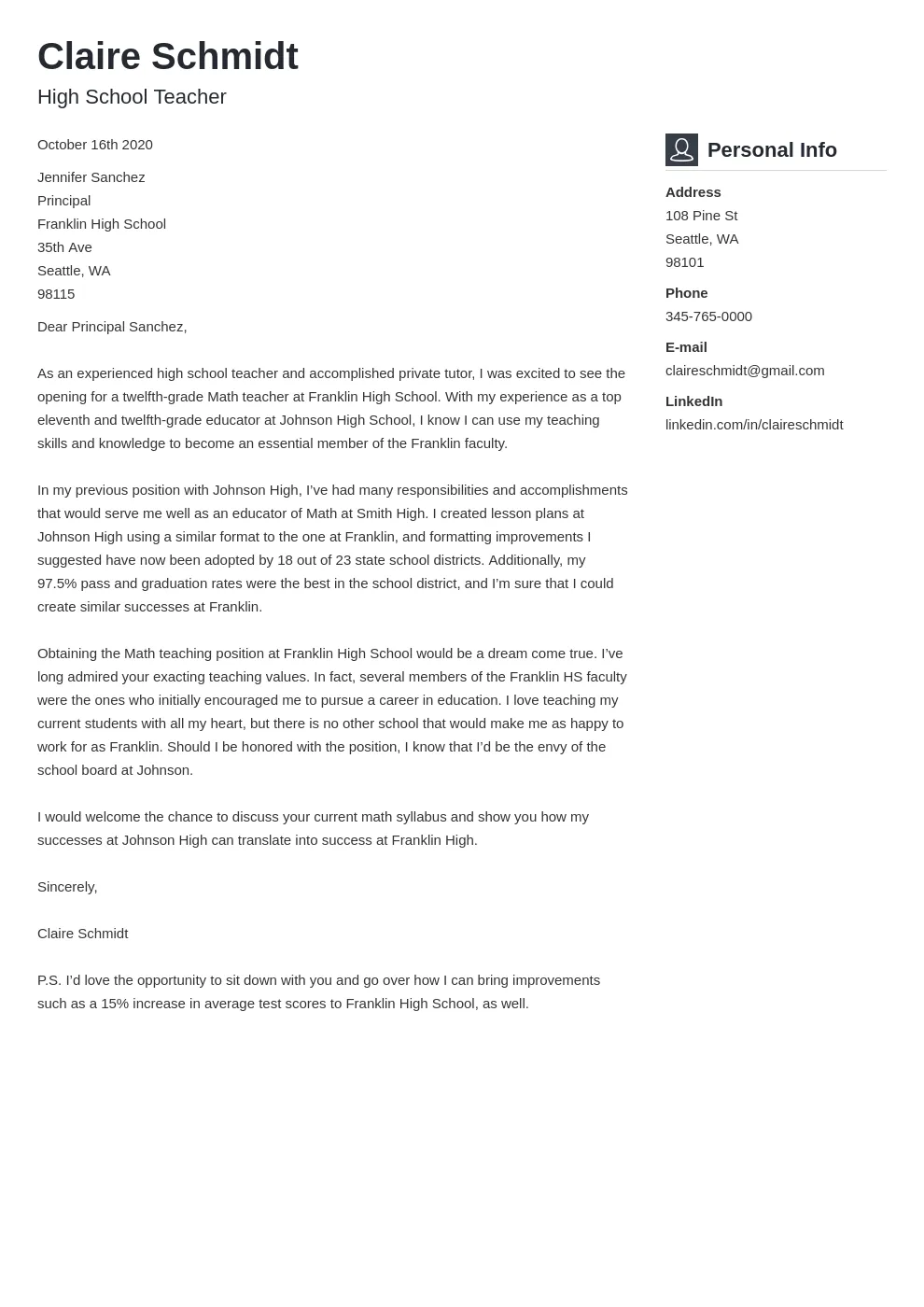
What is a Cover Letter
A cover letter is a crucial document that accompanies your resume when applying for a job. It serves as a personalized introduction, allowing you to highlight your skills, experiences, and your genuine interest in the specific position and the company. Think of it as your first chance to make a strong impression, setting the stage for a potential interview. Unlike a resume, which provides a factual overview, a cover letter lets you showcase your personality, enthusiasm, and how well you align with the job requirements. In today’s competitive job market, a well-crafted cover letter can significantly increase your chances of getting noticed and securing an interview.
The Importance of a Cover Letter
Many job seekers often underestimate the power of a cover letter, but it’s an essential tool in your job-seeking arsenal. A cover letter offers a unique opportunity to elaborate on your qualifications in a way that a resume cannot. It lets you explain career gaps, address specific requirements mentioned in the job description, and demonstrate your understanding of the company’s values and goals. Moreover, a cover letter shows that you’ve taken the time to personalize your application, which indicates your genuine interest in the role. Even if a job posting doesn’t explicitly require a cover letter, submitting one can give you a significant edge over other candidates, as it shows initiative and attention to detail. It is your chance to communicate directly with the hiring manager.
Key Components of a Cover Letter

A well-structured cover letter typically includes several key components. These elements work together to present a compelling case for your candidacy. Understanding each part is vital for crafting a letter that captures the reader’s attention and effectively conveys your qualifications. A strong cover letter follows a logical flow, starting with your contact information, then moving into an introduction and hook. Followed by sections that highlight your relevant skills, qualifications, and alignment with the company’s values. The structure enables you to build a narrative that connects your experience with the employer’s needs. This approach increases the likelihood of securing an interview.
Header & Contact Information
Begin your cover letter with a professional header. Include your full name, contact number, email address, and optionally, your LinkedIn profile URL. Directly below, add the date and the hiring manager’s name (if known), along with their title and the company’s address. Ensure all details are current and accurate. This section provides immediate accessibility and sets a professional tone. It also demonstrates attention to detail, which is crucial for any job application. Using a clear and organized format here helps the hiring manager quickly access your contact information. Keep in mind that a professional header is the first part that they will be seen. See image cover-letter-header.webp as example.
Salutation
The salutation is your opening greeting. Aim for a personalized approach. If the hiring manager’s name is available, use ‘Dear Mr/Ms. [Last Name]’. If the name is unavailable, opt for a professional alternative like ‘Dear Hiring Manager’ or ‘Dear [Department Team]’. Avoid generic greetings like ‘To Whom It May Concern’, as it can make your application appear impersonal. Addressing the recipient by name shows that you’ve done your research and are genuinely interested in the position. The salutation sets the stage for the rest of your letter, and a well-chosen greeting can significantly impact the reader’s initial impression.
Body Paragraph 1 Introduction and Hook

The first paragraph is your chance to grab the reader’s attention. Start with a strong hook, such as mentioning where you found the job posting or a mutual connection. Clearly state the position you’re applying for and briefly explain why you’re interested. Highlight a key skill or achievement that aligns with the job’s requirements. Aim to make it clear why you’re a great fit for this particular role. Your introduction is designed to immediately communicate your enthusiasm and suitability. Keep this section concise, as the goal is to make the hiring manager want to read more. Ensure that the opening paragraph directly addresses the job’s core needs, as this shows you’ve read the job description.
Body Paragraph 2 Skills and Qualifications
In the second paragraph, elaborate on your skills and qualifications that match the job description. Provide specific examples of how you’ve demonstrated those skills in previous roles or projects. Quantify your achievements whenever possible using numbers or data to highlight the impact you’ve made. Tailor this section to the specific requirements listed in the job posting. This is your opportunity to showcase your value and demonstrate your competence. Include 2-3 key skills or accomplishments, always correlating these to the job description. See image cover-letter-skills.webp as example.
Body Paragraph 3 Company and Position Alignment
This paragraph should explain why you’re interested in the company and how your career goals align with the position. Research the company’s mission, values, and recent initiatives. Demonstrate how you can contribute to their objectives and what you admire about their culture. Show that you’re not just looking for any job, but that you genuinely want to be a part of their team. Mention any company values that resonate with you and explain how your values align as well. By demonstrating this level of understanding and alignment, you show that you’re a great fit for their work environment.
Call to Action and Closing

Conclude your letter with a clear call to action, such as expressing your availability for an interview. Thank the hiring manager for their time and consideration. Reiterate your enthusiasm for the opportunity and the company. Maintain a confident and professional tone. Ensure that your closing is polite and leaves a positive lasting impression. Common closing phrases include ‘Sincerely’, ‘Best regards’, or ‘Thank you for your time and consideration’. Be sure to include your full name and signature (if printing and mailing). This reinforces your interest and facilitates the next step in the hiring process.
Formatting Tips for a Free Cover Letter
Proper formatting is essential for making your cover letter easy to read and visually appealing. Use a clean, professional font such as Arial, Calibri, or Times New Roman in size 11 or 12. Maintain consistent formatting throughout your letter, including margins (1 inch on all sides), line spacing (1.15 or double-spaced), and paragraph alignment (left-aligned). Use bullet points or numbered lists to highlight key skills or achievements. A well-formatted letter shows attention to detail and respect for the reader’s time. Use bolding to emphasize key information. Poor formatting distracts the reader from the content. See image cover-letter-formatting.webp as example.
Font and Layout
The font and layout you choose directly impact readability and professionalism. Select a font that is easy to read and widely compatible. Avoid overly decorative or complex fonts. Ensure the layout is clean and uncluttered, with ample white space between paragraphs and sections. Proper layout and font choice create a positive first impression. A well-organized layout guides the reader’s eye and makes the information easy to digest. Poor layout decisions can make your cover letter appear sloppy, which might deter the hiring manager.
Length and Tone

Keep your cover letter concise, ideally no more than one page. Focus on the most relevant information and avoid unnecessary details. Maintain a professional and enthusiastic tone throughout. Use active voice and strong verbs to make your writing clear and engaging. Adjust your tone to suit the company’s culture, but always maintain a respectful and courteous approach. A cover letter should be a summary of your skills and value proposition. See image cover-letter-tips.webp as example.
Proofreading and Editing
Proofread your cover letter meticulously for any errors in grammar, spelling, and punctuation. Even small mistakes can undermine your credibility. Read your letter aloud to catch any awkward phrasing or grammatical errors. It is also helpful to have someone else review it to provide a fresh perspective and catch any mistakes you might have missed. A polished cover letter shows your attention to detail and professionalism. Correct any and all grammatical errors. A well-proofread letter is much more likely to make a positive impact on the hiring manager. Ensure the tone of your letter is aligned with the job’s requirements.
Resources for Free Cover Letter Templates and Examples
Several online resources offer free cover letter templates and examples. These templates can help you structure your letter and provide examples of effective wording. Popular websites include: Canva, Zety, and Resume.io. These resources provide pre-designed templates that you can customize to fit your needs. Using a template can save you time and ensure that you include all the necessary elements in your letter. Additionally, many websites offer sample cover letters tailored to various job types and industries. Taking advantage of these resources can simplify the cover letter writing process and improve your chances of success. See image cover-letter-templates.webp as example.
In conclusion, writing a compelling cover letter doesn’t have to be complicated or costly. By understanding the key components, following formatting tips, and utilizing free resources, you can create a document that showcases your skills and enthusiasm, giving you a significant edge in your job search. Remember to tailor each cover letter to the specific job and company for which you’re applying, and always proofread carefully before submitting your application. Good luck with your job search!