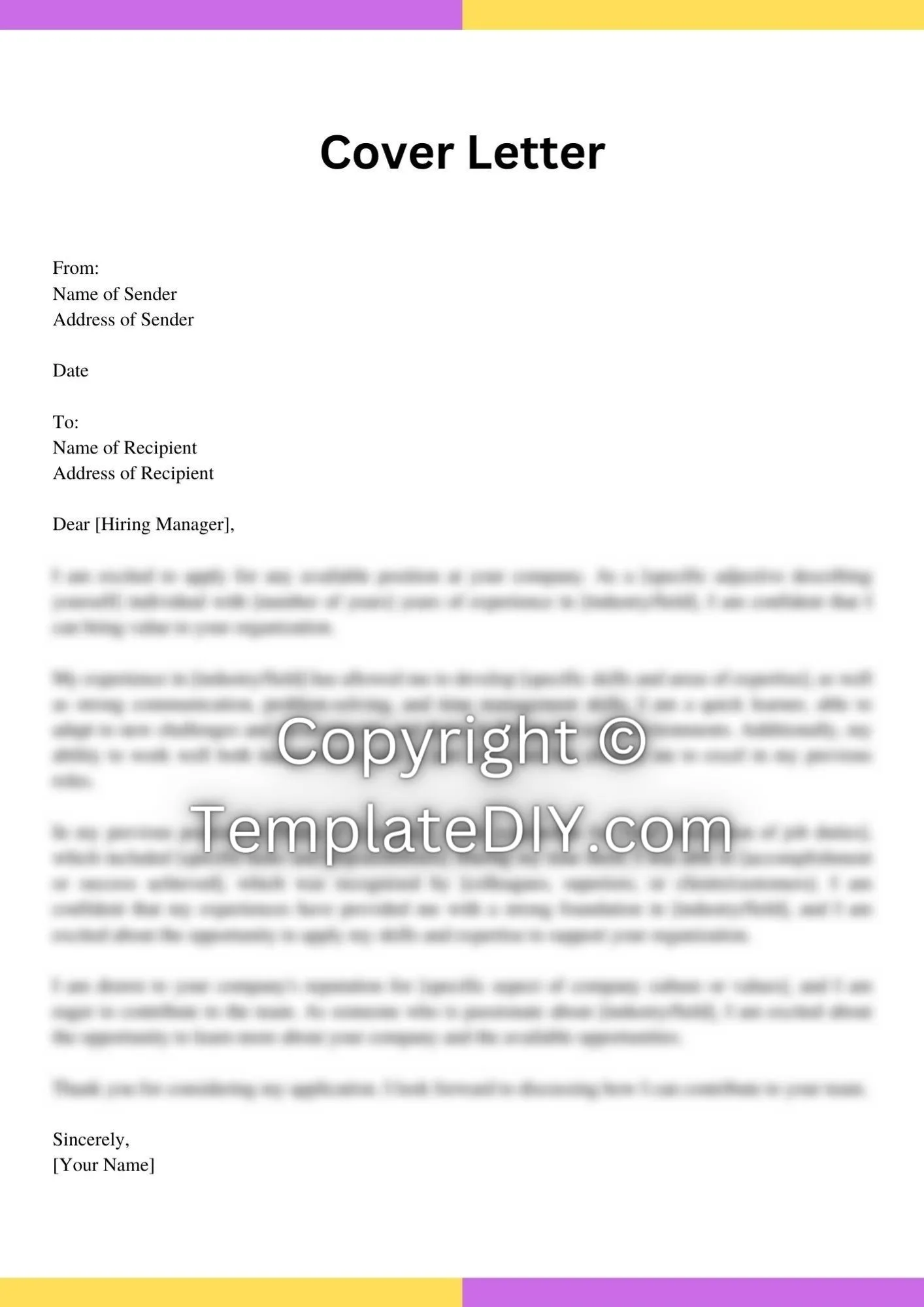
Understanding the Good Cover Letter
A good cover letter is your initial introduction to a potential employer, acting as a vital bridge between your resume and the hiring manager. It’s more than just a formality; it’s your opportunity to showcase your personality, enthusiasm, and the specific skills that align with the job requirements. Unlike a resume, which is a factual summary of your experience, the cover letter allows you to tell a story, explaining why you’re the perfect fit for the role and the company. It’s a chance to make a compelling case for why you should be interviewed, setting the tone for your application and demonstrating your communication skills. This is where you can show a little bit more about your personality, your communication style, and most importantly, your genuine interest in the position. A well-written cover letter can significantly increase your chances of landing an interview.
Key Elements of a Good Cover Letter
A good cover letter includes several essential elements that work together to create a strong first impression. Start with a professional heading, including your contact information and the date, followed by the hiring manager’s name and title, if known. The opening paragraph should grab the reader’s attention, stating the position you’re applying for and where you found it. In the body, highlight your relevant skills and experiences, using specific examples to demonstrate your achievements and how they align with the job description. Show enthusiasm for the role and the company, and explain why you are a great fit. The closing paragraph should reiterate your interest, thank the reader for their time, and include a call to action, such as expressing your eagerness for an interview. Don’t forget to proofread the document thoroughly for any grammatical errors or typos; these can diminish your credibility and create a negative impression.
Highlight Your Skills and Experience

When highlighting your skills and experience, it’s crucial to move beyond simply listing your qualifications. Instead, demonstrate how your abilities have led to specific achievements in the past. Quantify your accomplishments whenever possible; for example, instead of saying you “managed projects,” state that you “managed projects, delivering them on time and under budget by 15%.” Use action verbs to describe your responsibilities and accomplishments, such as “led,” “managed,” “developed,” “implemented,” and “achieved.” Tailor your examples to match the requirements of the job description, focusing on the skills and experiences that are most relevant to the position. This tailored approach shows the hiring manager that you have taken the time to understand their needs and that you are the best candidate. The goal is to provide concrete evidence of your capabilities, proving you can deliver results and are a good fit for the role.
Tailoring Your Good Cover Letter
A generic cover letter rarely makes a strong impact; therefore, personalization is essential. Before writing, research the company and the specific role. Understand the company’s values, mission, and culture. This knowledge will help you tailor your letter to demonstrate your interest and how your skills align with the company’s goals. Use the job description to identify the key requirements and keywords. Incorporate these keywords naturally throughout your cover letter to show that you meet their needs. Address the letter to the hiring manager by name, if possible. This small detail shows that you have taken the time to find out more about the company and the role. Personalize your letter by explaining why you are excited about this particular opportunity and what makes you a good match for the team. These simple steps can differentiate you from other candidates and increase your chances of getting an interview.
Proofread and Polish Your Good Cover Letter
Proofreading your cover letter is the final, and arguably most crucial, step in the writing process. Errors, no matter how minor, can create a negative impression, suggesting carelessness or a lack of attention to detail. Always proofread carefully for grammar, spelling, and punctuation errors. Use a spell checker, but don’t rely on it entirely; some errors, like incorrect word usage, might slip past. Read your cover letter out loud to check for awkward phrasing or unclear sentences. It’s also helpful to have a friend or colleague review your letter. Another set of eyes can often catch mistakes you might miss. Ensure the formatting is consistent and professional, including the font, spacing, and margins. A polished cover letter shows that you are serious about the job and have the necessary attention to detail to succeed. Taking the time to proofread and refine your letter will significantly increase your chances of making a positive impression and securing an interview.
Good Cover Letter Dos and Don’ts

A good cover letter is built on a foundation of dos and don’ts. Do research the company and tailor your letter to the specific role, highlighting relevant skills and experiences. Do use a professional tone and address the hiring manager by name. Do proofread meticulously for any errors. Do quantify your accomplishments whenever possible and include a call to action. However, don’t simply restate your resume; elaborate on your experiences and explain how they align with the job’s requirements. Don’t use generic templates; personalize each letter to show genuine interest. Don’t be overly casual or use slang. Don’t exceed one page in length. Don’t focus solely on what you want; explain what you can offer the company. Following these guidelines will help you create a compelling cover letter that grabs attention and increases your chances of an interview.
Good Cover Letter Examples to Inspire You
Reviewing good cover letter examples is an excellent way to gain insight into effective writing strategies. Look for examples that match the type of job you are applying for; a cover letter for a creative role will differ from one for a corporate position. Analyze how the examples are structured, how they highlight skills, and how they express enthusiasm. Pay attention to the tone of the letter; does it sound professional, friendly, and engaging? Note how the writers personalize their letters to the company and the specific role. Consider using these examples as inspiration to create your own unique cover letter. Adapt the language and formatting to suit your needs, but always ensure your letter reflects your personality and individual strengths. Good cover letter examples can provide a valuable framework for your writing, helping you to craft a compelling introduction that will help you stand out.
Making a Strong Impression with Your Good Cover Letter
Your cover letter is your first chance to impress a potential employer, so every detail matters. To make a strong impression, focus on showing, not just telling. Instead of stating you are a “team player,” give an example of how you have worked collaboratively in the past. Emphasize your enthusiasm for the role and the company. Explain why you are genuinely excited about the opportunity and what motivates you. Use strong action verbs to describe your accomplishments and responsibilities. Tailor your language to match the company’s culture and the job’s specific requirements. Address the hiring manager by name and thank them for their time and consideration. Proofread your letter meticulously for any errors, and make sure the formatting is clean and professional. A well-crafted cover letter will set you apart from the competition and increase your chances of getting that all-important interview.
The Importance of a Good Cover Letter

The importance of a good cover letter cannot be overstated. In a competitive job market, it is your opportunity to differentiate yourself from other candidates. A well-written cover letter showcases your communication skills, demonstrates your understanding of the role and company, and highlights your enthusiasm. It allows you to elaborate on your qualifications and provide specific examples of your achievements, which a resume alone cannot always do. In short, it is your chance to make a compelling case for why you are the best fit for the job. A strong cover letter can significantly increase your chances of getting an interview, bringing you one step closer to landing your dream job. It is an essential tool for every job seeker, so make sure to invest the time and effort to craft a great one.