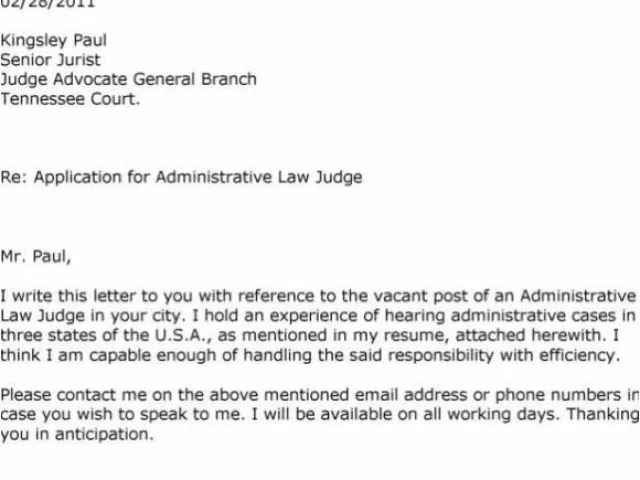
Cover Letter: Grabbing Employer’s Attention
A great cover letter is your first opportunity to make a lasting impression on a potential employer. It’s not just a formality; it’s a crucial marketing tool that can set you apart from other applicants. When crafted effectively, a cover letter serves as your personal introduction, summarizing your qualifications and demonstrating your enthusiasm for the role and the company. A well-written cover letter complements your resume, providing context, showcasing your personality, and illustrating your communication skills. It goes beyond simply listing your accomplishments; it tells a story of why you’re the ideal candidate and why you’re genuinely interested in the position. The goal is to make the hiring manager excited to learn more about you, compelling them to invite you for an interview. A great cover letter is an investment in your career, increasing your chances of landing that dream job.
Researching the Company Before Writing
Before you even start writing, thorough research is essential. This shows your genuine interest and allows you to tailor your letter to the specific needs and values of the company. Visit the company’s website to understand its mission, values, and recent projects. Explore their ‘About Us’ section, read news articles, and check their social media profiles to get a feel for their culture and brand. Look for keywords, such as core values or specific initiatives, that you can integrate into your cover letter to demonstrate that you understand their priorities. Researching the hiring manager or the team you’d be working with, if possible, can also help you personalize your letter. This groundwork ensures your cover letter isn’t generic but demonstrates your sincere interest and understanding of the company, significantly increasing your chances of success.
Tailoring Your Letter for the Job

Generic cover letters often end up in the digital trash. Tailoring your cover letter to each job application is vital. Begin by carefully reviewing the job description. Identify the key skills, qualifications, and experiences the employer is seeking. Then, align your skills and experiences with those requirements, providing specific examples to show how you meet each one. Don’t just list your duties; highlight your accomplishments and the impact you made in previous roles. Use the same keywords that are used in the job description, but do so naturally within the context of your writing. This approach immediately demonstrates that you understand the job’s requirements and are a good fit. Always address the specific needs of the employer, proving you’ve taken the time to understand their requirements and are capable of delivering on their expectations.
Highlighting Your Skills and Experience
Your cover letter should act as a showcase for your skills and experience. Instead of merely restating your resume, elaborate on key achievements and highlight the skills most relevant to the job. Use the STAR method (Situation, Task, Action, Result) to provide context and demonstrate how you have applied your skills in previous roles. For instance, if the job requires project management skills, describe a project you managed, the challenges you faced, the actions you took, and the positive outcomes you achieved. This approach provides tangible evidence of your capabilities. Show, don’t just tell, employers what you can do. When highlighting your experience, make sure your tone reflects the company culture. If the company emphasizes innovation, showcase instances where you demonstrated creativity. If collaboration is key, provide examples of your teamwork. Demonstrate how your skills align perfectly with the employer’s needs.
Quantifying Your Achievements
Adding numbers to your achievements instantly makes your cover letter more compelling and credible. Whenever possible, quantify your accomplishments to provide concrete evidence of your value. Instead of saying “Improved customer satisfaction,” state “Increased customer satisfaction scores by 20%.” Using numbers illustrates the scope and impact of your work, making it easier for employers to understand your contribution. Think about how you’ve saved time, reduced costs, increased revenue, or improved efficiency in your previous roles. Include specific metrics such as percentages, dollar amounts, or the number of people you managed. Consider the impact of your work; it also conveys your value proposition. This not only demonstrates that you are results-oriented but also helps the hiring manager understand the practical benefits of hiring you.
Using Keywords Strategically

Modern applicant tracking systems (ATS) often scan cover letters and resumes for specific keywords. To improve your chances of being noticed, strategically integrate keywords from the job description into your cover letter. This helps the ATS recognize that you are a qualified candidate. However, avoid keyword stuffing, which can make your writing sound unnatural. Instead, subtly incorporate the keywords into your sentences. This could involve using synonyms and related terms. When highlighting your skills and experience, ensure that the language you use mirrors the language in the job description. For example, if the job description emphasizes ‘project management,’ be sure to use those exact words when describing your project management experience. This not only helps you get through the ATS but also shows the hiring manager that you understand the requirements and are a good fit.
Formatting Your Cover Letter Correctly
The format of your cover letter is essential for readability and professionalism. Use a clean, easy-to-read font, such as Arial or Calibri, and keep the font size between 11 and 12 points. Maintain a consistent font throughout your letter. Use one-inch margins on all sides. Keep paragraphs concise and avoid large blocks of text. Use bullet points to highlight key achievements or skills. Include a clear and professional header with your contact information and the date. Always include the hiring manager’s name and the company’s address if available. Ensure your letter is properly aligned. A well-formatted cover letter is not only easy to read but also conveys your attention to detail. Make sure your format is consistent with your resume, reflecting your professionalism and helping to create a cohesive image of your professional identity.
Proofreading and Editing Your Letter
Proofreading is non-negotiable when preparing a cover letter. Errors in grammar and spelling can make a negative impression, no matter how impressive your qualifications are. After you’ve written your cover letter, set it aside for a day or two before rereading it. This allows you to see it with fresh eyes. Carefully check for any typos, grammatical errors, and inconsistencies. Read your letter aloud to catch awkward phrasing or missing words. Ask a friend, family member, or career counselor to proofread your letter as well. A second pair of eyes can often catch errors that you might have missed. Ensure your language is clear, concise, and professional. Double-check the recipient’s name, company name, and job title for accuracy. By taking the time to proofread and edit, you demonstrate your attention to detail and commitment to quality, significantly improving your chances of success.
How to Address the Hiring Manager

Personalizing your cover letter by addressing the hiring manager directly is a powerful way to make a positive impression. Whenever possible, research the name of the hiring manager and use it in your salutation. Using the person’s name shows that you’ve taken the time to learn about the company and the specific person who will be reading your application. If you are unable to find the hiring manager’s name, ‘Dear Hiring Manager’ is an acceptable alternative, but try to find the specific name if possible. If you have a connection with someone at the company, you may ask if they can provide the name. Avoid generic greetings such as ‘To Whom It May Concern,’ which can make your letter feel impersonal. Addressing the hiring manager by name demonstrates professionalism and respect, immediately capturing their attention.
Adding a Compelling Opening
Your opening paragraph is your first chance to grab the reader’s attention and convince them to read further. Start with a strong hook that immediately captures the reader’s interest. Consider stating your enthusiasm for the position, mentioning how you learned about the opportunity, or highlighting a key skill or achievement that aligns with the job requirements. Avoid generic opening lines such as ‘I am writing to express my interest…’ Instead, personalize your opening. Reference a recent project, article, or event related to the company to demonstrate that you’ve done your research. Explain why you’re interested in the specific role and why the company appeals to you. This demonstrates that you are genuinely interested and not just sending a generic application. A compelling opening immediately sets the tone for your letter, encouraging the hiring manager to read on.
Focusing on Your Value Proposition
Your cover letter should clearly articulate your value proposition; what do you bring to the table? Clearly state what makes you the best candidate for the job. Describe how your skills, experiences, and accomplishments align with the company’s needs and the specific requirements of the role. Show how you can solve problems, contribute to the team, and add value to the company. Think about the employer’s pain points and explain how you can address them. Explain the benefits of hiring you. Use strong action verbs to describe your abilities and results. This may include leadership, project management, or problem-solving skills. Your cover letter should be a compelling sales pitch, convincing the hiring manager that you are the perfect fit for the job and the company.
Explaining Career Goals

While your cover letter should primarily focus on how you can contribute to the company, it’s also important to briefly touch on your career goals. Explain how the role aligns with your long-term aspirations. This shows that you are ambitious and have a clear direction for your career. However, keep this section concise and focused on the company. Demonstrate how the position will help you develop professionally and contribute to your overall career trajectory. This shows that you are not only interested in the job but also see the opportunity as a step toward your professional growth. Ensure your career goals are in line with the company’s values and the role’s responsibilities. Demonstrating a clear understanding of how this role contributes to your development can also demonstrate your commitment and enthusiasm.
Concluding with a Strong Call to Action
Your conclusion should reiterate your interest in the position and leave a strong, lasting impression. Restate your value proposition and reiterate your enthusiasm for the opportunity. End with a clear call to action that encourages the hiring manager to take the next step. Specifically request an interview. Provide your contact information, including your phone number and email address. Thank the hiring manager for their time and consideration. A strong call to action makes it easy for the hiring manager to respond, increasing your chances of getting an interview. Ensure your closing is professional and reflects your eagerness to discuss your qualifications further. Proofread this section carefully, just as with the rest of your letter.