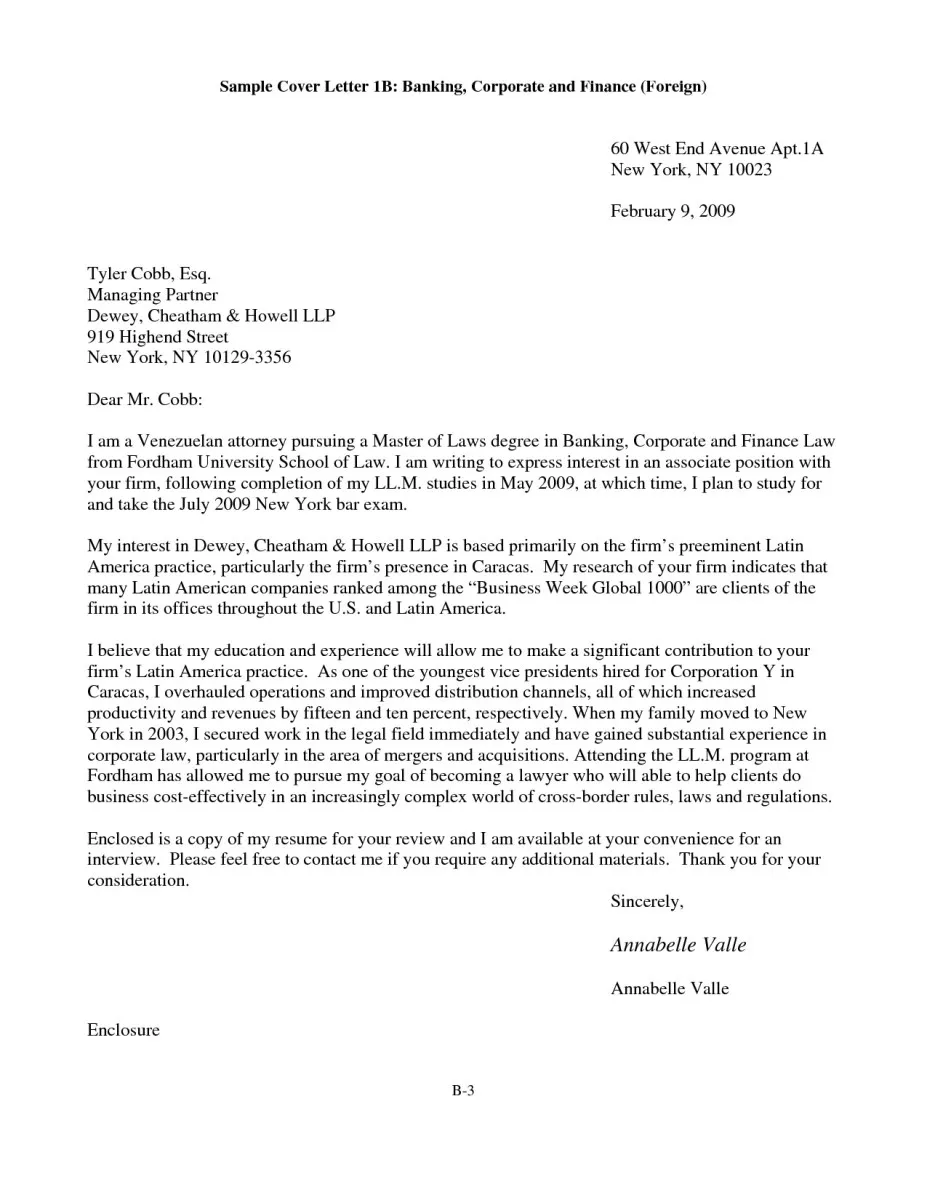
Crafting a Strong Cover Letter Conclusion
The conclusion of your cover letter is your final opportunity to make a lasting impression on a potential employer. It’s where you can solidify your interest, reiterate your value, and guide the reader toward the next step. A well-crafted conclusion is just as critical as the introduction and body paragraphs. It should be concise, impactful, and leave the hiring manager with a positive view of you and your qualifications. This is not the place to simply rehash what you’ve already said, but rather to strategically summarize your strengths and encourage further action. It’s about ensuring the reader remembers you and is motivated to contact you.
Summarize Your Key Qualifications
Quickly recap your most relevant skills and experiences. Remind the reader why you are a good fit for the position by briefly mentioning two or three key qualifications that directly align with the job requirements. Don’t just repeat what you’ve written, but synthesize your most important selling points. Focus on the aspects of your background that make you uniquely qualified and highlight them. This reinforces your value proposition and reinforces the connection between your skills and the needs of the employer. If the job demands specific software proficiency or a particular type of project experience, make sure to call those out.
Highlight Your Enthusiasm and Interest

Express your genuine interest in the opportunity and the company. Show that you are excited about the prospect of working there. Use enthusiastic language that reflects your genuine excitement about the role. Demonstrating your passion not only makes you more memorable but also conveys a strong work ethic and dedication. It’s essential that your enthusiasm seems authentic; otherwise, the effect can be counterproductive. Mention specific aspects of the role or company that appeal to you to personalize the message and show you’ve done your research.
Reiterate Your Value Proposition
Restate how you can contribute to the company’s success. Briefly remind the hiring manager of the specific benefits you bring to the table. Frame this in terms of how you can solve their problems or help them achieve their goals. This should be a concise summary of the value you offer, emphasizing the ways in which your skills and experience can meet the needs of the role. This reinforces your understanding of the company’s requirements and shows how you can support their mission. Tailor this to the specific needs highlighted in the job description for maximum impact.
Include a Clear Call to Action
Your conclusion should always guide the reader towards the next step. This is your chance to tell the hiring manager what you want them to do next. Without a clear call to action, you risk the letter ending without any further progress. A strong call to action clarifies what the reader should do, whether it is contacting you for an interview, reviewing your resume, or reaching out with any questions. It should be specific and easy to follow, so the reader is clear on what is expected of them.
Specify Desired Next Steps

Clearly state what you want the hiring manager to do next. The most common call to action is requesting an interview. State this directly and confidently. Other options include suggesting a follow-up phone call or mentioning your availability for a meeting. Frame the action in a way that is mutually beneficial. For example, instead of just saying “I look forward to hearing from you,” try “I am available for an interview at your earliest convenience and welcome the opportunity to discuss how my skills can benefit your team.”
Provide Contact Information
Ensure your contact information is readily available for the hiring manager. Provide your email address and phone number. It’s crucial that this information is up-to-date and accurate. Double-check that your email address is professional and that your voicemail greeting is appropriate. This step is straightforward, but it’s essential for ensuring that the hiring manager can easily contact you if they are interested in moving forward. Ensure your contact details are consistent with what’s on your resume.
Express Gratitude
Thank the hiring manager for their time and consideration. Show appreciation for the opportunity to apply and the time they have taken to review your application. This demonstrates professionalism and respect. Gratitude adds a positive and courteous tone to your conclusion, making a good final impression. Keep it simple and sincere. For example, “Thank you for your time and consideration. I look forward to hearing from you soon.” or “I appreciate your time and the opportunity to be considered for this position.”
Proofread and Polish Your Conclusion

Before you send your cover letter, carefully proofread it to ensure there are no errors. Errors in your conclusion can undermine all the hard work you’ve put into your application. Check for any grammatical errors, spelling mistakes, and typos. Read the conclusion aloud to catch any awkward phrasing. Consider having a friend or colleague review the conclusion to provide an objective perspective. A well-polished and error-free conclusion demonstrates attention to detail, a crucial trait that employers value. Ensure the tone is professional and matches the overall tone of your letter.
Ensure Professional Tone
Maintain a professional tone throughout your conclusion. Avoid slang, overly casual language, or overly familiar phrases. Use formal language that is appropriate for a business setting. Your tone should reflect your respect for the hiring manager and the company. It is crucial to maintain a professional demeanor to present yourself as a serious candidate. Avoid overly aggressive or demanding language. Instead, use polite, respectful language that conveys confidence and professionalism. This enhances your credibility and makes a positive final impression.