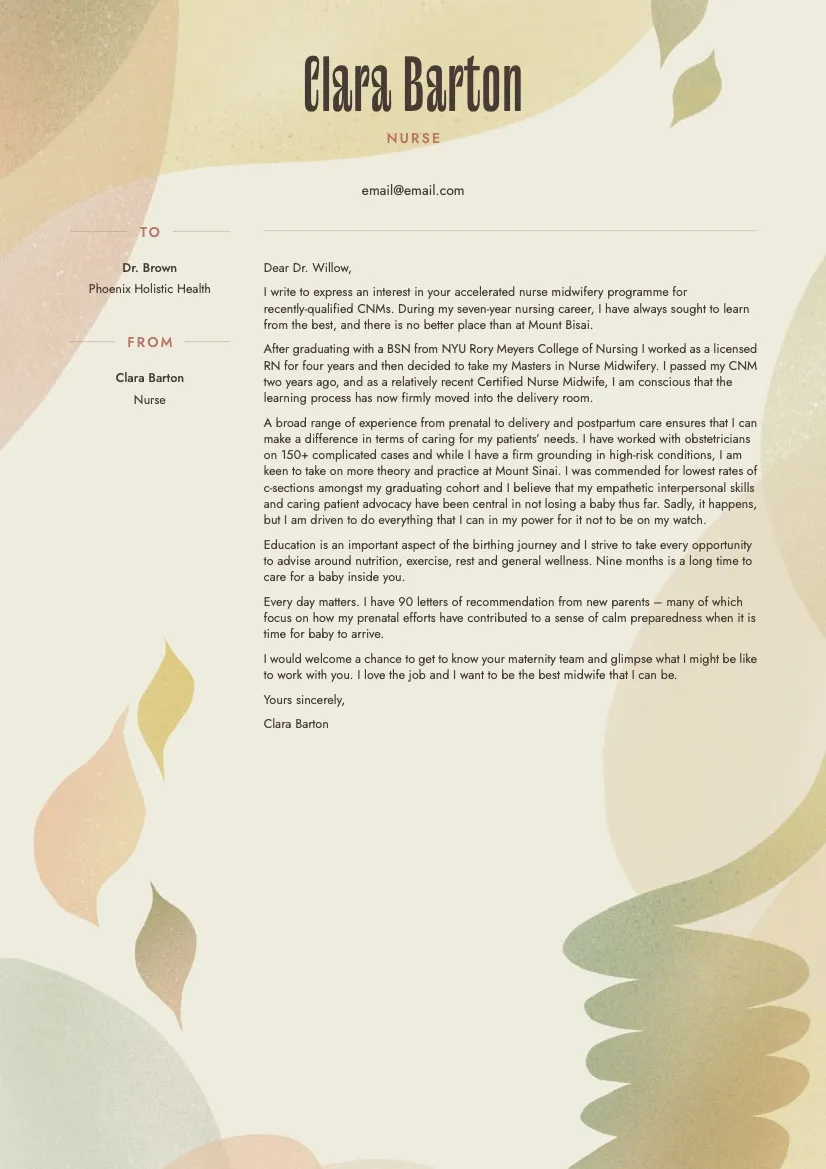
What is a Cover Letter
A cover letter is a crucial document that accompanies your resume when you apply for a job. It serves as an introduction to the hiring manager, providing context to your application and highlighting your qualifications and enthusiasm for the position. Think of it as your first chance to make a positive impression and persuade the employer to read your resume more carefully. A well-crafted cover letter can significantly increase your chances of getting an interview, while a poorly written one can lead to your application being overlooked. Understanding the purpose and importance of a cover letter is the first step in crafting a compelling one.
Why is a Cover Letter Important
In today’s competitive job market, a cover letter is an essential tool for differentiating yourself from other candidates. It allows you to personalize your application and showcase your personality, skills, and experiences in a way that a resume cannot. A cover letter demonstrates your genuine interest in the specific role and the company. It also provides an opportunity to elaborate on your qualifications, explain any gaps in your employment history, and highlight how your skills align with the job requirements. Many employers consider cover letters to be a critical factor in the hiring process, as it provides valuable insight into your communication skills, writing ability, and overall professionalism.
Key Components of a Cover Letter

A well-structured cover letter typically includes several key components. Each section plays a vital role in conveying your message effectively and creating a positive impression. These components work together to present a comprehensive picture of your qualifications, interests, and suitability for the position. A thoughtfully crafted cover letter will be easy to read and will clearly outline your key qualifications and your understanding of the job requirements. By including all the necessary elements, you can make your cover letter stand out from the competition and significantly boost your chances of getting noticed by the hiring manager.
Contact Information
At the top of your cover letter, include your contact information: your name, address, phone number, and professional email address. This information should be easy to find and readily accessible. Make sure the information is up-to-date and accurate, so the employer can easily reach you for an interview or further communication. This provides the hiring manager with the means to connect with you quickly.
Date
Below your contact information, include the date you are sending the cover letter. This provides a reference point for the employer and helps them keep track of your application. Use the standard date format (Month Day, Year), such as January 15, 2024. The date helps to keep your application process organized and creates a professional presentation.
Recipient’s Information

Address your cover letter to the hiring manager or the specific person mentioned in the job posting. If possible, research the hiring manager’s name and title. This demonstrates that you have taken the time to personalize your application. If you cannot find a specific name, use a general greeting like “Dear Hiring Manager.” Always double-check the recipient’s information for accuracy to show your attention to detail.
The Salutation
Start your cover letter with a professional salutation. If you know the hiring manager’s name, use “Dear Mr./Ms. [Last Name].” Otherwise, use “Dear Hiring Manager.” Avoid using overly casual salutations like “Hi” or “Hello” unless the company culture is known to be very informal. A professional and polite salutation sets a respectful tone for the rest of your cover letter and indicates your attention to proper business etiquette.
The Body of the Cover Letter
The body of your cover letter is where you present your qualifications and demonstrate your interest in the position. This section is divided into three key paragraphs.
First Paragraph Introduce Yourself and Purpose

Start with a strong opening paragraph that introduces yourself, states the position you are applying for, and briefly mentions where you found the job posting. You should also indicate why you are interested in the role and the company. Briefly highlight your most relevant skills or experiences that align with the job requirements, creating an immediate connection to the opportunity. This sets the stage for the rest of your letter and immediately grabs the reader’s attention.
Second Paragraph Highlight Relevant Skills and Experience
In the second paragraph, go into more detail about your skills and experience. Provide specific examples of how your qualifications match the job requirements. Use the job description as a guide and tailor your responses to the listed criteria. Quantify your accomplishments whenever possible. Use action verbs to describe your responsibilities and achievements to create a dynamic and engaging narrative that demonstrates your capabilities and contributions.
Third Paragraph Show Your Enthusiasm and Fit
In the third paragraph, demonstrate your enthusiasm for the company and the position. Explain why you are a good fit for the company culture and what you hope to achieve in the role. Show that you have researched the company and understand its mission and values. Reiterate your interest in the role and your eagerness to contribute to the team. Express your commitment to the company’s goals and how your skills align with the overall objectives, highlighting your genuine interest and desire to contribute.
The Closing

Conclude your cover letter with a professional closing. This reinforces your interest in the position and encourages the hiring manager to take the next step.
The Complimentary Close
Use a professional closing, such as “Sincerely,” “Best regards,” or “Thank you for your consideration.” These closings express your respect for the reader and show your professionalism. Choose a closing that aligns with the tone of your cover letter and company culture, ensuring a polite and respectful conclusion.
Your Signature
Leave a space for your signature, followed by your typed name. If submitting your cover letter electronically, you can scan your signature and include it or simply type your name. A signature adds a personal touch and shows your commitment to the application. This gives a formal finish to your cover letter and indicates you are ready to move forward in the hiring process.
Formatting and Design Tips

The formatting and design of your cover letter are just as important as its content. A well-formatted cover letter is easy to read and visually appealing, which increases the chances of the hiring manager giving it their full attention. Good formatting shows attention to detail and professionalism.
Font and Font Size
Choose a professional font like Times New Roman, Arial, or Calibri. Keep the font size between 10 and 12 points for easy readability. Avoid using overly decorative or complex fonts that could distract from the content. Use a clear and legible font to maintain readability and convey professionalism, helping the hiring manager focus on the message rather than struggling to read the text.
Margins and Spacing
Use standard one-inch margins on all sides of your cover letter. Use single-spacing within paragraphs and double-spacing between paragraphs. This creates a clean and organized appearance, preventing your cover letter from appearing cluttered or overwhelming. Proper spacing ensures that your letter is easy on the eyes and the information is effectively organized.
Proofreading and Editing

Before submitting your cover letter, proofread and edit it carefully for any errors in grammar, spelling, and punctuation. Ask someone else to review your letter for a second opinion. Errors can undermine your credibility, so attention to detail is essential. Proofreading ensures that your cover letter is polished, professional, and accurately conveys your message. A well-proofread cover letter is more likely to impress the hiring manager and get your application noticed.
Common Cover Letter Mistakes to Avoid
There are several common mistakes that job seekers make when writing cover letters. Avoiding these pitfalls can significantly improve your chances of success. Pay attention to the following areas to make sure your cover letter makes the best possible impression.
- Generic Content Avoid using a generic cover letter that is not tailored to the specific job and company. Customize each cover letter to demonstrate your genuine interest.
- Typos and Grammatical Errors Always proofread carefully for errors in grammar, spelling, and punctuation. These mistakes can damage your credibility.
- Too Long Keep your cover letter concise and to the point. Aim for one page maximum, focusing on your most relevant qualifications.
- Lack of Enthusiasm Demonstrate your enthusiasm for the role and the company. Show that you have researched the company and understand its mission.
- Focusing Too Much on Yourself While you should highlight your skills and experiences, avoid making your cover letter too self-centered. Focus on how you can contribute to the company.
- Not Following Instructions Always follow the instructions provided in the job posting. Pay attention to the required format and any specific application guidelines.
- Poor Formatting and Design Ensure your cover letter is well-formatted and easy to read. Use a professional font, appropriate margins, and clear spacing.