What to Say in a Cover Letter
A cover letter is your first impression, a crucial document accompanying your resume in a job application. It’s an opportunity to showcase your personality, skills, and enthusiasm for the role. Unlike your resume, which provides a factual overview of your career, a cover letter allows you to tell your story and explain why you’re the perfect fit for the position. It’s where you can connect your skills and experience to the specific requirements of the job, highlighting your passion for the company and the role. A well-crafted cover letter can significantly increase your chances of getting an interview, so it’s important to invest time and effort into crafting one that stands out.
Understanding the Purpose of a Cover Letter
The primary purpose of a cover letter is to introduce yourself and demonstrate your suitability for a specific job. It serves as a bridge between your resume and the employer’s needs, offering a more personal and persuasive narrative. The cover letter allows you to explain any gaps in your employment history, address specific requirements outlined in the job description, and express your genuine interest in the company and the role. It’s also a chance to showcase your communication skills, writing style, and attention to detail. By clearly articulating your value proposition, you can convince the hiring manager that you’re not just a qualified candidate but also an ideal fit for the company culture.
Highlighting Your Skills and Experience

When describing your skills and experience, focus on the most relevant aspects that align with the job requirements. Review the job description carefully and identify the key skills and qualifications the employer is seeking. Then, provide specific examples of how you’ve demonstrated those skills in previous roles or projects. Quantify your achievements whenever possible, using numbers and data to illustrate the impact you’ve made. For example, instead of saying “Managed social media accounts,” you could say “Increased social media engagement by 30% in six months by implementing targeted content strategies.” This approach not only demonstrates your capabilities but also provides concrete evidence of your value to the potential employer. Remember to use action verbs to start your sentences, such as ‘managed,’ ‘developed,’ ‘implemented,’ and ‘achieved’.
Tailoring Your Cover Letter for Each Job
One of the biggest mistakes job seekers make is using a generic cover letter for every application. Each cover letter should be tailored to the specific job and company you’re applying for. This means carefully reviewing the job description and highlighting the skills and experiences that are most relevant to the role. Research the company’s values, mission, and culture, and demonstrate how your skills and experience align with their specific needs. Show the hiring manager that you’ve taken the time to understand the position and are genuinely interested in the opportunity. This level of personalization shows your enthusiasm and attention to detail, significantly increasing your chances of making a positive impression. Generic cover letters often get overlooked, so take the time to customize each one.
Researching the Company and the Role
Before writing your cover letter, dedicate time to researching the company and the specific role. Visit the company’s website, read about their mission and values, and explore their recent news and projects. This research will not only help you understand the company culture but also provide you with valuable insights to incorporate into your cover letter. Identify the key challenges the company faces and consider how your skills and experience can help address them. Tailor your cover letter to show that you understand the company’s needs and are excited about contributing to its success. Showcasing this knowledge demonstrates your genuine interest and sets you apart from other candidates. Understanding the role itself is equally important; carefully analyze the job description to understand the responsibilities, required skills, and expectations.
Key Sections to Include in Your Cover Letter

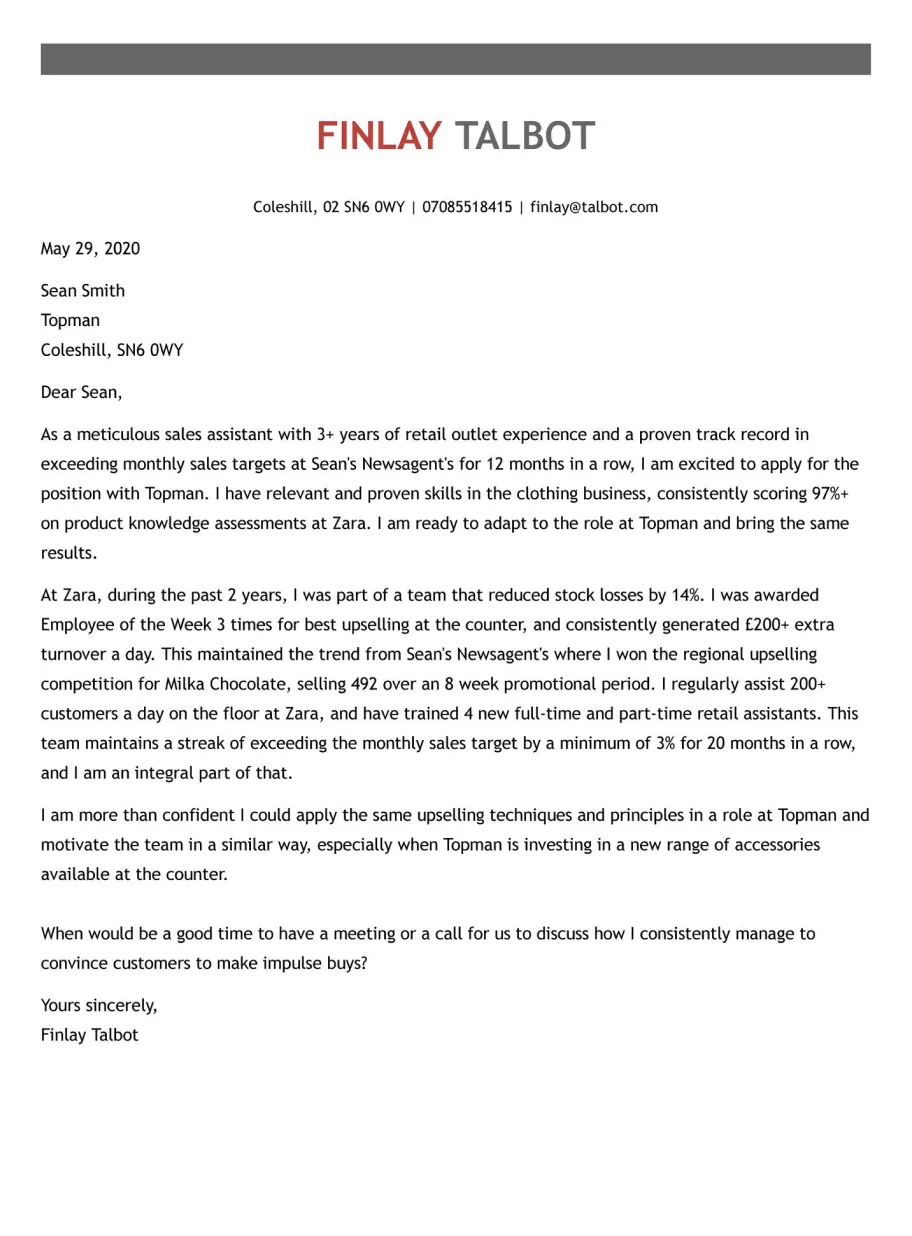
A well-structured cover letter typically includes several key sections. Start with a professional header containing your contact information and the date. Next, address the hiring manager by name if possible; if not, use a general salutation. The opening paragraph should grab the reader’s attention and clearly state the position you’re applying for and where you found it. The body paragraphs should highlight your relevant skills and experience, providing specific examples of your achievements. Tailor these paragraphs to align with the job requirements and showcase your understanding of the company. Conclude with a strong call to action, expressing your enthusiasm and inviting the hiring manager to contact you for an interview. Finally, proofread the entire letter meticulously before submitting it.
Crafting a Strong Opening Statement
The opening statement is your first opportunity to make a strong impression, so make it count. Start by stating the position you are applying for and how you learned about it. Then, immediately grab the reader’s attention by highlighting your key qualifications or a compelling achievement that aligns with the job requirements. Avoid generic phrases like “I am writing to express my interest.” Instead, try something more engaging, such as “With five years of experience in project management and a proven track record of delivering projects under budget and ahead of schedule, I am excited to apply for the Project Manager position.” This approach immediately showcases your value and piques the reader’s interest. Keep the opening concise, enthusiastic, and tailored to the specific job.
Writing a Compelling Body Paragraph
The body paragraphs are the heart of your cover letter, where you showcase your skills and experience in detail. Use these paragraphs to explain how your qualifications match the job requirements. Provide specific examples of your accomplishments and quantify your results whenever possible. For each skill or experience you highlight, explain how it benefited your previous employers or projects. Use the STAR method (Situation, Task, Action, Result) to structure your examples effectively. Start by describing the situation, explain the task you were assigned, detail the actions you took, and then highlight the positive results you achieved. This method provides a clear and concise way to demonstrate your abilities and achievements. Always tailor the content to the specific job description.
Showcasing Your Achievements and Quantifiable Results

Instead of simply listing your responsibilities, focus on showcasing your achievements and the positive results you’ve obtained in previous roles. Use numbers and data to quantify your impact. For instance, instead of saying “Managed a team,” say “Managed a team of 10, resulting in a 15% increase in productivity.” Highlighting your achievements makes your cover letter more persuasive and demonstrates your value to potential employers. Whenever possible, provide specific examples that illustrate your skills and accomplishments. Did you lead a project that was completed ahead of schedule and under budget? Did you improve sales figures or customer satisfaction ratings? Be as specific as possible to demonstrate your impact and create a lasting impression.
Including a Powerful Call to Action
The call to action is your opportunity to encourage the hiring manager to take the next step. Express your enthusiasm for the position and reiterate your interest in the company. Clearly state your desire for an interview and make it easy for the hiring manager to contact you. You can simply state, “I am eager to discuss how my skills and experience can contribute to your team. I am available for an interview at your earliest convenience.” or “Thank you for your time and consideration. I look forward to the opportunity to discuss my qualifications further and learn more about this exciting opportunity.” Always include your contact information so they can reach you easily. A strong call to action shows confidence and initiative and increases your chances of getting a response.
Formatting and Proofreading Your Cover Letter
Formatting and proofreading are crucial steps that often get overlooked. Your cover letter should be easy to read and visually appealing. Use a professional font, such as Arial or Times New Roman, and maintain consistent formatting throughout. Use clear headings and ample white space to break up the text and make it easier on the reader’s eyes. Before submitting your cover letter, proofread it carefully for any grammatical errors, spelling mistakes, or typos. Check for consistency in formatting and wording. It’s also a good idea to have a friend or colleague review your cover letter for any errors or areas that could be improved. A well-formatted and error-free cover letter demonstrates your attention to detail and professionalism, making a positive impression on the hiring manager.