Understanding the Importance of a Cover Letter
In the competitive landscape of job applications, a well-crafted cover letter can be your secret weapon. It’s more than just a formality; it’s your opportunity to make a strong first impression and distinguish yourself from other candidates. While resumes provide a factual overview of your skills and experience, a cover letter allows you to tell a story and demonstrate your personality, passion, and suitability for the specific role. It’s your chance to persuade the hiring manager that you’re not just qualified, but the ideal fit for their team. Neglecting this crucial document is akin to leaving potential on the table, limiting your chances of securing an interview and ultimately, the job. A cover letter acts as a critical bridge between your resume and the hiring manager’s needs, making it an essential component of any successful job application strategy.
Why a Cover Letter Matters
A cover letter serves several vital purposes. Firstly, it provides context to your resume. It allows you to explain gaps in your employment history, career changes, or any other nuances that might require clarification. Secondly, it demonstrates your communication skills. A well-written cover letter showcases your ability to articulate your thoughts, ideas, and aspirations in a clear, concise, and engaging manner. This is particularly important for roles that require strong writing or communication skills. Thirdly, it allows you to highlight the specific skills and experiences that align with the job description. You can tailor your letter to emphasize the aspects of your background that are most relevant to the position, making a strong case for why you should be considered. Finally, a cover letter provides an opportunity to express your enthusiasm for the role and the company, showcasing your genuine interest and motivation.
The Impact of a Well-Written Cover Letter

The impact of a well-written cover letter is significant. It can significantly increase your chances of getting noticed by a hiring manager. A compelling cover letter can capture the attention of the reader and make them want to learn more about you. It can also help you stand out from the crowd. In a pile of applications, a well-crafted cover letter can be the deciding factor that lands you an interview. A cover letter that is tailored to the specific job requirements demonstrates that you’ve done your research and are genuinely interested in the opportunity. This level of personalization shows initiative and a commitment to excellence, qualities that are highly valued by employers. Ultimately, a strong cover letter can be the key to unlocking the door to your dream job.
Tip 1 Tailoring Your Cover Letter
One of the most critical tips for crafting a stellar cover letter is tailoring it to each job application. Generic cover letters are easily identified and often discarded. To truly impress a hiring manager, you need to demonstrate that you’ve taken the time to understand the role, the company, and what they’re looking for in a candidate. This process of tailoring involves careful research, highlighting relevant skills, and aligning your experience with the specific requirements outlined in the job description. This level of detail and consideration will resonate with the recruiter and increase your chances of making it to the next round of interviews. Never underestimate the power of personalization.
Researching the Company
Before you even begin to write your cover letter, invest time in researching the company. Visit their website, read about their mission and values, and explore their recent news and projects. Understand their culture, their goals, and their current challenges. This knowledge will inform your cover letter, allowing you to demonstrate a genuine interest in the company and align your skills and experience with their specific needs. Find out the names of key people in the department you are applying to (if possible). Knowing this information allows you to address the cover letter appropriately, which is a great way to make a good first impression. This is an important part of the application process.
Highlighting Relevant Skills and Experience

Once you’ve researched the company, carefully review the job description. Identify the key skills and experiences they’re seeking in a candidate. Then, go through your resume and identify the instances where you’ve demonstrated those skills and experiences. Use the cover letter as an opportunity to elaborate on these points, providing specific examples and quantifying your achievements whenever possible. Avoid simply restating your resume; instead, use the cover letter to connect the dots and explain how your background makes you a strong fit for the role. Focus on those points and omit the experiences that are not so relevant. Your goal is to make a strong case for why you possess the qualities the employer is looking for.
Tip 2 Crafting a Compelling Opening
The opening of your cover letter is your first and best opportunity to grab the reader’s attention. It sets the tone for the entire letter and determines whether the hiring manager will continue reading. A compelling opening is concise, engaging, and immediately conveys your enthusiasm for the role. You want to make them want to learn more about you. The opening should be tailored to the specific job and company. Avoid generic greetings or phrases that could apply to any job. Instead, strive to create a unique introduction that highlights your most relevant skills or experiences. The more impactful the opening is, the greater your chances of capturing the reader’s interest from the very beginning. This will also help you stand out from the crowd.
Grabbing the Reader’s Attention Immediately
The opening sentence of your cover letter should immediately capture the reader’s attention. Start with a strong statement that highlights your most relevant skill, a specific achievement, or your enthusiasm for the company. Consider starting with an interesting anecdote or a statement about what excites you about the position. Avoid generic phrases like “I am writing to express my interest…” Instead, be direct and assertive. For example, you could say, “With five years of experience in project management and a proven track record of delivering projects on time and under budget, I am confident I can excel in the Project Manager role at your company.” Make your opening sentence concise, engaging, and tailored to the specific job.
Avoiding Generic Greetings

Generic greetings, such as “To Whom It May Concern,” are impersonal and demonstrate a lack of effort. They also suggest that you haven’t taken the time to research the company or the hiring manager. To avoid this, try to find the name of the hiring manager or the person to whom you should address the letter. If you can’t find a name, use a more specific greeting, such as “Dear Hiring Team” or “Dear [Department Name] Hiring Manager.” Always aim to make your cover letter as personalized as possible. Personalization not only shows that you care about the position, but also allows you to make a better first impression by coming off as a personable and professional applicant. These steps will improve your application.
Tip 3 Showcasing Your Achievements
Instead of just listing your responsibilities, use your cover letter to showcase your accomplishments. Highlight specific achievements that demonstrate your skills and abilities. Quantify your results whenever possible using numbers, percentages, or dollar amounts to illustrate your impact. This is where your ability to show that you’ve contributed value to past companies will help set you apart from the other applicants. Use the STAR method to structure your examples. By focusing on your accomplishments, you’ll provide concrete evidence of your value and make a stronger case for why you’re the right fit for the job. This is the most effective way to show a recruiter what you’re capable of and how it relates to the role you’re applying for.
Using the STAR Method
The STAR method is a powerful technique for structuring your achievement examples. STAR stands for Situation, Task, Action, and Result. First, describe the Situation: the context or background of the situation. Next, describe the Task: the task you were assigned or the challenge you faced. Then, explain the Action: the specific steps you took to address the situation or complete the task. Finally, detail the Result: the outcome of your actions, highlighting your accomplishments and the positive impact you had. Using the STAR method ensures that your examples are clear, concise, and impactful, providing concrete evidence of your skills and abilities. Using this method makes your past experience relevant to your current application.
Quantifying Your Accomplishments

Quantifying your accomplishments makes them more concrete and impactful. Instead of saying “Improved customer satisfaction,” say “Increased customer satisfaction by 15% in six months.” Instead of saying “Managed social media accounts,” say “Managed social media accounts, resulting in a 20% increase in followers and a 10% rise in engagement.” Whenever possible, use numbers, percentages, or dollar amounts to illustrate your impact. This provides tangible evidence of your value and demonstrates your ability to deliver results. The more specific you are, the more impressive your achievements will be. Remember to include these details to demonstrate your impact in previous roles.
Tip 4 Demonstrating Enthusiasm and Fit
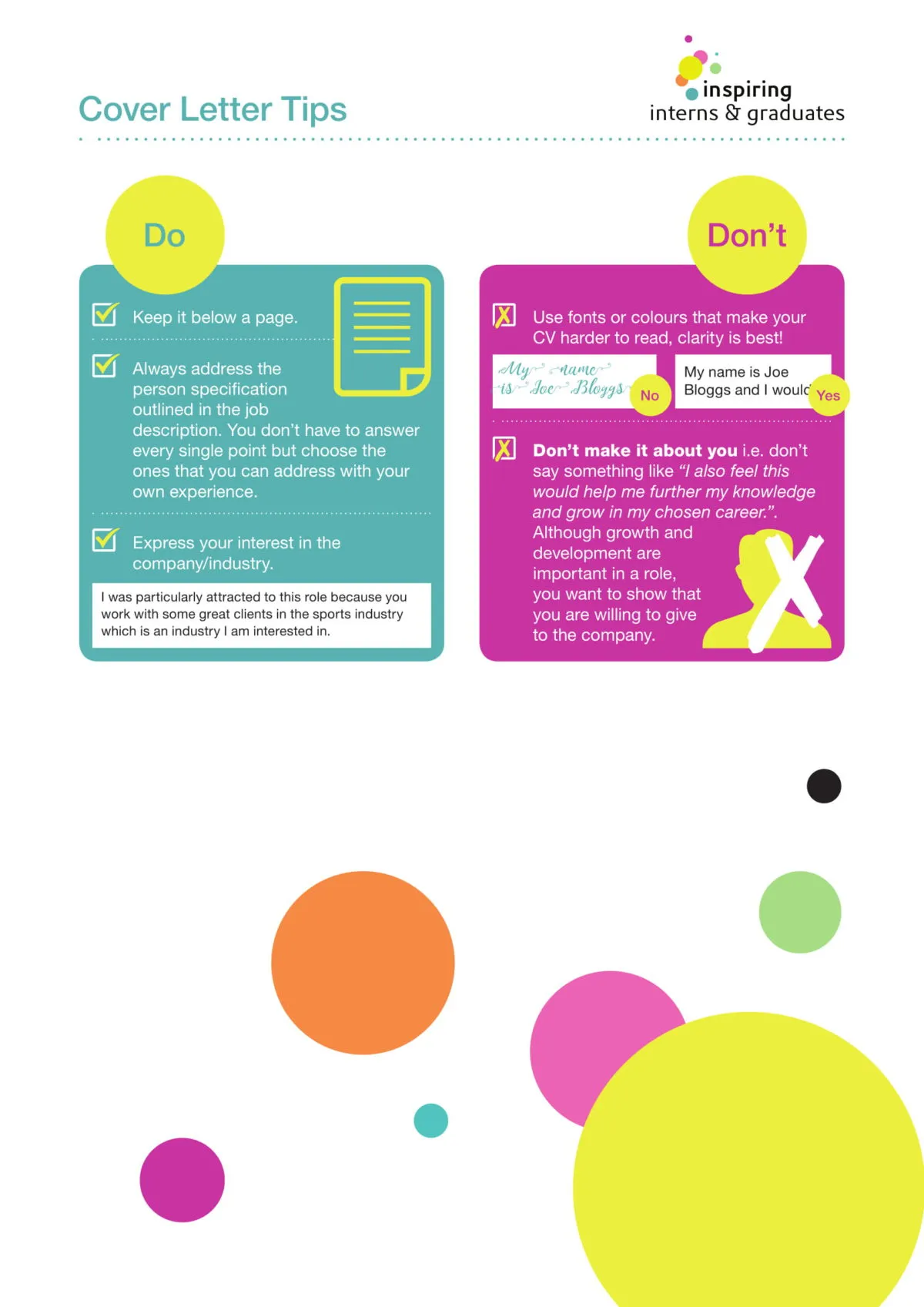
Demonstrating enthusiasm and fit is crucial for securing a job offer. Hiring managers want to hire someone who is genuinely interested in the role and the company. Your cover letter is the perfect place to express this enthusiasm and explain why you’re a good fit. This involves expressing your genuine interest in the role and company, connecting your skills to the job requirements, and highlighting your understanding of the company’s mission and values. When you demonstrate a genuine passion for the opportunity, you set yourself apart from other candidates. Do your research to find out the qualities that they want in a candidate. That way you will be able to highlight your own qualities that would be applicable to the role.
Expressing Genuine Interest in the Role and Company
Expressing genuine interest is more than simply stating that you want the job. It means demonstrating that you’ve done your research and understand the company’s mission, values, and goals. Mention specific aspects of the role or the company that excite you. Explain why you’re drawn to this particular opportunity and what you hope to contribute. This may include your understanding of the company’s products, services, or market position. Be specific and sincere. Your goal is to show the hiring manager that you are truly enthusiastic about the opportunity. Always personalize your message to show you did your research and are interested in the position.
Connecting Your Skills to the Job Requirements

Carefully review the job description and identify the key skills and qualifications the employer is seeking. Then, in your cover letter, explicitly connect your skills and experiences to those requirements. Provide specific examples of how you’ve demonstrated those skills in the past. Focus on the aspects of your background that are most relevant to the role. This is the most important part of the cover letter. If you don’t possess all the required skills, highlight the transferable skills and your willingness to learn. By clearly demonstrating how your abilities align with the job requirements, you will convince the hiring manager that you are a strong contender.
Tip 5 Professional Formatting and Proofreading
Professional formatting and proofreading are non-negotiable. Your cover letter represents you, and any errors or inconsistencies can undermine your credibility. It is the last step in your process, but is no less important than any of the previous ones. Therefore, pay close attention to the formatting and ensure that your letter is polished and error-free. The layout should be clean, readable, and easy to scan. Proper formatting and thorough proofreading demonstrates your attention to detail and your commitment to excellence. This will go a long way in the hiring process, as the recruiter can see that you take pride in all you do.
Formatting Guidelines for Readability
Use a professional font, such as Times New Roman, Arial, or Calibri, in a size between 10 and 12 points. Use standard margins (1 inch on all sides) and single-space the body of the letter with a space between paragraphs. Use a clear and concise writing style. Avoid jargon, overly complex sentences, and lengthy paragraphs. Break up long blocks of text with bullet points or lists when appropriate. Make sure the formatting is consistent throughout the document. A well-formatted cover letter is easy to read and makes a positive impression on the hiring manager. Follow basic formatting principles to make your application as readable as possible.
Proofreading and Editing for Errors

Proofreading and editing your cover letter is essential. Spelling, grammar, and punctuation errors can undermine your credibility and make you look unprofessional. Proofread your letter multiple times, and ask a friend or family member to review it as well. Use grammar and spelling checkers, but don’t rely on them entirely. Look for inconsistencies in formatting, awkward phrasing, and any other errors that might detract from your message. Thorough proofreading ensures that your cover letter is polished and professional. This is the final step in your cover letter creation. If this step is not done correctly, all the previous efforts may be in vain.
Conclusion
Crafting a stellar cover letter is an investment in your career. It allows you to showcase your unique skills, experiences, and enthusiasm for the role and the company. By following these five tips – tailoring your letter, crafting a compelling opening, showcasing your achievements, demonstrating enthusiasm, and prioritizing professional formatting and proofreading – you can significantly increase your chances of landing an interview and securing your dream job. Remember, the cover letter is your chance to make a strong first impression, so make it count. Good luck with your job search!