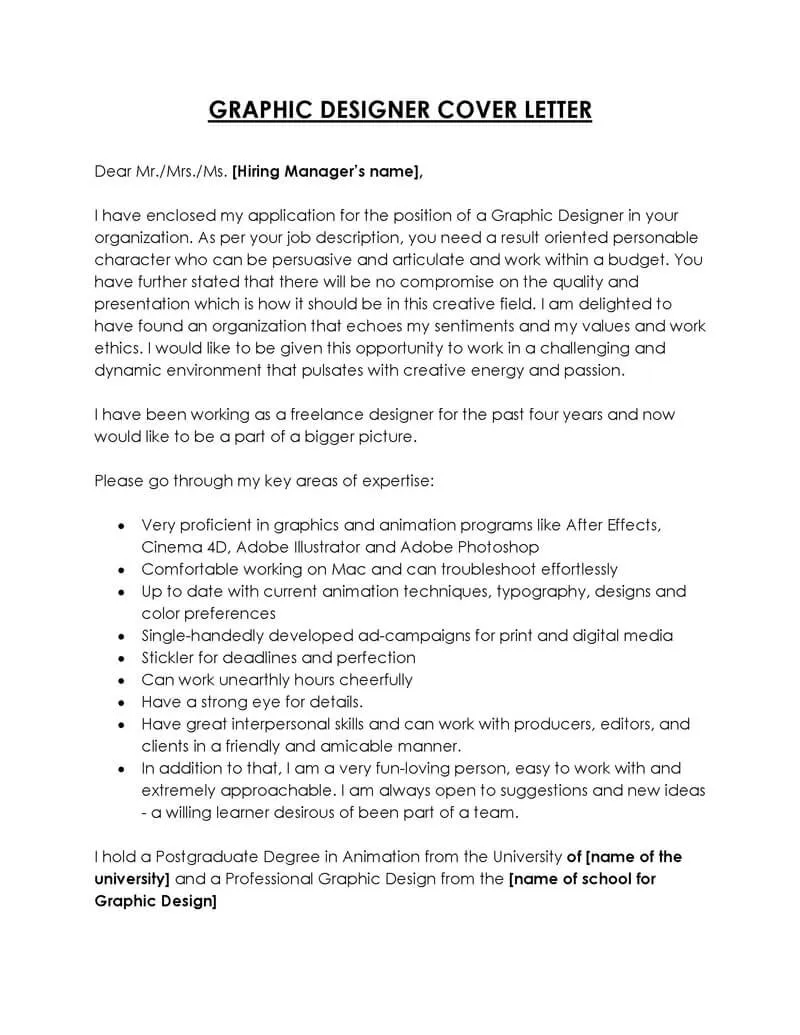
Understanding the Cover Letter’s Role
The cover letter is often the first impression you make on a potential employer, and it can be a crucial factor in determining whether your resume gets a second look. It serves as your personal introduction, a snapshot of your skills and experiences, and a clear demonstration of your enthusiasm for the position and the company. A well-crafted cover letter complements your resume by providing context, showcasing your personality, and highlighting the specific ways you can contribute to the organization. It’s not merely a formality, but an opportunity to make a compelling case for why you are the ideal candidate, setting you apart from the sea of applicants. Therefore, understanding its significance and mastering the art of cover letter writing is a cornerstone of a successful job search strategy. Consider the cover letter as your personal sales pitch, designed to capture the reader’s attention and compel them to learn more about you.
Why Use a Graphic Organizer for Your Cover Letter?
Crafting a cover letter can feel daunting. You have to articulate your skills, experiences, and enthusiasm concisely and persuasively. This is where a cover letter graphic organizer becomes an invaluable tool. A graphic organizer is a visual aid that helps you structure your thoughts, ensuring a logical flow and a clear, concise message. It simplifies the writing process by breaking down the cover letter into manageable sections, allowing you to focus on the content without feeling overwhelmed. It also helps you visualize the relationships between different pieces of information and identify gaps in your content, ultimately leading to a more polished and effective cover letter. With a graphic organizer, you can create a cover letter that is not only well-written but also perfectly tailored to the specific job you are applying for, making it easier to showcase your qualifications effectively.
Benefits of Using a Cover Letter Graphic Organizer

Using a cover letter graphic organizer offers a multitude of benefits. Firstly, it promotes a structured approach to writing, ensuring that you cover all the essential elements of a cover letter, from the header to the closing. Secondly, it helps you organize your thoughts and ideas before you start writing, making the writing process much more efficient and less prone to writer’s block. A graphic organizer allows you to brainstorm and outline your content, ensuring that your cover letter has a clear and logical flow. Thirdly, it provides a visual framework that helps you see how your ideas connect, making it easier to identify and eliminate redundant information or gaps in your argument. Finally, using a graphic organizer encourages you to tailor your cover letter to each specific job application. By taking the time to plan and structure your cover letter, you are more likely to produce a polished, professional document that grabs the attention of potential employers.
Organizing Your Cover Letter Structure
A well-structured cover letter is essential for making a strong impression. The general structure typically includes a header, greeting, introduction, body paragraphs, a call to action, and a closing. Each section serves a specific purpose, and their careful arrangement guides the reader through your qualifications and enthusiasm for the role. The header includes your contact information and the date, while the greeting addresses the hiring manager. The introduction grabs the reader’s attention, stating the position you’re applying for and how you found the opportunity. The body paragraphs provide details of your skills, experience, and achievements, tailored to the job requirements. A call to action encourages the hiring manager to review your resume and contact you for an interview, and the closing expresses gratitude and re-emphasizes your interest. A structured cover letter demonstrates your attention to detail and professionalism, making your application more likely to stand out from the crowd.
Header Section
The header of your cover letter sets the stage for a professional presentation. It should include your full name, contact information (phone number, email address, and possibly your LinkedIn profile URL), and the date. The header is usually positioned at the top of the document. Ensure that your contact information is accurate and up-to-date, as this is how employers will reach you. Consider using a professional-looking font and a consistent layout to maintain a polished look. Additionally, the header is where you can include the recipient’s information, such as the hiring manager’s name and the company’s address, if you have it. Accurate and easy-to-find contact information is a fundamental courtesy, and demonstrates your attention to detail, making a positive initial impression on the hiring manager.
Greeting Section

The greeting is your initial point of contact and sets the tone for your letter. Aim to address the hiring manager or the specific person listed in the job description by name. This personalization demonstrates your attention to detail and initiative. If you are unable to find a specific name, using a generic greeting such as ‘Dear Hiring Manager’ is acceptable. Avoid overly casual greetings like ‘Hey’ or ‘Hi.’ The greeting should be followed by a colon or comma, depending on your style. The goal is to create a professional and engaging start to your cover letter, making the reader feel acknowledged and respected. This small detail can greatly impact the initial impression you create, setting the stage for a more positive engagement with your application.
Body Paragraph 1 Introduce Yourself
The first body paragraph should introduce you and clearly state the position you are applying for. It’s crucial to mention where you saw the job posting to show your interest and initiative. Briefly state your qualifications, ideally mentioning your experience or skills that directly align with the job requirements. This paragraph should immediately capture the reader’s attention and provide them with a clear understanding of why you’re a good fit for the role. Avoid generic introductions and use specific details that reflect your understanding of the company and the position. Make the introduction compelling by expressing your enthusiasm and highlighting key aspects that set you apart from other candidates. By presenting your candidacy with clarity and purpose, you set a solid foundation for the rest of your cover letter.
Body Paragraph 2 Highlight Skills and Experience
The second body paragraph is where you delve into your relevant skills and experiences. Provide specific examples of your accomplishments that directly match the job requirements. Quantify your achievements whenever possible; for example, ‘Increased sales by 15% in six months.’ Use action verbs to describe your responsibilities and how you contributed to previous successes. Focus on the skills and experiences that the employer is looking for, as mentioned in the job description. This part of your cover letter is designed to demonstrate your value and showcase your capabilities. Make it clear how your expertise can benefit the company. When explaining your experiences, always tailor them to the specific role you are applying for, emphasizing transferable skills and relevant knowledge.
Body Paragraph 3 Express Enthusiasm

In the third body paragraph, show your enthusiasm for the company and the role. Research the company and mention something specific that excites you about working there, such as their mission, values, or recent projects. Explain why you are passionate about the industry and the specific type of work involved. Show how your personal and professional goals align with the company’s objectives, providing a clear demonstration of your commitment. This paragraph is your opportunity to connect with the reader on a more personal level and demonstrate that you are not just looking for any job but are genuinely interested in this specific opportunity. Expressing your enthusiasm makes you memorable and highlights your motivation to succeed in the role.
Call to Action Section
The call to action section prompts the reader to take the next step. Clearly state your interest in an interview and express your availability. Provide your contact information again and include a polite, professional closing. Thank the hiring manager for their time and consideration. Reiterate your enthusiasm and the ways you can contribute to the company’s success. This section ensures that you are not just expressing interest but also facilitating the process of getting hired. Make it easy for the hiring manager to move forward by providing clear instructions on the next steps, such as reviewing your resume or contacting you for an interview. Always keep the tone professional and express your gratitude.
Closing Section
The closing section provides a final opportunity to leave a positive impression. Use a professional closing such as ‘Sincerely,’ or ‘Best regards,’ followed by your typed name. Avoid overly casual or informal closings. Before submitting your cover letter, proofread it carefully for any errors in grammar, spelling, or punctuation. Ensure that the formatting is consistent and that your contact information is accurate. A well-crafted closing reinforces your professionalism and attention to detail. This simple act demonstrates your commitment to excellence and respect for the hiring process. By carefully crafting this section, you can reinforce your qualifications and leave a lasting, positive impression on the hiring manager.
Filling Your Cover Letter Graphic Organizer

Using a graphic organizer helps you streamline the process of writing an effective cover letter. Before you begin drafting your cover letter, organizing your thoughts is essential. This can be accomplished using different types of graphic organizers, such as outlines, mind maps, or tables. These visual aids will help you break down the writing process into manageable steps, allowing you to clearly structure your content. Whether it is a mind map or an outline, each section of the organizer prompts you to focus on specific components, like your skills, experiences, and how they align with the job description. The ability to organize your thoughts ensures you do not overlook important aspects or details. Begin with the header and greeting, then move through the body paragraphs, call to action, and closing. A well-structured graphic organizer enhances your focus and creates a framework for a polished cover letter.
Step 1 Gather Information
The initial step involves gathering all necessary information. This includes the job description, your resume, and any other materials related to the application. Carefully review the job description to identify the key skills, experiences, and qualifications the employer is seeking. Your resume serves as a repository of your skills and achievements; review it to identify relevant experiences that align with the job requirements. Collect any company information that demonstrates your interest and understanding of their mission and values. Keep track of keywords and phrases from the job description, as these are vital when tailoring your letter. During this phase, you can create a list of your accomplishments, skills, and relevant experience for quick access. Gathering all essential information first creates a foundation for a well-targeted and persuasive cover letter.
Step 2 Brainstorm and Outline
Once you’ve gathered the necessary information, the next step is to brainstorm and create an outline using the graphic organizer. Begin by writing the job title and company name at the top of your graphic organizer. Then, brainstorm ideas for each section of the cover letter: header, greeting, introduction, body paragraphs, call to action, and closing. For each section, list key points, ideas, and examples that you want to include. Organize these ideas in a logical order, making sure they flow well from one section to the next. This step ensures your cover letter is well-structured and contains all the essential information. Ensure that each section of your organizer includes the core elements needed to make your letter successful. This process will transform your scattered thoughts into a structured draft, making the actual writing process much smoother.
Step 3 Drafting the Content
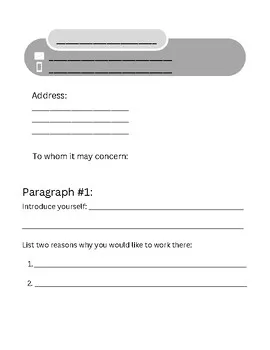
Now, it’s time to draft the content for each section of your cover letter. Using your graphic organizer as a guide, write the header, greeting, introduction, body paragraphs, call to action, and closing. Focus on clarity and conciseness, using strong action verbs and quantifiable achievements. Remember to tailor your letter to the specific job and company, referencing key skills and experiences that match their requirements. Structure your content logically, ensuring each section flows smoothly into the next. Use the brainstorming notes you made earlier to guide the creation of your content, ensuring all essential details are included. Once all sections are drafted, review the entire document to ensure that the flow, message, and structure are cohesive and convincing. Keep your language professional and the tone enthusiastic.
Step 4 Review and Refine
After drafting your content, review and refine your cover letter. Start by checking for errors in grammar, spelling, and punctuation. Then, assess the overall structure and flow of your letter. Ensure that each paragraph serves a clear purpose and that the information is well-organized and easy to read. Make sure your language is clear, concise, and impactful. Check the relevance of the content against the job description and company information to ensure you’ve addressed all the key points. Get a second opinion from a friend or career counselor to gain feedback on your letter’s clarity and persuasiveness. Refine your letter based on the suggestions to produce a polished document. Before submitting, make sure the formatting is correct and the contact information is accurate.
Tips for an Effective Cover Letter
To create an effective cover letter, there are a few key strategies to keep in mind. First, personalize your cover letter for each job application, ensuring that it directly addresses the job requirements and the company’s values. Research the company, and tailor your language to reflect the company culture. Use action verbs to describe your accomplishments and experiences. Quantify your achievements whenever possible; for example, ‘Managed a team of five, resulting in a 20% increase in project efficiency.’ Keep your letter concise and to the point. Avoid generic phrases and clichés, and instead, write in a clear and compelling voice. Proofread your cover letter carefully for any errors. Seek feedback from friends, family, or career advisors. The final goal is to showcase yourself as the ideal candidate.