What is a Cover Letter
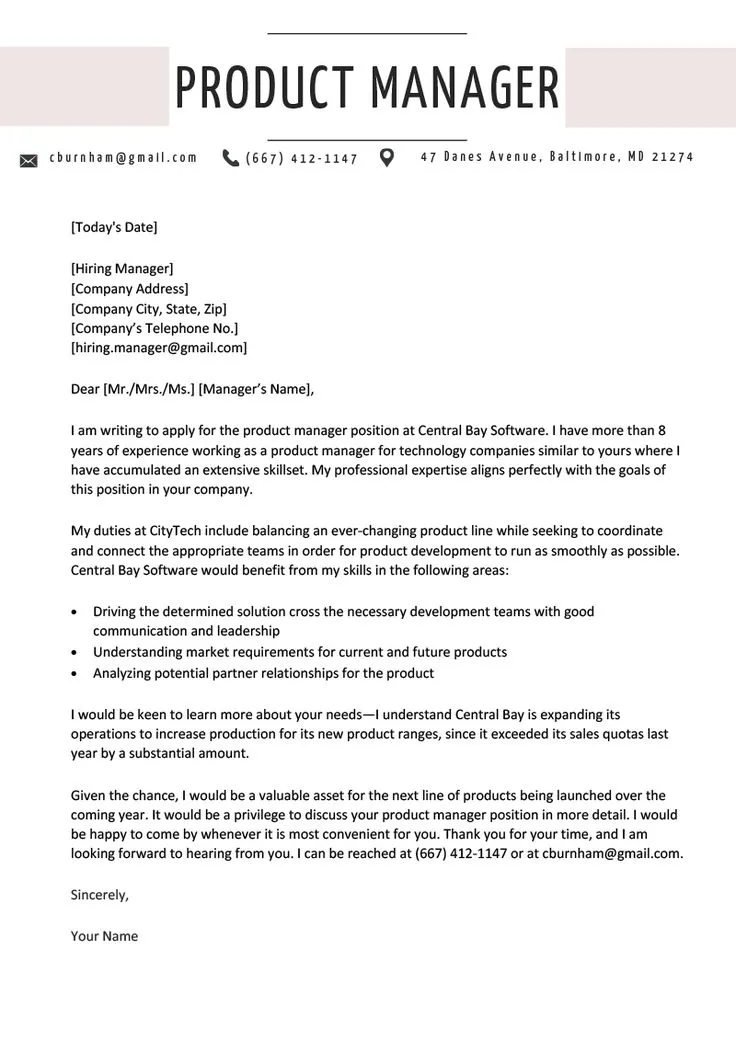
A cover letter is a crucial document that accompanies your resume when applying for a job. It serves as your introduction to the hiring manager, providing an opportunity to highlight your key skills, experiences, and qualifications while demonstrating your enthusiasm for the position and the company. Think of it as your personal sales pitch, designed to persuade the employer to invite you for an interview. Unlike your resume, which is a factual summary of your work history, a cover letter allows you to provide context, explain your career goals, and express your personality. A well-written cover letter significantly increases your chances of landing an interview.
The Importance of a Cover Letter
The importance of a cover letter cannot be overstated in today’s competitive job market. It allows you to make a strong first impression and differentiate yourself from other applicants. A cover letter enables you to tailor your application to a specific job, showcasing your understanding of the role and the company’s needs. It also provides an opportunity to address any potential gaps or weaknesses in your resume, such as career changes or employment gaps. Furthermore, a cover letter demonstrates your written communication skills, attention to detail, and genuine interest in the position. In many cases, a compelling cover letter can be the deciding factor in whether or not you get an interview, so it’s essential to invest time and effort in crafting a well-written one.
Key Components of a Cover Letter

A well-structured cover letter typically includes several key components. These elements work together to create a cohesive and persuasive document that effectively communicates your qualifications and interest in the job. Following a standard format ensures your letter is easy to read and allows you to present your information in a clear and concise manner, increasing its impact on the hiring manager. The structure helps to guide the reader through your experiences and highlights what makes you the best candidate.
Contact Information
Start with your contact information at the top of the cover letter. This includes your full name, address, phone number, and email address. This ensures that the hiring manager can easily contact you if they are interested in your application. This section should be clearly presented and formatted consistently with your resume. Ensure that the email address you provide is professional. It is crucial to use an email address that reflects positively on you. Including this information at the top saves time and effort for the recruiter. It’s a fundamental element of any cover letter, laying the groundwork for a professional and accessible application.
Your Name and Contact Details
At the top left or right of your cover letter, include your name, address, phone number, and professional email address. Using a professional email address is important to make a good first impression. Make sure your contact information is easy to read and readily available. The aim is for the hiring manager to quickly find how to contact you if they find you a good fit for the job.
Date and Recipient Information

Below your contact information, include the date. Then, add the hiring manager’s name, title, and the company’s name and address. If you can’t find the hiring manager’s name, research on LinkedIn or the company website. Addressing the letter to a specific person makes it more personal and shows you’ve done your research. This section demonstrates attention to detail and respect for the recipient, setting a professional tone from the start and showing your commitment to the application process.
The Salutation
The salutation is the opening greeting of your cover letter. It sets the tone for the rest of your communication. The salutation should be professional and appropriate for the context. When unsure, it is safer to use a formal salutation than an informal one. The right salutation makes a significant difference, conveying respect and making the hiring manager more receptive to your message.
How to Address the Hiring Manager
If you know the hiring manager’s name, use it. ‘Dear Mr./Ms./Mx. [Last Name]’ is the most professional approach. If you are unsure of the name, use ‘Dear Hiring Manager’ or ‘Dear [Company Name] Hiring Team.’ Avoid generic greetings like ‘To Whom It May Concern.’ Personalizing the salutation makes the cover letter more engaging and shows that you’ve taken the time to research and understand the role. When you do not know who to address, doing your research is key, using LinkedIn, company websites and other resources to find a name is important.
The Body Paragraphs

The body paragraphs are the heart of your cover letter. They should be carefully crafted to highlight your skills, experience, and interest in the position. Each paragraph should have a clear purpose, contributing to the overall narrative of why you are the best candidate. These paragraphs provide an opportunity to expand on your resume, providing context and showcasing your personality. The body is where you tell your story, connecting your background to the job requirements and demonstrating your enthusiasm.
Opening Paragraph Grab Attention
The opening paragraph is your chance to grab the hiring manager’s attention. Start with a strong statement that immediately captures their interest. Mention the specific position you are applying for and where you found the job posting. Briefly highlight your most relevant qualifications or accomplishments, and state your enthusiasm for the role and the company. Make a compelling case for why you’re the perfect fit and show your eagerness. Creating an opening that stands out is key to getting the reader invested in your application. The first impression is critical, and this paragraph sets the stage for the rest of your cover letter.
Middle Paragraphs Showcase Skills
The middle paragraphs should expand on your qualifications and experiences. Use specific examples to demonstrate how your skills and achievements align with the job requirements. Tailor these paragraphs to the specific needs of the position, highlighting the most relevant aspects of your background. Quantify your accomplishments whenever possible, using numbers and data to illustrate your impact. Make a case for your abilities by providing evidence of your successes in past roles. The goal is to connect your experience directly to the job description, showing the hiring manager how you can add value to their team. Use a skills-based approach, linking your abilities directly to the job’s needs.
Closing Paragraph Call to Action

In the closing paragraph, reiterate your interest in the position and the company. Summarize your key qualifications and express your enthusiasm for the opportunity. Include a call to action, such as requesting an interview or expressing your willingness to discuss your qualifications further. Thank the hiring manager for their time and consideration. A strong closing leaves a lasting impression and motivates the hiring manager to take the next step. Ending with a clear call to action ensures you guide the process to the next step, and demonstrates your initiative.
The Closing
The closing is the final element of your cover letter. It is a short and polite statement that signals the end of your letter. The goal is to leave a professional and positive impression. The closing is your last opportunity to reiterate your interest and thank the reader for their attention. Choosing the right closing can help end the letter on a strong note.
Formal Closing and Signature
Use a professional closing such as ‘Sincerely,’ ‘Regards,’ or ‘Best regards.’ Below the closing, leave space for your signature if you’re submitting a printed cover letter. If you’re sending an electronic version, you can simply type your full name. Ensure the closing is consistent with the overall tone of your letter and the company culture. A formal closing shows respect and reinforces your professionalism, leaving the reader with a positive final thought.
Cover Letter Formatting and Design

Proper formatting and design are essential for making your cover letter easy to read and visually appealing. A well-formatted cover letter demonstrates attention to detail, professionalism, and respect for the reader. Clean and consistent formatting makes your cover letter more inviting and helps the hiring manager quickly grasp your qualifications. A well-designed cover letter enhances readability and ensures that your message is effectively conveyed. Proper formatting is as important as the content itself, because it makes a positive impact and shows your professionalism to the hiring manager.
Font and Font Size
Choose a professional and easy-to-read font such as Times New Roman, Arial, or Calibri. Use a font size between 10 and 12 points. Avoid overly stylized or decorative fonts, as they can be distracting. Consistent and clear fonts improve readability, allowing the hiring manager to focus on the content of your letter. Fonts and sizes that are easy to read ensure your message is conveyed effectively and is taken seriously.
Margins and Spacing
Use standard margins (1 inch on all sides) to create ample white space. Use single-spacing within paragraphs and double-spacing between paragraphs. Proper spacing makes the letter easier to read and prevents it from appearing cluttered. Adequate margins and spacing give your cover letter a clean and professional look, making a good impression on the reader and helping to show your attention to detail. The goal is to provide a visual balance.
Length of the Cover Letter

Keep your cover letter concise, ideally one page long. Focus on the most relevant information and avoid unnecessary details. Be clear and direct in your writing. A concise cover letter demonstrates respect for the hiring manager’s time and shows that you can communicate effectively. Staying within the one-page limit allows you to quickly convey the most important information about your qualifications and interest in the job.
Cover Letter Template Options
Using a cover letter template can save you time and ensure your letter has a professional format. Resume Genius and many other online resources offer a variety of templates, each designed for different situations and job types. Templates provide a structure, allowing you to focus on the content and tailoring the letter to the specific job. Choosing the right template can improve the effectiveness of your cover letter and increase your chances of getting an interview. The goal is to get the most attention in the most organized way, and templates help do this.
Basic Cover Letter Template
A basic template provides a general structure suitable for most job applications. It typically includes sections for your contact information, the date, the recipient’s information, a salutation, body paragraphs outlining your skills and experience, and a closing. This template works well when applying for jobs with clear requirements and when your experience is directly relevant to the position. Basic templates are easy to modify and customize, allowing you to highlight the most important information based on your experiences.
Skills-Based Cover Letter Template
A skills-based template focuses on highlighting your relevant skills and abilities. This template is especially useful when you are changing careers or have gaps in your employment history. The structure emphasizes your skills, connecting them to the job requirements. It allows you to showcase your abilities even if your experience doesn’t perfectly align with the job description. The goal is to show how your skills will benefit the company, even without direct experience.
Experience-Based Cover Letter Template
An experience-based template emphasizes your work history and accomplishments. This template is appropriate when your experience closely matches the job requirements. It focuses on showcasing your previous roles, responsibilities, and achievements. The structure should clearly demonstrate how your past experiences have prepared you for the position. Using an experience-based template allows you to highlight how your history reflects the skills and qualifications the job needs. It allows you to emphasize your successes.
Common Cover Letter Mistakes
Avoiding common mistakes can greatly increase your chances of success when writing a cover letter. Common errors can detract from the quality of your application. Identifying and correcting these errors is crucial for making a strong impression. Paying attention to detail and proofreading your work will significantly improve your cover letter. Recognizing these mistakes helps you avoid them and ensures your letter presents you in the best light.
Typos and Grammatical Errors
Typos and grammatical errors are the most common mistakes and can quickly undermine your credibility. Always proofread your cover letter carefully and use a grammar checker to identify errors. Errors demonstrate a lack of attention to detail and can make you appear unprofessional. Proofreading ensures your writing is clear, accurate, and polished. Taking the time to proofread sends the message that you care about your application and are willing to put in the work.
Generic Cover Letters
Sending a generic cover letter that isn’t tailored to the specific job or company shows a lack of effort and interest. Customize each cover letter to the requirements of the position and the company’s values. Demonstrate your understanding of the role and how your skills and experience align with the employer’s needs. Show genuine interest by including specific details about the company and the position, as well as why you are a good fit. Take the time to customize it, as a generic letter doesn’t make a great impression.
Not Tailoring to the Job
Failing to tailor your cover letter to the specific job is another common mistake. Customize your letter to match the job description and highlight the skills and experiences most relevant to the position. Show that you understand the job requirements and can deliver the results the employer is looking for. Carefully review the job description and use its language. Tailoring your cover letter makes you stand out and demonstrates your understanding of the role.
Proofreading and Editing Your Cover Letter
Proofreading and editing are crucial steps in the cover letter writing process. A polished, error-free cover letter demonstrates professionalism and attention to detail. Reviewing your letter carefully helps catch errors and ensures that your message is clear and concise. Editing allows you to refine your writing and strengthen your arguments, making a positive impression on the hiring manager. Proofreading and editing ensures your application is the best it can be, increasing your chances of getting hired.
Using Grammar Check Tools
Use grammar check tools such as Grammarly or ProWritingAid to catch any errors in grammar, spelling, and punctuation. These tools can also help you improve your writing style and ensure your letter is clear and concise. Grammar check tools are valuable resources that can significantly improve the quality of your writing. Taking advantage of these tools helps you avoid mistakes and present a polished, professional cover letter.
Getting Feedback from Others
Ask a friend, family member, or career counselor to review your cover letter and provide feedback. Another set of eyes can identify errors and suggest improvements that you may have missed. Feedback from others gives you valuable perspective and helps you refine your writing and ensure your message is effective. Having someone else review your cover letter helps guarantee its quality and ensures it’s as strong as possible.