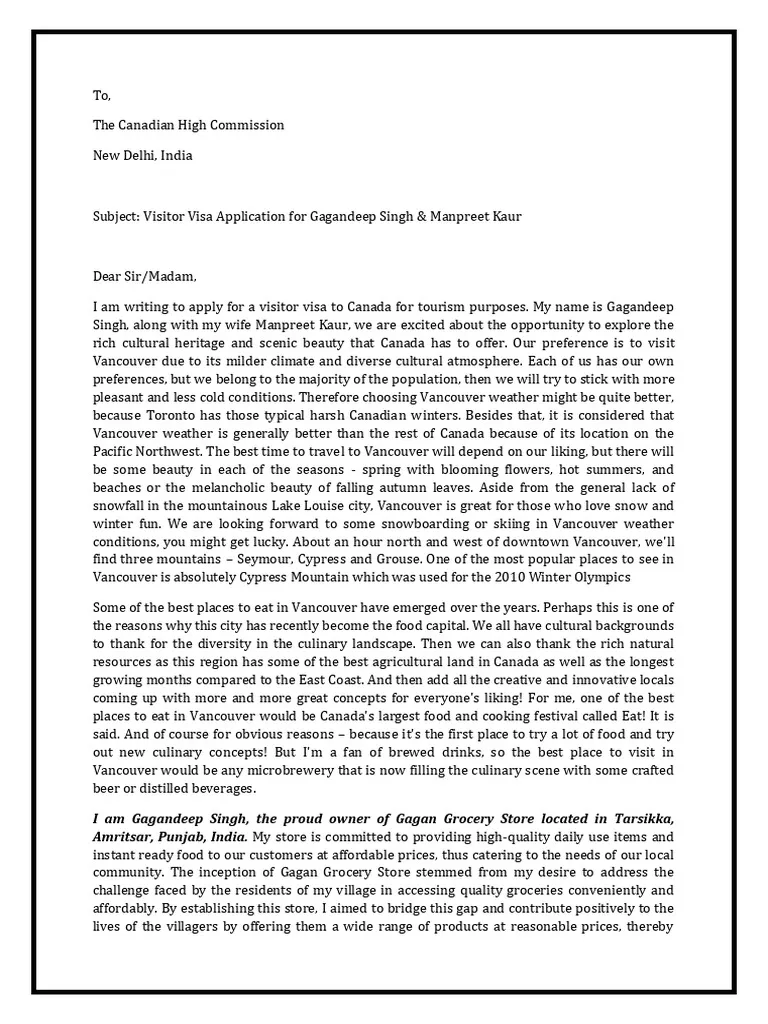
Understanding the Canadian Cover Letter
A cover letter in Canada is more than just a formality; it’s your first chance to make a positive impression on a potential employer. It’s a personalized introduction, a showcase of your relevant skills and experience, and a demonstration of your genuine interest in the specific job and the company. Unlike a resume, which provides a factual overview of your background, a cover letter allows you to elaborate on your qualifications, explain how they align with the job requirements, and highlight your personality. A well-crafted Canadian cover letter can significantly increase your chances of securing an interview, setting you apart from other applicants and demonstrating your understanding of the Canadian job market and professional norms. It’s a crucial part of the job application process in Canada.
Key Components of a Cover Letter in Canada
A strong Canadian cover letter follows a standard format to ensure clarity and professionalism. Each component plays a vital role in communicating your qualifications effectively. Understanding the key elements—contact information, date, recipient details, salutation, body paragraphs, closing, and signature—is essential for creating a compelling letter. By paying close attention to these components and tailoring them to each specific job, you can maximize the impact of your cover letter and increase your chances of getting noticed by hiring managers in Canada. Proper formatting, clarity, and a professional tone will greatly assist you in writing a stellar cover letter.
Contact Information

At the top of your cover letter, include your contact details. This typically includes your full name, phone number, email address, and sometimes your LinkedIn profile URL. Ensure that your email address is professional. The goal is to make it easy for the employer to reach you if they decide to offer you an interview. Double-check that all information is accurate and up-to-date. Proper contact information ensures employers know how to reach you and it shows attention to detail, a highly desirable trait for all candidates.
Date
Below your contact information, include the date you are writing the letter. This shows when the letter was written and provides a timeframe. Use the standard date format (Month Day, Year). This adds to the professionalism of the letter and helps the hiring manager keep track of the application’s submission. Always include the current date to demonstrate your attention to the application and your awareness of the job posting.
Employer’s Information
Address your cover letter to the hiring manager if possible. Research the company and find the name and title of the person responsible for hiring. If the name isn’t available, address the letter to the hiring manager or the recruitment team. Including the company name and address shows that you’ve taken the time to research the organization, and this immediately presents you as a highly qualified candidate. Correctly addressing the letter demonstrates your attention to detail and initiative, qualities that are valued by employers in Canada.
Salutation

Start your cover letter with a professional salutation. “Dear Mr./Ms./Mx. Last Name” is standard. If you don’t know the hiring manager’s name, use “Dear Hiring Manager” or “Dear [Company Name] Recruitment Team.” Avoid generic greetings like “To Whom It May Concern,” as they show a lack of effort. Using the correct salutation creates a positive first impression and helps set the tone for the rest of the letter. This personal touch immediately increases the chances of the cover letter being read.
Writing the Body of Your Canadian Cover Letter
The body of your cover letter is where you showcase your skills, experience, and interest in the job. This is where you can highlight your accomplishments and tailor your application to the specific requirements of the role. The most important aspect of writing the body of the letter is ensuring that the content directly addresses the job description. The most effective Canadian cover letters are comprised of several well-structured paragraphs each addressing a specific point or goal. The body of the cover letter should have a clear and concise narrative that provides an overview of the main qualifications.
First Paragraph
In your first paragraph, state the position you are applying for and how you learned about it. Briefly mention where you saw the job posting (e.g., LinkedIn, company website, job board). Then, immediately capture the reader’s attention by stating your most relevant qualification or the value you can bring to the company. This sets the tone and grabs the reader’s attention from the beginning. Mentioning where you found the job posting helps the employer to know where to find the candidates. Providing a strong opening quickly demonstrates your understanding of the application process.
Second Paragraph

The second paragraph is where you elaborate on your most significant accomplishments and skills relevant to the job. Use the job description to identify key requirements and demonstrate how your experience aligns with these. Provide specific examples and quantifiable results whenever possible. This shows the employer that you have the skills they are looking for. The second paragraph should provide specific evidence of your abilities, showing the hiring manager that you can meet the needs of the position.
Third Paragraph
In the third paragraph, express your interest in the company and explain why you are a good fit. Research the company and mention specific aspects that appeal to you, such as their values, mission, or recent projects. Show that you have a genuine interest and understand the company’s goals. Conclude by summarizing your key strengths and reiterating your enthusiasm for the position. This also offers a chance to reinforce your qualifications and reiterate your interest. Including this shows the employer your interest in joining their company.
The Closing of Your Cover Letter in Canada
The closing of your cover letter is an opportunity to wrap up professionally and reiterate your interest in the position. It should be concise and leave a lasting positive impression. A strong closing will ensure that your application stands out and that you get the employer to consider you for an interview.
Complimentary Close

Use a professional complimentary close, such as “Sincerely,” “Best regards,” or “Yours sincerely.” Avoid overly casual closings. Choose the closing that best suits the tone of your letter. This final phrase should be professional and polite, ending the letter with a positive note. Choosing an appropriate closing reflects professionalism, helping to maintain a positive impression on the employer.
Signature
Below the complimentary close, leave a few lines for your handwritten signature. If you’re submitting a digital cover letter, type your name below the closing. Ensure your name is clearly visible. Including a signature provides a personal touch and affirms that you’re the person submitting the application. If the application is digital, a typed name is sufficient.
Formatting Your Canadian Cover Letter
Proper formatting is essential for making your cover letter easy to read and visually appealing. This includes selecting a professional font, setting appropriate margins, and using consistent spacing. Good formatting shows your attention to detail and helps your letter stand out. By following the best practices for formatting, your cover letter will be easier for the hiring manager to read and more likely to receive a positive response.
Font and Font Size

Choose a professional and easy-to-read font, such as Times New Roman, Arial, Calibri, or Helvetica. Use a font size between 10 and 12 points. Ensure the font is consistent throughout the entire cover letter. A clear and readable font makes your cover letter more accessible and professional, enhancing its overall impact. Using a standard font shows a level of professionalism and helps the hiring manager read the content.
Margins and Spacing
Set margins to one inch on all sides. Use single-spacing within paragraphs and double-spacing between paragraphs. This allows the hiring manager to read the text in a clear manner. Consistent spacing makes your letter neat and visually appealing, making it easier for the reader to stay focused on your content. Ensure consistent spacing so the letter is well-organized and easy to read.
Proofreading and Editing Your Cover Letter
Proofreading and editing are critical steps to ensure your cover letter is free of errors. Review your letter multiple times for grammar, spelling, and punctuation mistakes. Ask a friend or family member to proofread it as well. A polished cover letter showcases your attention to detail and professionalism. A cover letter free from errors can improve your chances of getting a job. Proofreading your cover letter prevents any potential negative impressions from being sent to a hiring manager.
Common Mistakes to Avoid in a Canadian Cover Letter

Certain mistakes can significantly reduce your chances of getting an interview. Avoid generic cover letters that are not tailored to the specific job. Always research the company and tailor the letter to the role’s requirements. Using the wrong salutation can reflect a lack of attention to detail. Typos, grammatical errors, and a lack of detail about your skills are also big red flags. Make sure the language is professional. Avoiding these common errors greatly improves your chance of getting noticed by hiring managers.
Tailoring Your Cover Letter for Each Job
Customizing your cover letter for each job is crucial for demonstrating your genuine interest and relevance to the role. Start by carefully reading the job description and identifying the key skills and qualifications that the employer is seeking. Then, tailor your cover letter to specifically address these requirements, highlighting your relevant experience and accomplishments. This demonstrates your understanding of the job and the company’s needs. Including specific details related to the particular job increases your likelihood of an interview.
Using Keywords Effectively
Incorporate keywords from the job description into your cover letter. This helps the hiring manager quickly see how your skills align with their needs. Use these keywords naturally throughout your letter, especially when describing your skills and experience. Focus on the most important keywords. By using the key terms mentioned in the job descriptions, you are showing the hiring manager that you fit the job requirements. This method helps to show the employer that you are fit for the job.
Cover Letter Examples for Canada
Reviewing examples can provide valuable insights into formatting, tone, and content. There are numerous examples available online. These examples can provide practical tips to make your cover letter successful. Looking at examples of Canadian cover letters will help you understand how they are written. Using examples and tailoring them will help you learn to write your own cover letter.
Entry-Level Cover Letter Example
An entry-level cover letter showcases a candidate’s skills, education, and any relevant internships or volunteer experience. It should highlight transferable skills such as communication, teamwork, and problem-solving. The goal is to demonstrate eagerness to learn and contribute to the company. By focusing on these qualities, the candidate shows their ability to grow and succeed in the role. Focusing on transferable skills and eagerness to learn can help someone get their foot in the door. This is the best method for entry-level candidates to secure an interview.
Experienced Professional Cover Letter Example
Experienced professionals should emphasize their accomplishments, quantify their results, and showcase their leadership skills. They should use specific examples to demonstrate their expertise and highlight how they have contributed to previous companies. This will help to show their value to the organization. The cover letter should showcase proven experience and a track record of success. Experienced professionals should use previous job descriptions to find the necessary keywords to include.