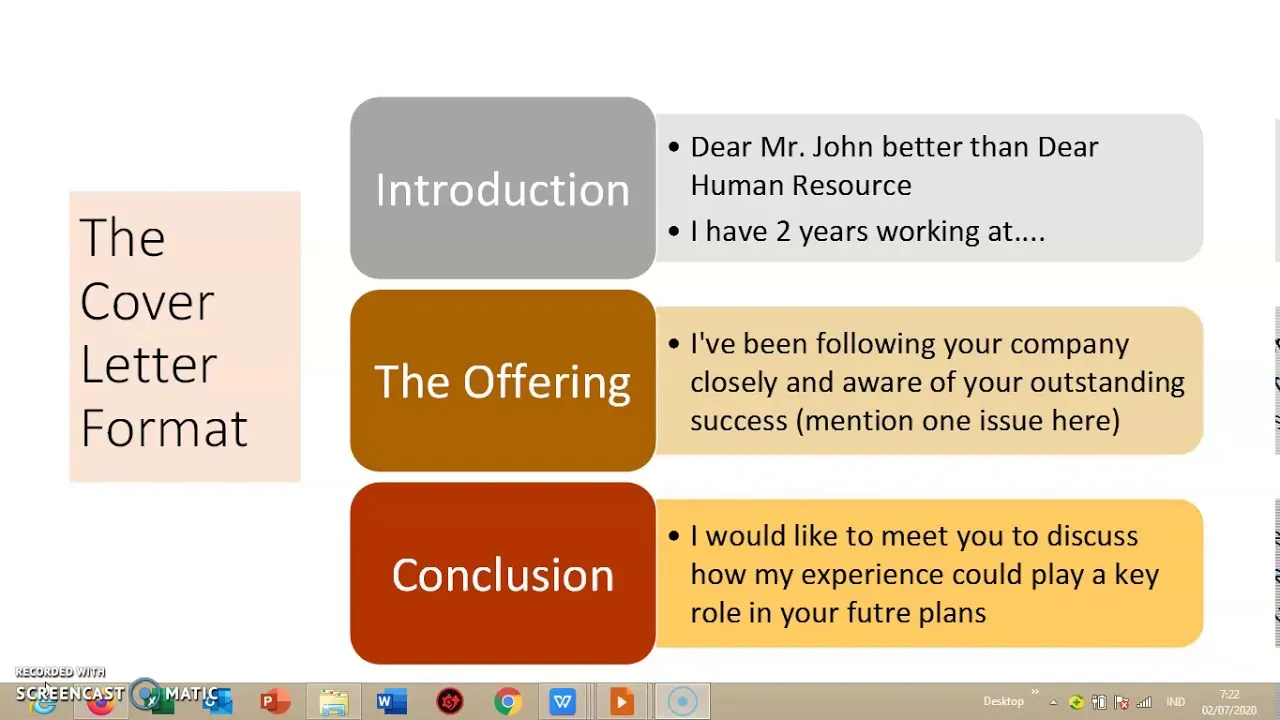
What is a Cover Letter
A cover letter is a one-page document you submit with your resume when applying for a job. It serves as an introduction, a way to highlight your key skills and experiences, and a chance to express your enthusiasm for the position and the company. Unlike a resume, which is a factual summary of your qualifications, a cover letter allows you to personalize your application and explain why you’re a good fit for the specific role. It gives you an opportunity to connect your skills to the job description and demonstrate your understanding of the company’s needs. A well-written cover letter can significantly increase your chances of getting an interview.
Why is a Cover Letter Important
In today’s competitive job market, a cover letter is crucial for several reasons. First, it allows you to personalize your application. You can tailor your letter to the specific job and company, showing that you’ve done your research and are genuinely interested in the opportunity. Second, it provides context. While your resume lists your skills and experience, a cover letter explains how those qualifications align with the job requirements. It allows you to connect the dots for the hiring manager. Third, it showcases your writing skills. A well-written cover letter demonstrates your ability to communicate effectively, which is a valuable asset in most professional roles. Finally, it gives you a competitive edge. Many candidates don’t bother with cover letters, so submitting a strong one can make you stand out from the crowd. It shows you are serious about this job
Step-by-Step Guide How to Write a Cover Letter Quickly

Writing a cover letter doesn’t have to be a daunting task. With a clear step-by-step approach, you can create a compelling letter quickly and efficiently. The key is to break down the process into manageable chunks, focusing on each element to craft a professional and effective document. Following these steps will give you a solid foundation and the ability to create a cover letter that grabs the hiring manager’s attention and gets you closer to landing your dream job. Remember to customize each letter for the specific role you’re applying for, and showcase your best qualities.
Formatting Your Cover Letter
Formatting your cover letter correctly is just as important as the content. Proper formatting ensures your letter is easy to read and visually appealing. Use a professional font, such as Times New Roman, Arial, or Calibri, and keep the font size between 10 and 12 points. Use single-space within paragraphs and double-space between paragraphs. Maintain 1-inch margins on all sides of the document. Align your text to the left, as justified text can be harder to read. The structure of your cover letter should be clear, with distinct sections for the header, greeting, opening, body paragraphs, closing, and signature. This structure will help guide the reader through your qualifications.
Header and Contact Information
The header of your cover letter should include your name, address, phone number, and email address. Make sure your email address is professional. If you have a LinkedIn profile, include the URL. The header should be placed at the top left corner of the page. Below your contact information, include the date, and then the hiring manager’s name, title, and the company’s name and address. If you don’t know the hiring manager’s name, do some research or use a general greeting like ‘Dear Hiring Manager’. Proper header formatting sets the tone for professionalism and ensures the hiring manager can easily contact you.
Greeting Your Recipient

The greeting is the first thing the hiring manager will read, so make it count. Whenever possible, address the hiring manager by name. Research the company website or LinkedIn to find the correct person’s name and title. A personalized greeting shows you’ve taken the time to do your research and are genuinely interested in the position. If you can’t find a specific name, use a professional greeting such as ‘Dear Hiring Manager’ or ‘Dear [Company Name] Hiring Team’. Avoid generic greetings such as ‘To Whom It May Concern,’ as they can make your letter feel impersonal. Always double-check the spelling of the name and title to show your attention to detail.
Opening Paragraph Grab Attention
The opening paragraph is your chance to grab the hiring manager’s attention. Start with a strong statement that highlights your interest in the position and the company. Briefly mention where you saw the job posting and express your enthusiasm for the role. Clearly state the specific position you are applying for and briefly mention a key skill or accomplishment that makes you a strong candidate. Keep the opening concise and focused on making a positive first impression. This paragraph sets the tone for the rest of your cover letter and encourages the hiring manager to continue reading. An engaging opening can capture interest.
Body Paragraph Showcase Skills & Experience
The body paragraphs are where you showcase your skills and experience. Use this section to highlight how your qualifications align with the job requirements. Refer back to the job description and identify the key skills and experiences the employer is looking for. Provide specific examples of your achievements and quantify your results whenever possible. Use the STAR method (Situation, Task, Action, Result) to structure your examples and demonstrate your abilities. Tailor each example to the specific role you’re applying for, and make sure your content is relevant and compelling. This section should show why you are the perfect fit for this job.
Highlighting Key Accomplishments

In the body paragraphs, focus on highlighting your key accomplishments. Instead of simply listing your responsibilities, describe what you achieved in each role. Use action verbs to start your sentences and quantify your results whenever possible. For instance, instead of saying ‘Managed social media accounts,’ say ‘Increased social media engagement by 30% in six months by implementing a new content strategy.’ Provide concrete evidence of your skills and how you contributed to previous employers. This approach makes your qualifications more persuasive and memorable. Show how your accomplishments can be replicated.
Closing Paragraph Call to Action
The closing paragraph should summarize your interest and reiterate your qualifications. Express your enthusiasm for the opportunity to discuss your application further. Thank the hiring manager for their time and consideration. Include a clear call to action, such as stating that you look forward to hearing from them soon or that you are available for an interview. Reiterate your contact information in case the hiring manager wants to get in touch with you immediately. End with a professional closing such as ‘Sincerely’ or ‘Best regards,’ followed by your typed name. This is your final chance to leave a positive impression.
Proofreading and Editing
Before submitting your cover letter, proofread and edit it carefully. Check for any grammatical errors, spelling mistakes, and typos. Ensure your sentences are clear and concise. Read your cover letter aloud to catch any awkward phrasing or repetitive language. Have a friend or colleague review your cover letter to get a second opinion. A well-proofread cover letter demonstrates your attention to detail and professionalism. Ensure your document is free of errors before sending. It can make or break your application and could be the deciding factor.
Cover Letter Mistakes to Avoid

Avoid common cover letter mistakes to increase your chances of success. Don’t use generic templates; always customize your letter for each job. Avoid using jargon or overly complex language. Keep your tone positive and enthusiastic. Don’t simply repeat your resume; instead, elaborate on your skills and experiences. Avoid grammatical errors and typos. Don’t include irrelevant information or personal details that could distract from your qualifications. Make sure your cover letter is well-formatted, easy to read, and tailored to the specific job and company. Avoiding these mistakes will help you create a professional, impactful cover letter.
In conclusion, writing a compelling cover letter doesn’t have to be a daunting task. By following these step-by-step guidelines, you can create a professional and effective cover letter that highlights your skills and experience and sets you apart from the competition. Remember to tailor each letter to the specific job you’re applying for and to showcase your enthusiasm for the opportunity. Proper formatting, proofreading, and a strong opening and closing are critical elements. By avoiding common mistakes and focusing on the key aspects of cover letter writing, you can significantly increase your chances of landing an interview and ultimately, your dream job. Good luck with your job search!