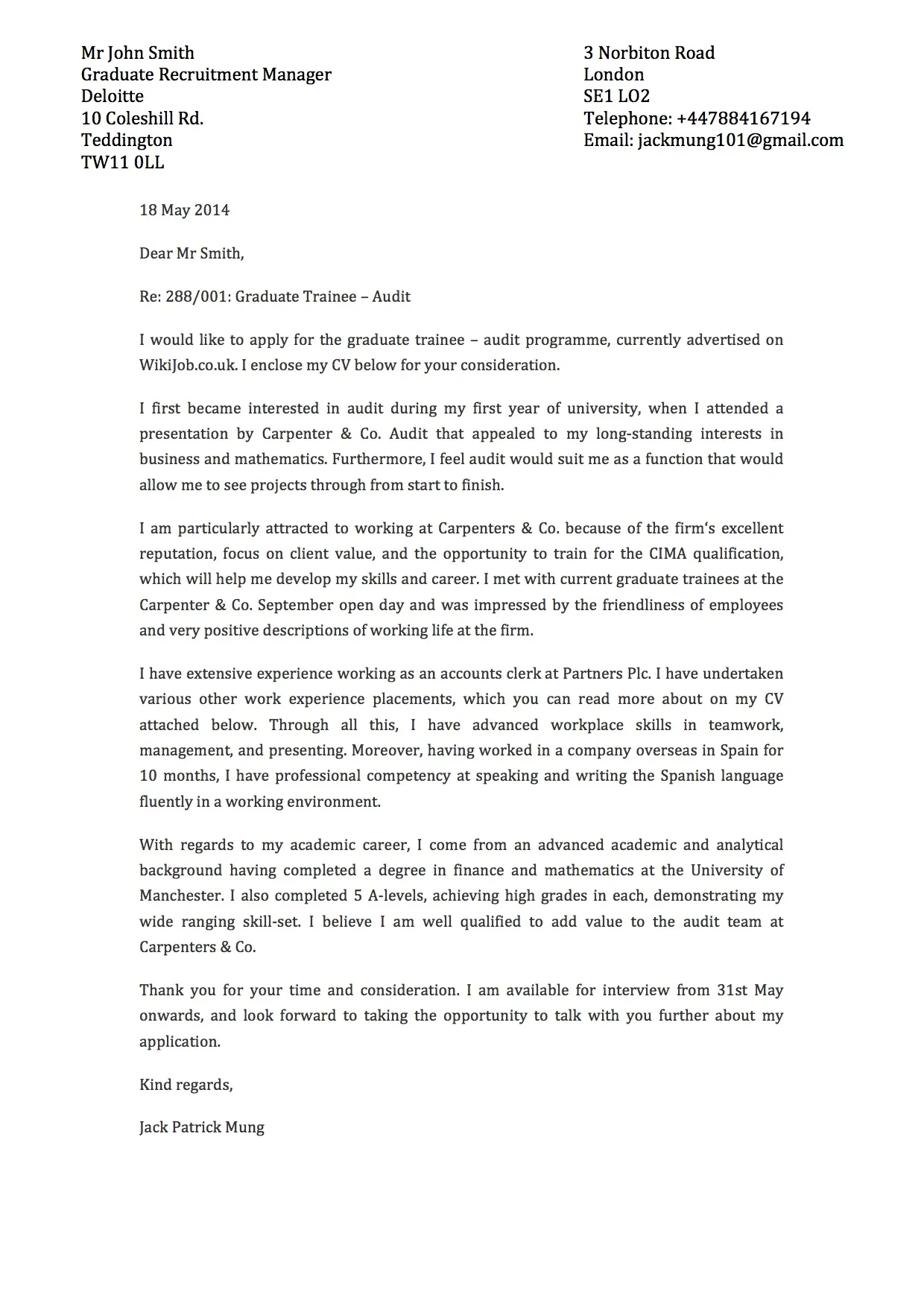
What is a Cover Letter and Why You Need One
A cover letter is your first introduction to a potential employer, serving as a crucial companion to your resume. It provides a space to highlight your key skills, experiences, and personality, demonstrating why you are the perfect fit for the job. While a resume offers a snapshot of your qualifications, a cover letter allows you to expand on those points, providing context and showcasing your communication skills. In the competitive job market, a well-crafted cover letter can significantly increase your chances of landing an interview. It gives you the opportunity to demonstrate your genuine interest in the company and the specific role, setting you apart from other applicants.
Essential Components of a Cover Letter
Every effective cover letter comprises several essential elements, working together to create a compelling application. These components include your contact information, the hiring manager’s contact details, a strong opening, a section highlighting your skills and experience, tailored content to the job description, and a clear expression of your enthusiasm and interest in the role. Each part plays a vital role in showcasing your suitability for the position, demonstrating your attention to detail, and convincing the employer to learn more about you.
Your Contact Information

Begin your cover letter by including your contact information at the top. This typically includes your full name, phone number, email address, and optionally, your LinkedIn profile URL or personal website. Ensure that the information is accurate and easy to read. Using a professional-looking email address is essential; avoid using nicknames or informal email addresses. This section should be clearly formatted to stand out at the top of the document for easy reference.
The Hiring Manager’s Contact Information
If possible, address your cover letter to a specific person, usually the hiring manager. This shows you’ve taken the time to research the company and role. Find the hiring manager’s name on the company website, LinkedIn, or the job posting. Include their full name, title, the company name, and address. If you are unable to find the hiring manager’s name, use a general greeting like “Dear Hiring Manager.” Addressing the letter to a specific person makes your application feel more personalized and demonstrates your interest in the company and the position.
A Strong Opening [Grab Their Attention]
The opening paragraph of your cover letter is your chance to grab the reader’s attention. Avoid generic phrases like “I am writing to apply for the position…” Instead, start with a compelling statement that showcases your enthusiasm for the role or the company. You might mention a specific accomplishment, a skill directly related to the job, or a mutual connection if you have one. The aim is to make the hiring manager want to read the rest of your letter. A strong opening quickly establishes your purpose and sets the tone for the rest of your application.
Highlighting Your Skills and Experience

The main body of your cover letter is where you showcase your skills and experience, highlighting those that align with the job requirements. Provide specific examples of how you’ve successfully used these skills in the past. Use the job description as a guide and address the key qualifications and responsibilities outlined. Focus on your achievements rather than just listing your duties. Use quantifiable results whenever possible. This section is where you demonstrate your value to the company and prove that you’re a good fit for the role. Be sure to use action verbs to describe your accomplishments.
Tailoring Your Letter to the Job Description
Every cover letter should be customized to the specific job you’re applying for. Review the job description carefully and identify the key skills and qualifications the employer is seeking. Then, tailor your letter to address these requirements directly. Explain how your experience and skills align with the needs of the role, providing concrete examples. This demonstrates that you have taken the time to understand the position and are serious about your application. Avoid sending generic cover letters; personalize each one to showcase your genuine interest and suitability for the specific job.
Quantifying Your Achievements
Instead of merely stating your responsibilities, quantify your achievements whenever possible. Use numbers and data to demonstrate the impact you’ve made in previous roles. For example, instead of saying, “Managed social media accounts,” write “Increased social media engagement by 30% in six months.” Quantifiable achievements are more impactful and give the hiring manager a clear understanding of your value. This approach highlights your ability to deliver results and makes your application more compelling.
Expressing Enthusiasm and Interest

Conclude your cover letter by expressing your enthusiasm for the opportunity and your genuine interest in the company. Mention why you’re excited about the role and what you hope to achieve. Reiterate your interest in an interview and thank the hiring manager for their time and consideration. This final impression leaves a positive note and reinforces your desire for the position. Demonstrate your passion, and highlight what you can contribute to the company.
Proper Cover Letter Formatting
Proper formatting enhances readability and makes your cover letter professional. Ensure that your letter is well-organized, easy to read, and visually appealing. Correct formatting showcases your attention to detail and professionalism, making your application stand out. Consistent formatting throughout the document and throughout all your job application documents is important for creating a professional and polished presentation.
Font and Readability
Choose a professional and readable font such as Times New Roman, Arial, or Calibri. Use a font size between 10 and 12 points for body text. Ensure your letter is easy on the eyes by using ample white space, clear headings, and consistent formatting. Avoid using overly decorative fonts or fonts that are difficult to read. The goal is to present your information in a clear, concise, and professional manner.
Paragraph Structure and Length

Keep paragraphs concise and to the point, ideally no more than five sentences each. Use short paragraphs to break up the text and improve readability. Avoid long, dense blocks of text that can overwhelm the reader. Your cover letter should generally be no longer than one page. Brevity is key; focus on the most relevant information and make it easy for the hiring manager to grasp your key qualifications and interest in the role.
Proofreading and Editing
Thorough proofreading and editing are essential to avoid errors that can undermine your credibility. Check for grammar, spelling, punctuation, and formatting mistakes. Read the letter aloud to catch any awkward phrasing or typos. Consider having a friend, family member, or career advisor review your cover letter for you. A polished and error-free cover letter demonstrates your professionalism and attention to detail.
Common Cover Letter Mistakes to Avoid
Certain mistakes can significantly diminish the effectiveness of your cover letter. Avoid these common errors to make a positive impression on the hiring manager. Addressing these common pitfalls will greatly increase your chances of getting noticed and invited for an interview.
Generic Greetings

Avoid using generic greetings like “To Whom It May Concern.” Instead, research the hiring manager’s name and address the letter to them directly. Personalizing your greeting shows that you have taken the time to research the company and are genuinely interested in the role. If you cannot find a specific name, use a professional alternative such as “Dear Hiring Manager.” This small detail can make a big difference in how your application is perceived.
Focusing on “I” Instead of “You”
While it is important to discuss your skills and experience, avoid making your cover letter all about yourself. Instead, focus on how your skills and experience can benefit the company and meet their needs. Shift the focus from “I” to “you” by explaining how you can solve their problems and contribute to their success. Highlight what you can offer the company and demonstrate your understanding of their goals and challenges.
Typos and Grammatical Errors
Typos and grammatical errors can make your cover letter appear unprofessional and careless. Always proofread your letter carefully before submitting it. Use spell-check and grammar-check tools, but also read the letter aloud to catch any errors that these tools might miss. Have someone else review your letter as a fresh pair of eyes can often spot mistakes you might miss. A polished and error-free cover letter reflects positively on your attention to detail and professionalism.
The Final Touches [Before Sending]

Before submitting your cover letter, take a few final steps to ensure your application is ready. These final steps can make the difference between getting an interview and getting rejected. Ensure that everything is perfect before sending.
Reviewing and Refining
Review your cover letter one last time, paying close attention to the language, content, and formatting. Ensure that the information is accurate and that your skills and experience are presented effectively. Check that your letter is tailored to the specific job description and highlights the key requirements. Making sure you’ve made no mistakes shows that you are detail-oriented and professional.
Saving and Submitting Your Cover Letter
Save your cover letter as a PDF to preserve the formatting and ensure that it opens correctly on any device. When submitting, follow the instructions provided in the job posting. If submitting via email, include a clear subject line such as “Application for [Job Title] - [Your Name].” Attach your cover letter and resume to the email. After submitting, be sure to follow up if necessary. This will demonstrate your interest and attention to detail, which will increase your chances of getting an interview.