Why a Cover Letter Matters
In today’s competitive job market, a well-crafted cover letter can be your golden ticket to landing an interview. While your resume provides a snapshot of your professional background, a cover letter offers a crucial opportunity to connect with the hiring manager on a more personal level, showcasing your personality, passion, and how your skills align with the specific job requirements. It’s your chance to go beyond the facts and figures, demonstrating why you’re the perfect fit for the role and the company. Neglecting a cover letter could mean missing out on opportunities, as many employers consider it a key element in the initial screening process. A compelling cover letter can significantly increase your chances of being noticed and selected for an interview.
Cover Letter Components The Essentials
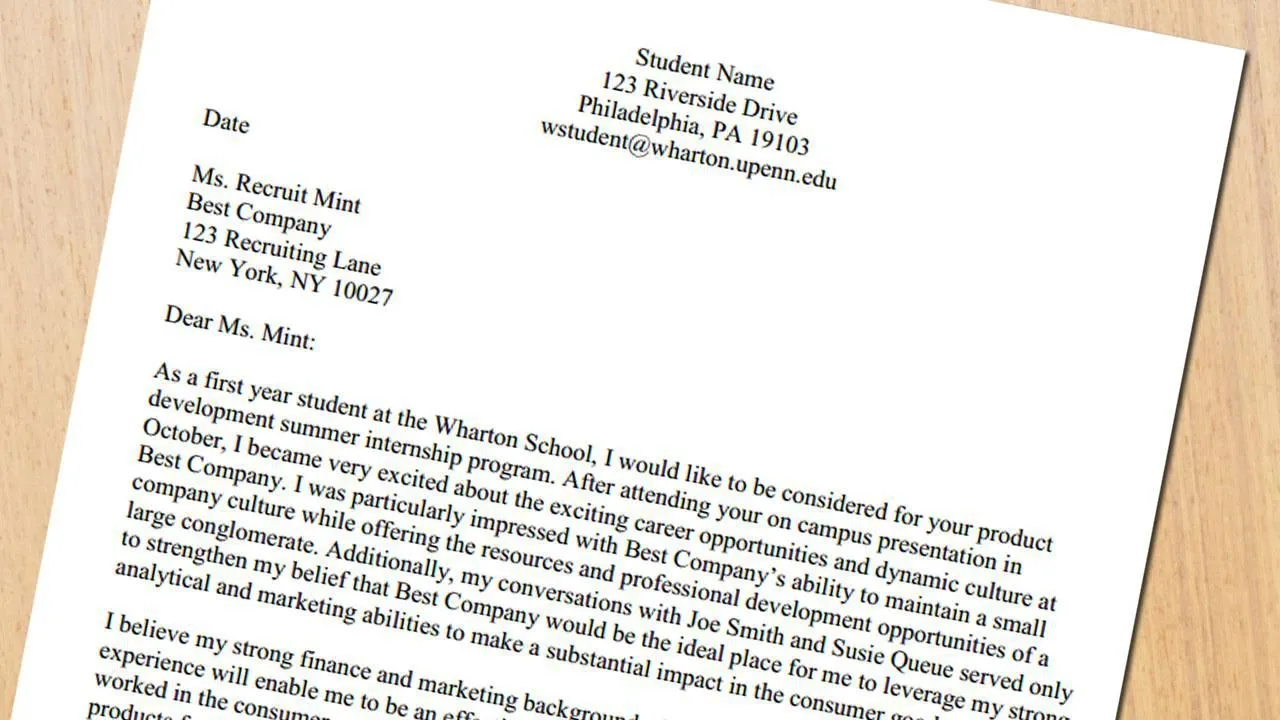
A successful cover letter comprises several key components, each serving a specific purpose in conveying your suitability for the job. Mastering these elements is crucial for creating a persuasive and impactful document. From the professional presentation of your contact information to the compelling closing, every section contributes to the overall impression you make on the hiring manager. Understanding the structure and content of each section is the first step toward crafting a cover letter that sets you apart from the competition and secures you an interview. Let’s delve into the essential parts of a cover letter to make your application stand out.
Contact Information

Your contact information is the first thing the hiring manager will see. It’s essential to make it clear, concise, and easy to read. This section allows the recruiter to quickly reach out to you for an interview. Ensuring accuracy and professionalism in this section sets the tone for the rest of your application. Make sure it’s formatted correctly and includes all necessary details.
Your Name and Contact Details
At the top of your cover letter, include your full name, phone number, and professional email address. Ensure your email address sounds professional; avoid using nicknames or unprofessional language. Consider including a link to your LinkedIn profile, as it allows the recruiter to quickly view your professional history and network. Accuracy is vital; a misplaced digit or an incorrect email address could lead to lost opportunities.
Date and Recipient Information
Below your contact details, include the date and the recipient’s information. If you know the hiring manager’s name, use it to personalize your letter. Address the letter to ‘Mr.’, ‘Ms.’, or ‘Mx.’ followed by their last name. If you are unsure of the name, research the company’s website or LinkedIn to find out. If you can’t find a specific person, use a general greeting like ‘Dear Hiring Manager’.
The Salutation

The salutation sets the tone for your cover letter. Use a professional greeting, such as ‘Dear Mr./Ms. [Last Name],’ if you know the hiring manager’s name. If not, ‘Dear Hiring Manager’ is a suitable alternative. Avoid outdated greetings like ‘To Whom It May Concern.’ The salutation is your first interaction, so make sure to show respect and professionalism from the start. Personalizing the greeting is a good way to show you have done your research.
Crafting a Compelling Opening
Your opening paragraph should immediately grab the reader’s attention. State the position you are applying for and where you found the job listing. Briefly mention why you are interested in the role and the company. Show enthusiasm and express your understanding of the company’s mission or values. You can start with a statement that captures the reader’s attention or highlights a key skill relevant to the job. The goal is to encourage the hiring manager to continue reading. Make it clear you are a strong candidate from the start.
Highlighting Your Skills and Experience
This is where you showcase your relevant skills and experience. Tailor your cover letter to match the job description, highlighting the skills and qualifications that the employer seeks. Use concrete examples to demonstrate how you’ve used these skills in previous roles. Focus on the accomplishments and responsibilities that are most relevant to the position. The goal is to convince the employer that you have the necessary skills and experience to excel in the role. Focus on your abilities to fit the job role.
Matching Skills to Job Requirements

Carefully review the job description and identify the key skills and qualifications the employer is looking for. Then, in your cover letter, provide specific examples of how you’ve demonstrated these skills in previous roles. Use keywords from the job description to show you understand the requirements. Align your experiences with the listed requirements, making it clear how your skills and experience meet the needs of the position. The goal is to make it easy for the hiring manager to see the direct correlation between your qualifications and the job.
Quantifying Achievements
Don’t just list your responsibilities; quantify your achievements. Use numbers, percentages, and specific metrics to illustrate the impact you’ve made in previous roles. For instance, instead of saying ‘Improved customer service,’ say ‘Improved customer satisfaction scores by 15%.’ This approach provides concrete evidence of your abilities and demonstrates the value you can bring to the company. Quantifiable results make your cover letter more compelling and memorable.
Showcasing Your Personality
While your cover letter should be professional, it’s also an opportunity to let your personality shine through. Briefly mention your enthusiasm for the company or the role, and demonstrate how your values align with the company’s mission. Avoid clichés and strive to write in a natural, conversational tone. This helps the hiring manager understand who you are beyond your resume and gives them a sense of your character. It helps to create a personal connection. You can include a short anecdote or a brief comment about what excites you about the opportunity.
The Closing and Call to Action

Your closing paragraph should summarize your interest and reiterate your suitability for the role. It’s the last chance to leave a positive impression. Make sure you express gratitude for the opportunity and clearly indicate your next steps. The closing should be professional, enthusiastic, and forward-looking, making it clear you are eager to move forward in the hiring process. It is your last chance to influence the employer and ensure that you are at the top of the interview list.
Expressing Enthusiasm and Gratitude
Restate your enthusiasm for the role and the company. Thank the hiring manager for their time and consideration. This shows professionalism and respect. Expressing gratitude helps leave a positive lasting impression. It’s a good way to end on a positive note and reinforces your interest in the opportunity.
Professional Closing and Signature
Use a professional closing, such as ‘Sincerely,’ ‘Best regards,’ or ‘Thank you.’ Follow this with your typed name. If you are submitting a hard copy, leave space for your signature above your typed name. Ensure your closing is consistent with the tone of your cover letter. The signature, whether digital or handwritten, adds a personal touch that reinforces your professionalism and attention to detail. This is the final interaction of the cover letter.
Formatting and Proofreading

Formatting and proofreading are crucial to ensure your cover letter looks professional and polished. Sloppy formatting and errors can damage your chances, no matter how strong your qualifications. Proofreading and formatting show your attention to detail and respect for the employer. Always review your letter to create a great first impression.
Font, Margins, and Spacing
Choose a professional and easy-to-read font, such as Times New Roman, Arial, or Calibri. Use a font size between 10 and 12 points. Set standard 1-inch margins on all sides and use single-spacing within paragraphs and double-spacing between paragraphs. These formatting choices ensure your cover letter is visually appealing and easy to read. Clean formatting is essential.
Proofreading for Errors
Proofread your cover letter multiple times for any grammatical errors, typos, or inconsistencies. Use spell-check and grammar-check tools, but also read through your letter manually. Have a friend or family member review your cover letter for errors. Error-free content shows your attention to detail and dedication to quality. A few minutes to edit and review can make a large difference in your application. Careful proofreading is essential to show respect for the hiring manager.
Adapting Your Cover Letter

Every job application is unique, and your cover letter should be tailored to each specific position. A generic cover letter will not make a strong impression. Customizing your cover letter demonstrates your interest and attention to detail and shows the hiring manager you have taken the time to understand their needs and the requirements of the role. This attention is essential to make it past the initial resume screening.
Tailoring to the Specific Job
Carefully review the job description and identify the key skills, qualifications, and experience the employer seeks. Then, in your cover letter, highlight how your skills and experience align with the specific requirements of the job. Provide examples that demonstrate your relevant abilities and accomplishments. Do not use the same cover letter for every application. Be sure to show the employer that you understand their needs and show how you plan to help the company reach its goals.
Using Keywords
Use keywords from the job description throughout your cover letter. This helps applicant tracking systems (ATS) identify your application as a good match for the position. Incorporating keywords also demonstrates your understanding of the role and the company’s needs. While using keywords is important, make sure your cover letter is still readable and natural. Do not stuff the letter with keywords. The balance is important, so the cover letter still reads and flows well.