Cover Letter Essentials What to Include
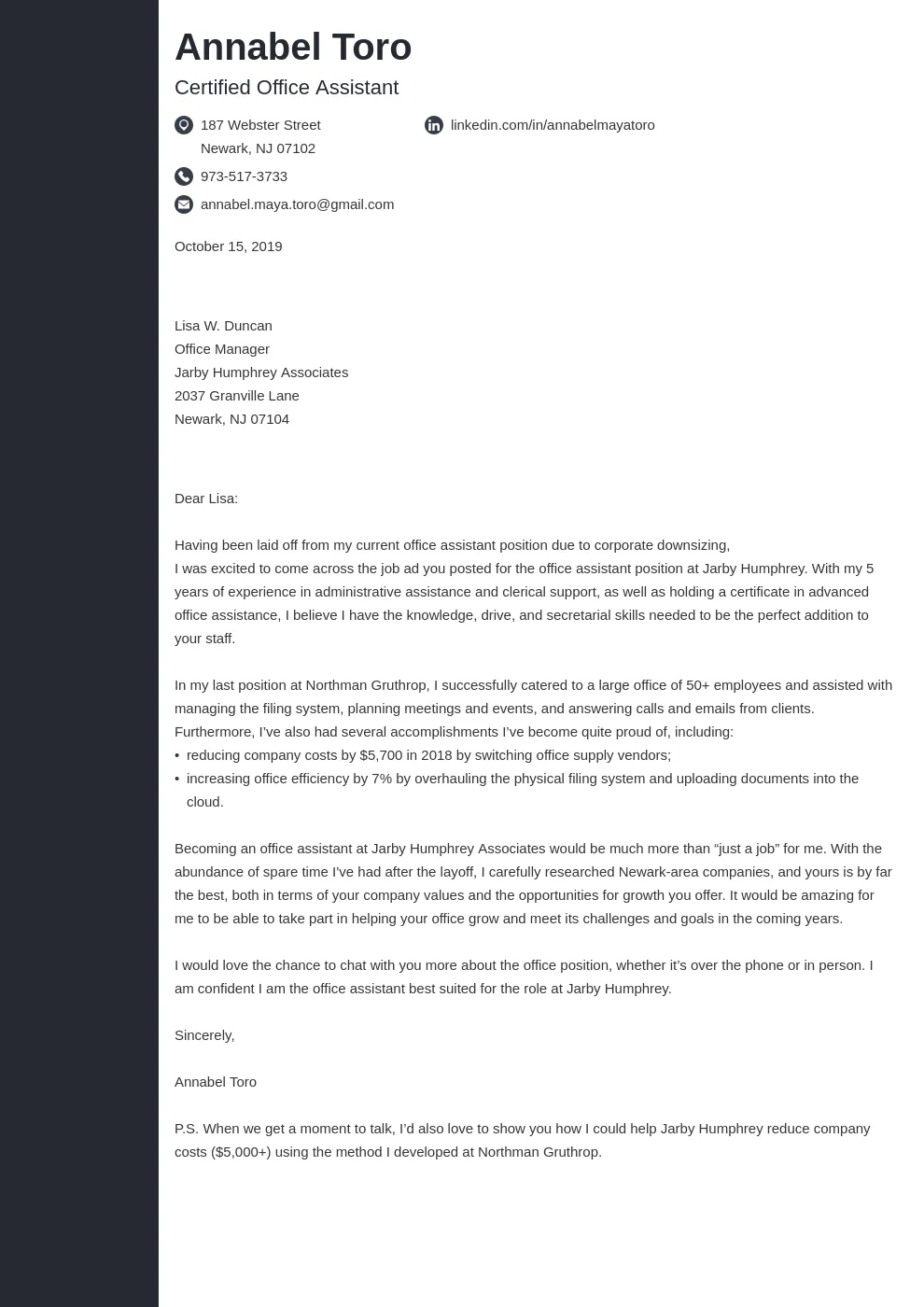
A cover letter is your first opportunity to make a positive impression on a potential employer. It’s a formal introduction that accompanies your resume, providing a snapshot of your skills, experience, and why you’re a good fit for the job. A well-crafted cover letter can significantly increase your chances of getting an interview. It’s not just a formality; it’s a crucial piece of the job application puzzle. Your cover letter should be customized for each position. This shows that you’ve taken the time to understand the company and the specific requirements of the role. A generic letter, on the other hand, is easily spotted and can lead to your application being overlooked. The essential components of a successful cover letter include your contact information, a professional greeting, a compelling body that highlights your qualifications, and a strong closing with a clear call to action.
Contact Information Your First Impression
Begin your cover letter with your contact information. This typically includes your full name, phone number, email address, and possibly your LinkedIn profile URL. Ensure your contact details are accurate and professional. Choose a professional email address; avoid nicknames or unprofessional handles. Place this information at the top of the letter, either left-aligned or centered, making it easy for the hiring manager to reach you. This section sets the tone for the rest of your letter and provides an immediate way for employers to contact you. Your contact information is the gateway to your potential employment, so make sure it’s clear, concise, and easily accessible.
Formatting Matters Making it Readable

Formatting is key to ensuring your cover letter is easy to read and visually appealing. Use a professional font like Arial, Calibri, or Times New Roman, with a font size between 10 and 12 points. Maintain consistent spacing throughout the document, using single-spacing within paragraphs and double-spacing between paragraphs. This creates a clean and organized layout that’s easy on the eyes. Avoid excessive use of bolding, underlining, or italics, as this can distract the reader. Use clear headings and subheadings to break up the text and guide the reader through the letter. A well-formatted cover letter demonstrates attention to detail and professionalism.
Greeting the Hiring Manager
The greeting sets the tone for your entire letter. Whenever possible, address the hiring manager by name. Research the company’s website or use LinkedIn to find the name of the person responsible for hiring. A personalized greeting, such as “Dear Mr. Smith,” shows that you’ve taken the time to do your research and are genuinely interested in the position. If you can’t find a specific name, opt for a professional greeting like “Dear Hiring Manager” or “Dear [Company Name] Hiring Team.” Avoid generic greetings like “To Whom It May Concern,” which can make your letter feel impersonal. Always ensure you spell the name correctly and use the appropriate title (Mr., Ms., Dr., etc.).
Body Paragraphs Showcase Your Value
The body paragraphs are where you highlight your qualifications and demonstrate why you’re the best candidate for the job. This section should be well-structured and persuasive, showcasing your skills and experiences. Focus on the key requirements of the job and explain how your skills align with them. Use specific examples to illustrate your achievements and quantify your results whenever possible. The body of your cover letter should be concise and engaging. Break down the body into 2-3 paragraphs to maintain readability. Your goal is to leave a lasting positive impression and to make the hiring manager excited to consider you for an interview.
First Paragraph Grab Their Attention

The first paragraph is your hook; it needs to grab the reader’s attention immediately. State the position you’re applying for and briefly explain where you saw the job posting. Then, provide a concise overview of your key qualifications or a compelling reason why you’re interested in the company. You could mention something specific about the company that excites you or highlight a relevant achievement that aligns with the job requirements. Aim to make your introduction engaging and memorable, encouraging the hiring manager to continue reading. This initial impression can set the tone for the rest of your application.
Second Paragraph Highlight Achievements
The second paragraph should focus on showcasing your achievements. Choose 2-3 of your most relevant accomplishments and use the STAR method (Situation, Task, Action, Result) to describe them. This method helps you to provide a clear and concise overview of your accomplishments, quantifying your achievements with numbers or data whenever possible. This approach effectively demonstrates how your skills and experiences have delivered tangible results in past roles. By clearly articulating your accomplishments, you provide concrete evidence of your capabilities, making a strong case for why you deserve an interview.
Third Paragraph Connect Skills to Job
In the third paragraph, connect your skills and experiences directly to the job requirements. Review the job description and identify the key skills and qualifications the employer is seeking. Explain how your skills and experiences make you a great fit for the position. Provide specific examples of how you have utilized these skills in the past. Show the hiring manager that you understand the job’s needs and possess the abilities to excel in the role. By emphasizing how your skills align with the job requirements, you make a convincing argument for why you’re the ideal candidate.
Call to Action Encourage Contact

The closing of your cover letter should include a clear call to action. Express your interest in an interview and reiterate your enthusiasm for the position and the company. Make it easy for the hiring manager to contact you by providing your phone number and email address once again. Thank the hiring manager for their time and consideration. Avoid sounding overly demanding or presumptuous; be polite and professional. A strong call to action shows your eagerness to move forward in the hiring process and reinforces your interest in the opportunity.
Closing and Signature
End your cover letter with a professional closing and signature. Use a formal closing such as “Sincerely,” “Best regards,” or “Yours sincerely.” Below your closing, leave space for your handwritten signature, if you are printing your letter. If submitting digitally, simply type your full name below the closing. Ensure your signature is legible and professional. A well-executed closing and signature create a final impression of professionalism and attention to detail.
Tailoring Your Cover Letter
Customizing your cover letter for each job application is essential. Generic cover letters are often quickly dismissed. Take the time to carefully review each job description and tailor your letter to match the specific requirements and keywords. Highlight the skills and experiences that are most relevant to the position. Demonstrate your understanding of the company’s mission and values. By tailoring your letter, you show that you’re truly interested in the specific role and company, increasing your chances of getting an interview.
Research the Company

Before writing your cover letter, thoroughly research the company. Visit their website, review their social media profiles, and read industry news and publications about the company. Understand their mission, values, and recent achievements. This research allows you to tailor your letter to their specific needs and demonstrate your genuine interest in the company. When you can mention specific company projects, initiatives, or values, you make your application more compelling and memorable.
Customize to Each Job
Every job application requires a customized cover letter. Each job description highlights different skills, qualifications, and responsibilities. Highlight the skills and experiences that are most relevant to the specific role. Use the job description as a guide, matching your qualifications to their requirements. Show the hiring manager that you have considered their specific needs. Avoid using a generic template; instead, focus on demonstrating how your skills and experiences align with the job requirements.
Keyword Optimization Use the Right Words
Use relevant keywords from the job description throughout your cover letter. Many companies use Applicant Tracking Systems (ATS) to screen resumes and cover letters. Incorporating the right keywords can improve your chances of passing the initial screening. Carefully read the job description, identifying the key skills and qualifications. Strategically include these keywords in your cover letter, ensuring that your application aligns with the employer’s requirements. However, avoid keyword stuffing; maintain a natural flow and ensure your letter is easy to read.
Proofreading and Editing

Before submitting your cover letter, proofread and edit it meticulously. Errors can make you appear unprofessional and can diminish your chances of being selected for an interview. Check for typos, grammatical errors, and inconsistencies. Read your cover letter aloud to catch any awkward phrasing or sentences that don’t flow well. It’s often helpful to have a friend or colleague review your letter as well, as they may catch errors you’ve overlooked. A polished cover letter shows that you pay attention to detail and take your job application seriously.
Common Cover Letter Mistakes
Avoid common cover letter mistakes to make a positive impression. These errors can undermine your application and can lead to your application being rejected. Familiarizing yourself with these common pitfalls can help you to create a more effective cover letter. By avoiding these mistakes, you’ll significantly increase your chances of getting an interview. Careful attention to detail is important to ensure that your cover letter presents you in the best possible light.
Typos and Grammatical Errors
Typos and grammatical errors are among the most common cover letter mistakes. These errors reflect negatively on your attention to detail and professionalism. Carefully proofread your cover letter multiple times, checking for spelling, punctuation, and grammatical errors. Use a spell-checker and grammar checker, but also read the letter carefully yourself. Reading your letter aloud can often help you to catch mistakes you might miss otherwise. A clean, error-free cover letter demonstrates that you take your job application seriously.
Generic Letters

Submitting a generic cover letter is another common mistake. Generic letters, those not tailored to the specific job or company, can make you appear uninterested. Hiring managers can easily spot generic templates. Make sure to customize your cover letter for each job, highlighting the skills and experiences that are most relevant to the position. Address the hiring manager by name, if possible, and reference specific aspects of the company or job description. A customized letter shows that you have taken the time to understand the role and are genuinely interested in the opportunity.
Ignoring Instructions
Carefully read and follow all instructions in the job posting. Employers often provide specific guidelines for submitting your application. Failure to follow these instructions can signal a lack of attention to detail or disinterest. This could include specific formatting requirements, file types, or information to include in your cover letter. Always adhere to the instructions. If the posting requires a specific file name or to include a certain subject line, make sure to do so. Adhering to these instructions demonstrates that you pay attention to details and are serious about the job.
Length Considerations Keep it Concise
Keep your cover letter concise and to the point. Avoid writing a lengthy letter that might overwhelm the hiring manager. Aim for one page, unless specified otherwise in the job posting. Focus on highlighting your most relevant skills and experiences. Be clear and concise in your writing; avoid long sentences and complex phrasing. Remember, the goal is to provide a snapshot of your qualifications and encourage the hiring manager to read your resume. A concise cover letter is much more likely to capture the reader’s attention.